
Farming Before Agriculture
‘FARMING BEFORE AGRICULTURE’ is a 3-year British Academy funded project, led by Dr Jade Whitlam, that aims to refine our understanding of pre-agricultural management in Western Asia
Established agriculture in western Asia emerged following centuries of experimental plant management and consumption at a local level, as human communities became increasingly sedentary. Understanding how choice and innovation at the scale of individual settlements and lifetimes fed into large-scale shifts in food regimes over millennia is key to disentangling the complex origins of agriculture.
This project will break new ground by combining innovative isotopic and ecological analyses of plant remains with spatial and functional material culture to explore comparatively how communities tended and consumed plants at three recently excavated Early Neolithic sites in Iran and Jordan (10,000–7500 BC). By examining how plant use articulates with different social and ecological parameters, at a local level and through time, this work will identify factors that were key to the establishment of agriculture in western Asia and provide testable models that can be applied to other regions of the world.
The earliest documented crop cultivation in western Asia appears highly varied and locally contingent, as people experimented with plant use as part of diverse socioecological systems. However, the management and consumption strategies involved remain poorly understood.
The Project
To address this, ‘farming before agriculture’ is applying a range of cutting-edge techniques, including stable crop isotope analysis and functional weed ecology, to generate direct evidence for how communities tended and consumed plants.
|
|
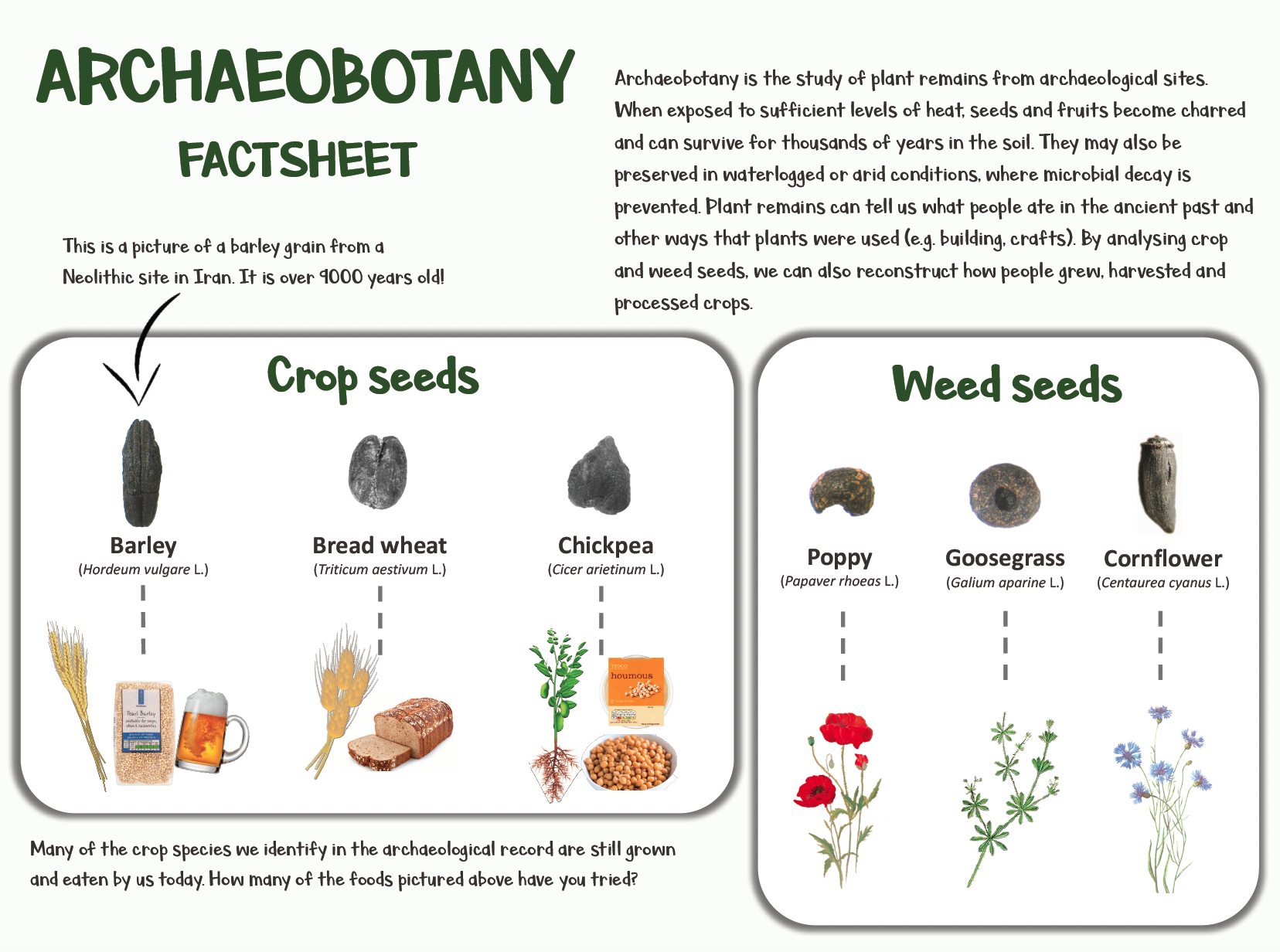
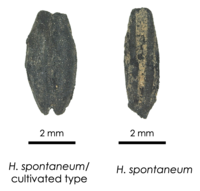
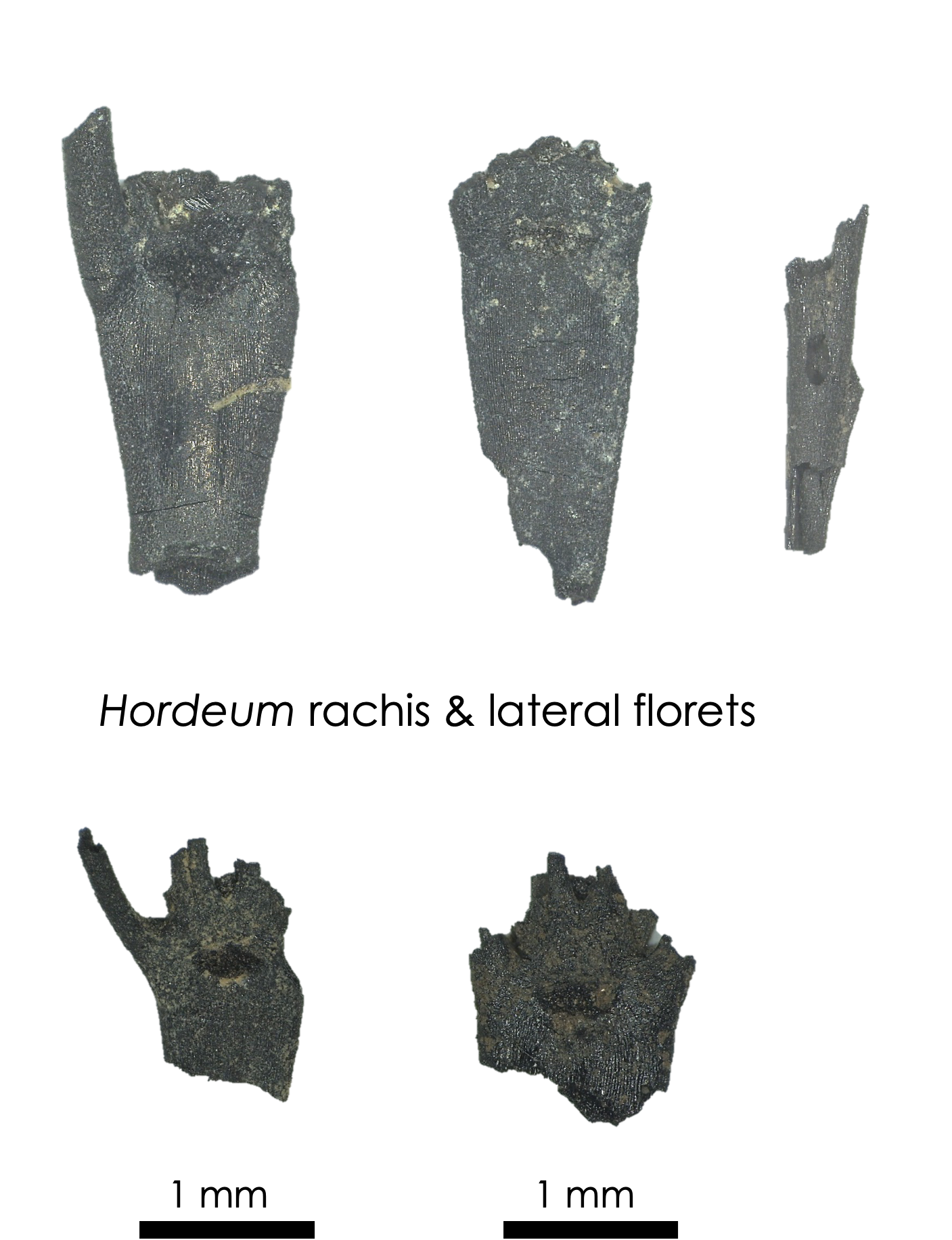
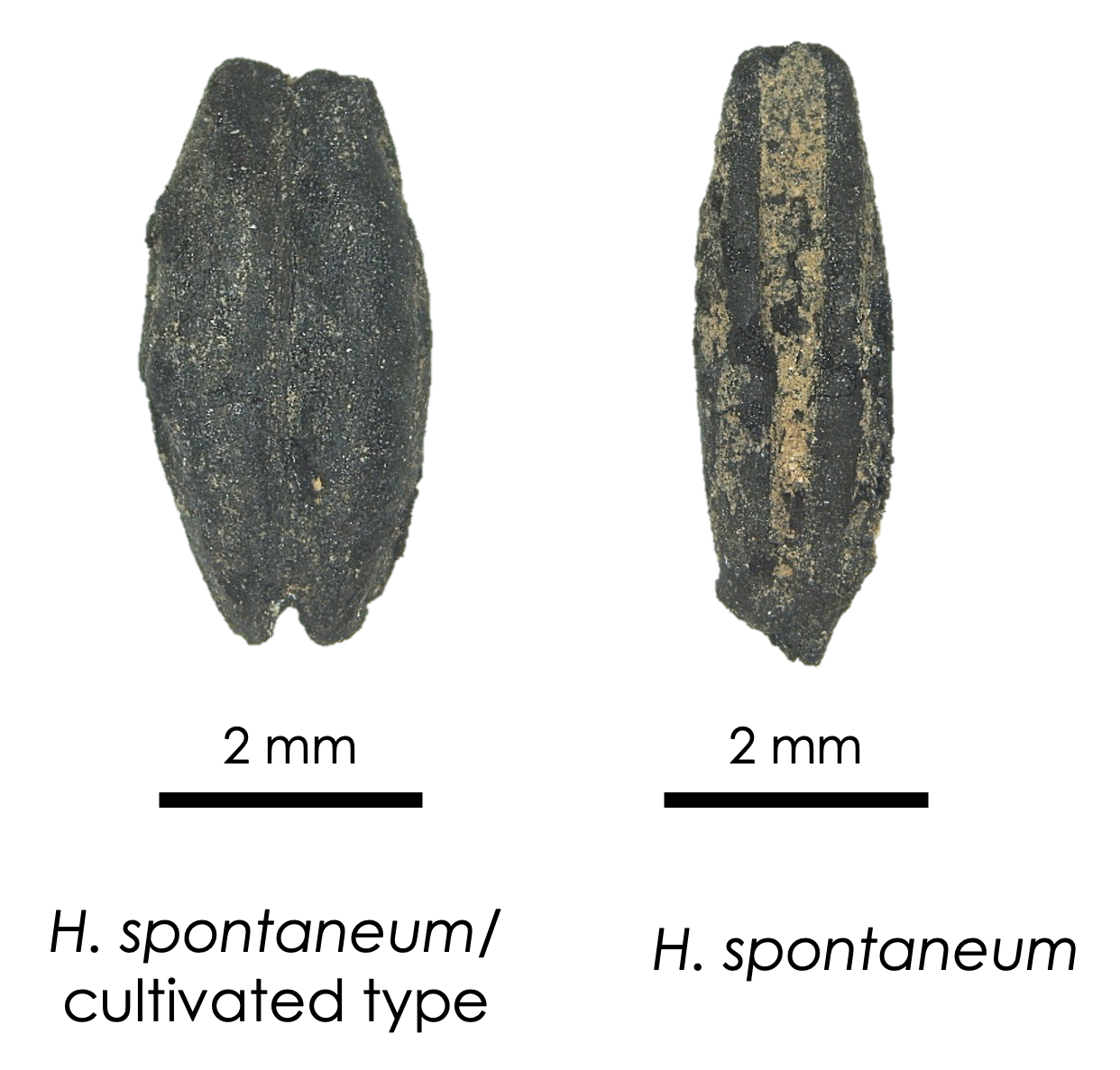
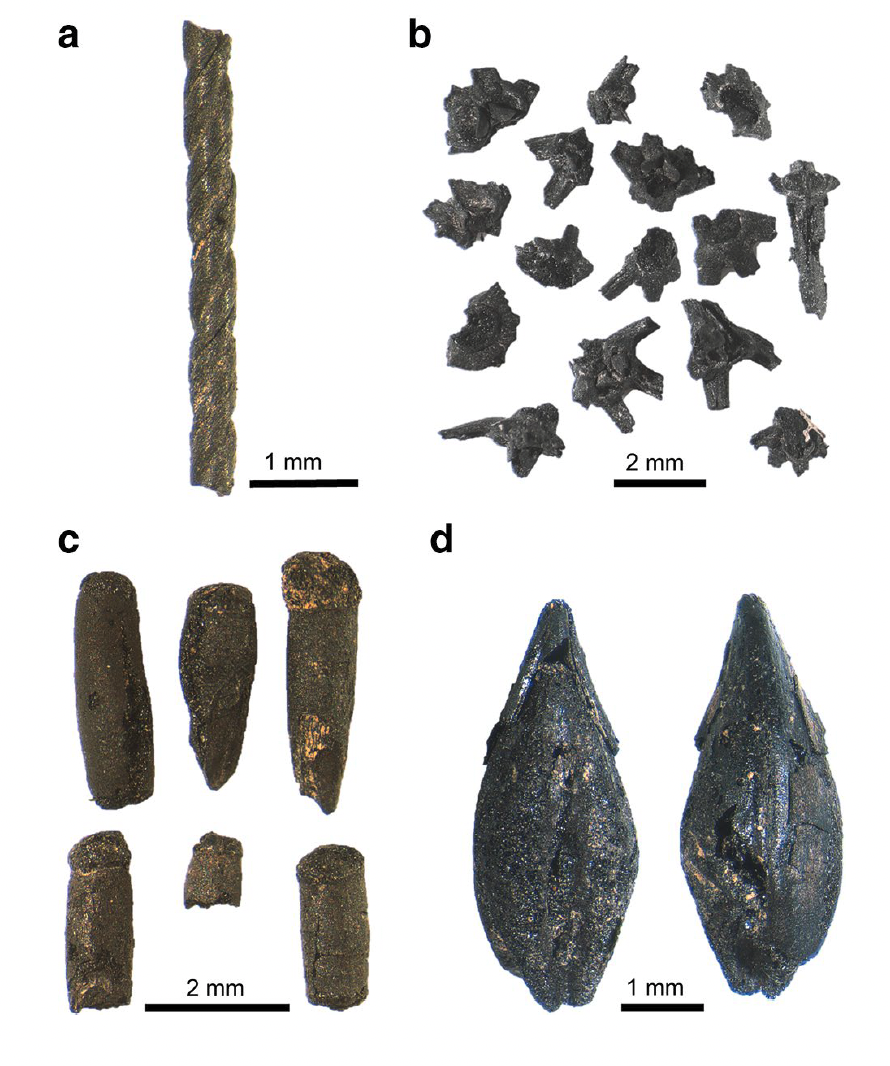
Archaeobotanical analyses: Focusing on charred plant macrofossils, work will refine identifications of taxa to a species level where possible using modern reference material, high-powered microscopy (SEM) and cutting-edge morphometric analyses. This will generate species specific ecological and biological data and thus permit a detailed reconstruction of each site’s local ecosystem and floristic diversity |
|
|
Taphonomic analyses: Evidence from archaeobotanical analyses will be integrated with stratigraphic information and, in conjunction with pattern-searching statistical techniques, will be used to explore variation in the botanical assemblages at each site and elucidate patterns of deposition and plant use. This approach is needed to disentangle the various routes by which plants may have arrived on site and entered the archaeobotanical record (i.e. as food, arable weeds, within animal dung burnt as a fuel) |

|
|
Agroecological analyses: Fine-grained ecological analysis of arable weed floras will be undertaken as a basis for reconstructing potential methods of cultivation and crop husbandry (e.g. harvest height, sowing time, agricultural inputs). This will be achieved through an innovative functional approach and carried out alongside the strategic application of stable crop isotope analysis – carbon and nitrogen – as an indicator of management practices (e.g. watering and middening/manuring) |

Access to primary archaeobotanical assemblages from three key sites in Iran and Jordan provides an unprecedented opportunity to examine and compare the emergence of farming under different conditions, each site having its own unique footprint in terms of its local ecosystem and occupation history. In addition to exceptional levels of botanical preservation, each site also provides a series of useful material correlates through which to examine plant-related social practices (e.g. grinding stones, mortars, storage facilities, lithic tools etc.) as well as faunal data that can inform on links with animal husbandry.

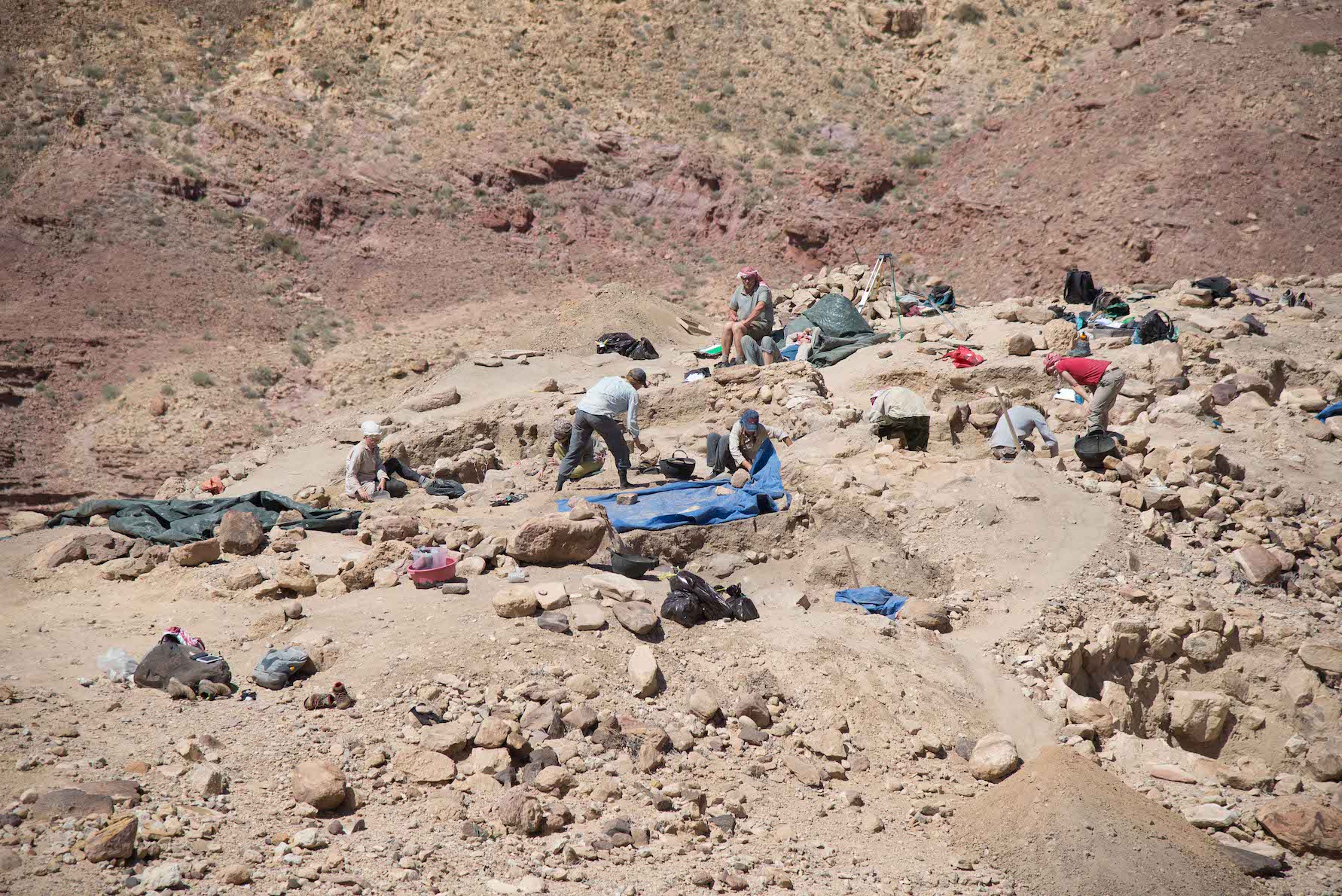
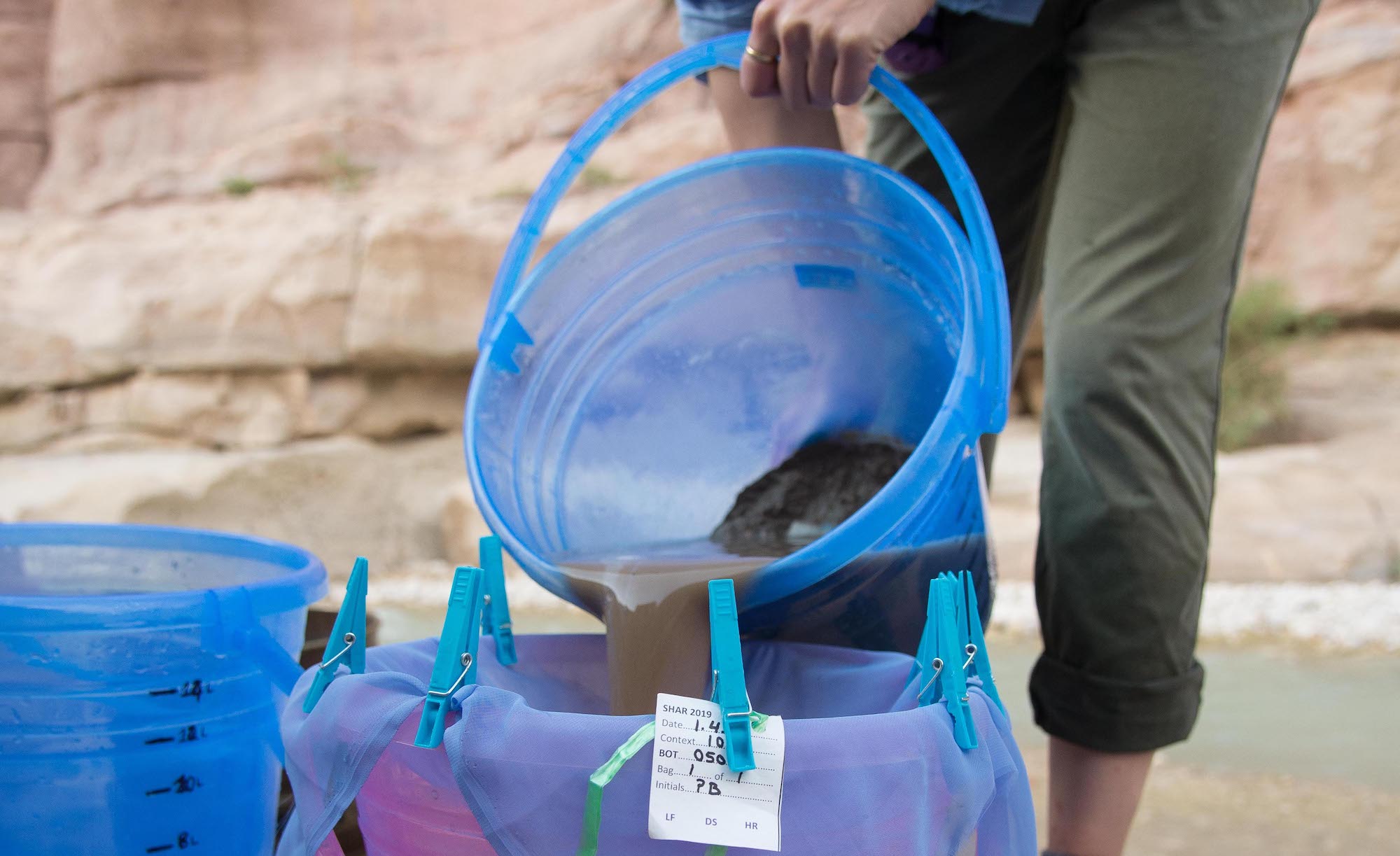
Sharara is a Pre-Pottery Neolithic A (PPNA) settlement located in Wadi el-Hasa, Jordan. The site is located approximately 25 km downstream of the site of el-Hemmeh. Excavations at Sharara are directed by Prof. Cheryl Makarewicz of the Christian-Albrechts University, Kiel and Prof. Bill Finlayson of Oxford Brookes University and the CBRL. Further information can be found here.
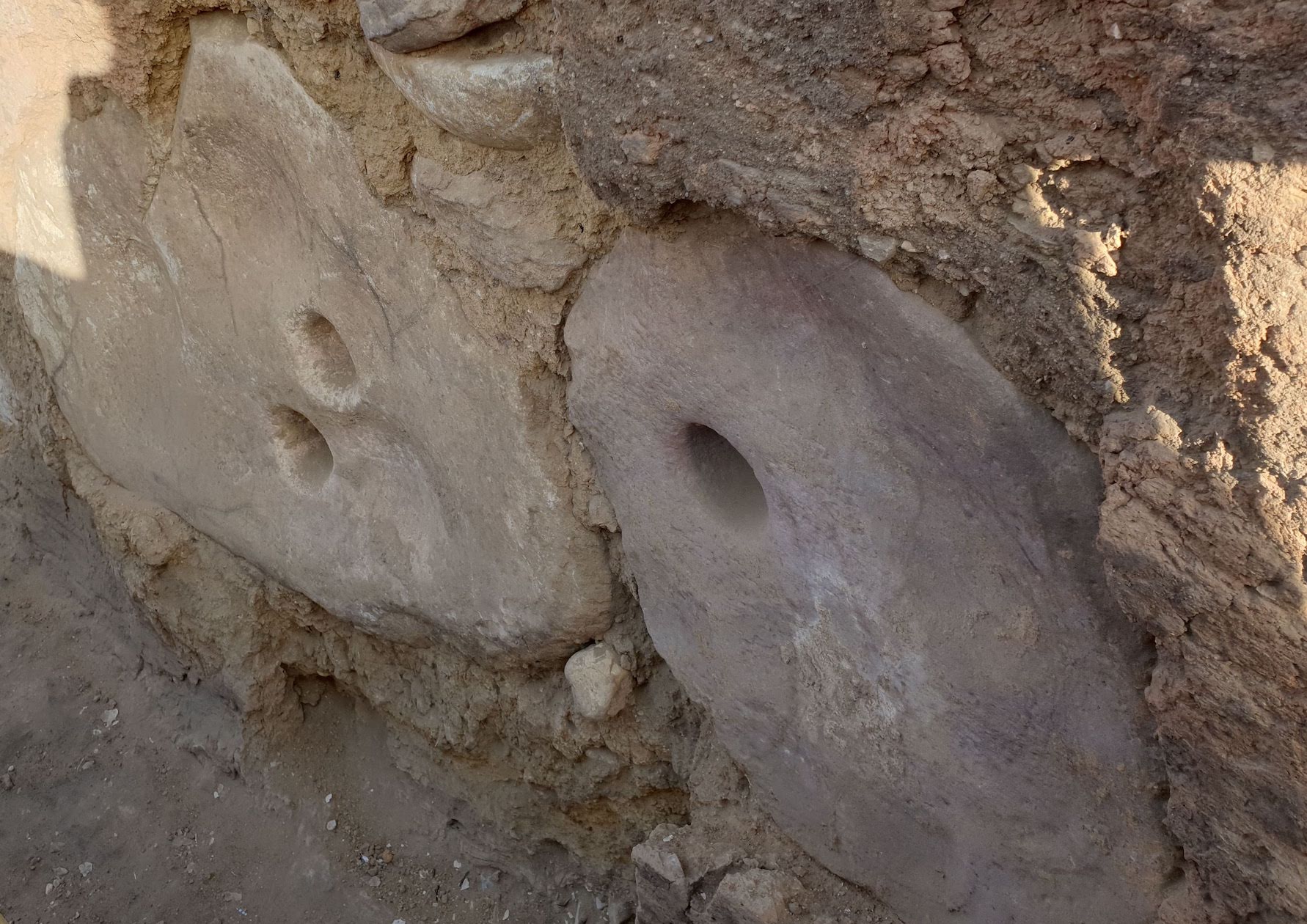
Excavations at Sharara in 2016 and 2017 uncovered a series of structures, along with food-processing equipment and a large deposit of charred figs and pulses. Investigations at the site will examine how people managed plant resources at this time, in a landscape that presents potential difficulties for arable cultivation. Results will also be compared to the nearby site of el-Hemmeh to examine similarities and differences in plant use at these two Pre-Pottery sites.
The project will also be working closely with Dr Sarah Elliott (British Academy Postdoctoral Fellow, University of Bournemouth) and Dr Shira Gur-Arieh (Marie-Curie Fellow, Universitat Pompeu Fabra), to integrate the results from macrobotanical analysis with those from micromorphological investigations at the site.
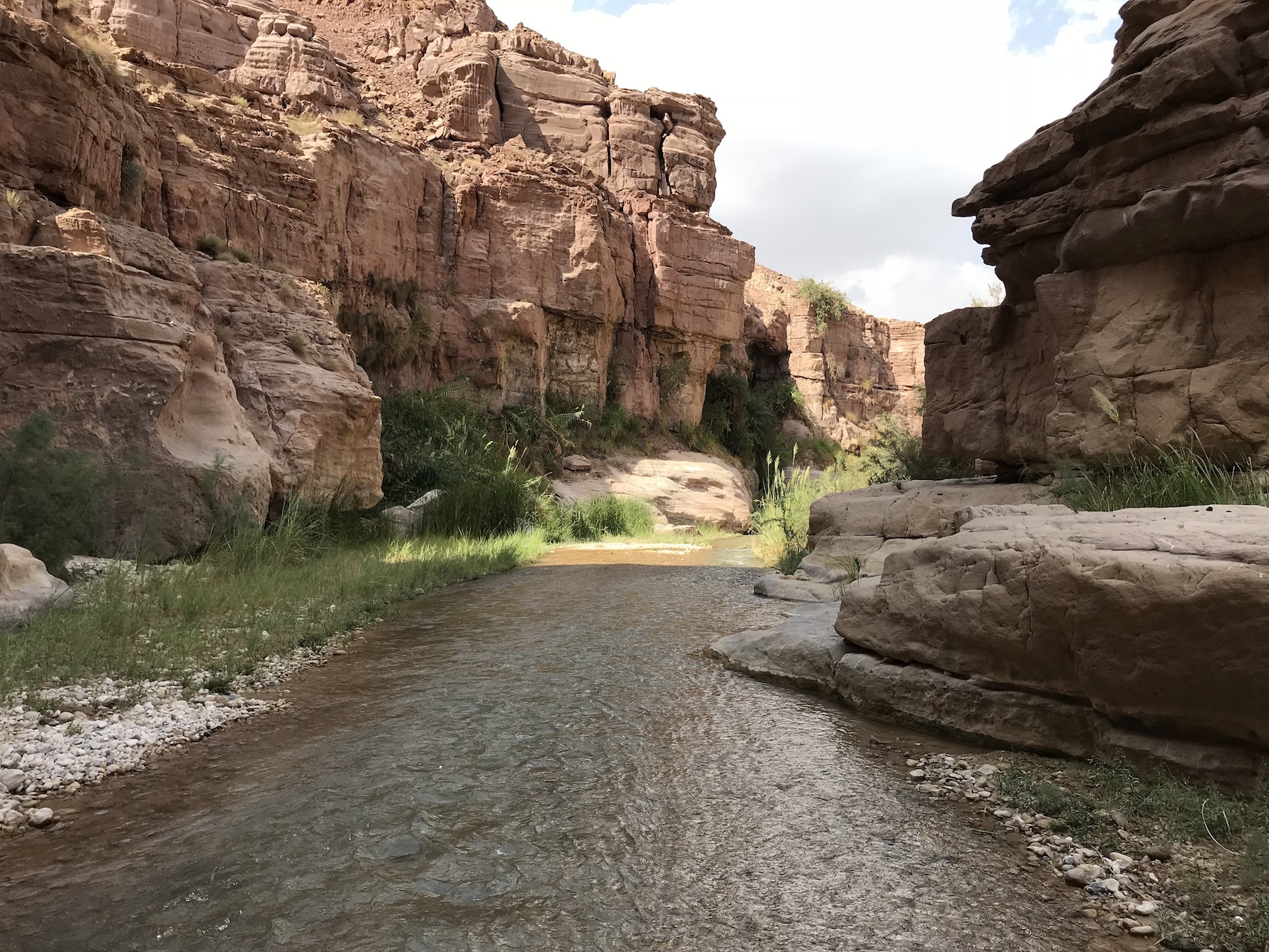
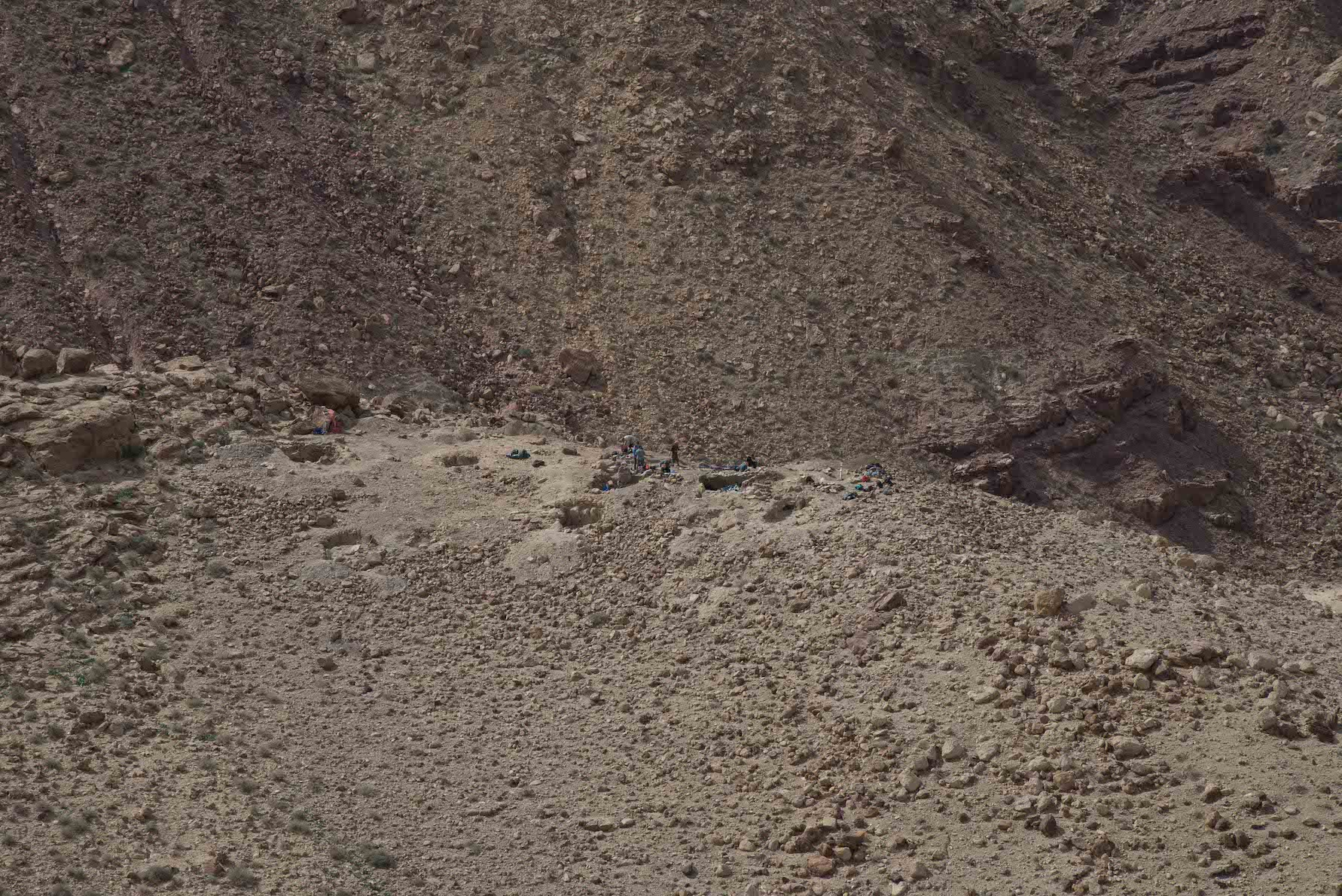
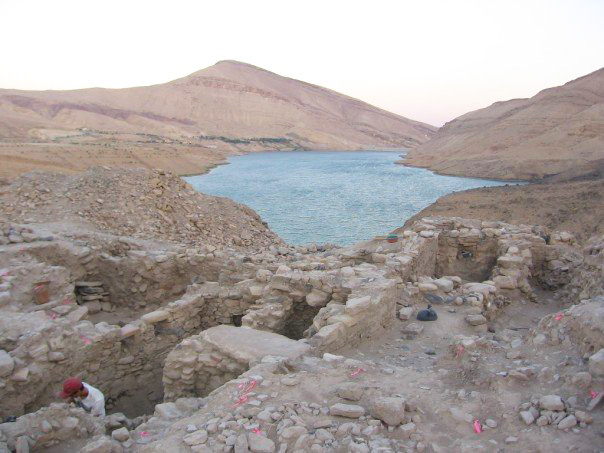
El-Hemmeh is a multi-period site located in the Wadi el-Hasa, Jordan that contains a rare sequence of Pre-Pottery Neolithic A (PPNA) and Pre-Pottery Neolithic B (PPNB) deposits. The site is located approximately 25 km away from PPNA Sharara. Excavations at el-Hemmeh are directed by Prof. Cheryl Makarewicz of the Christian-Albrechts University, Kiel.
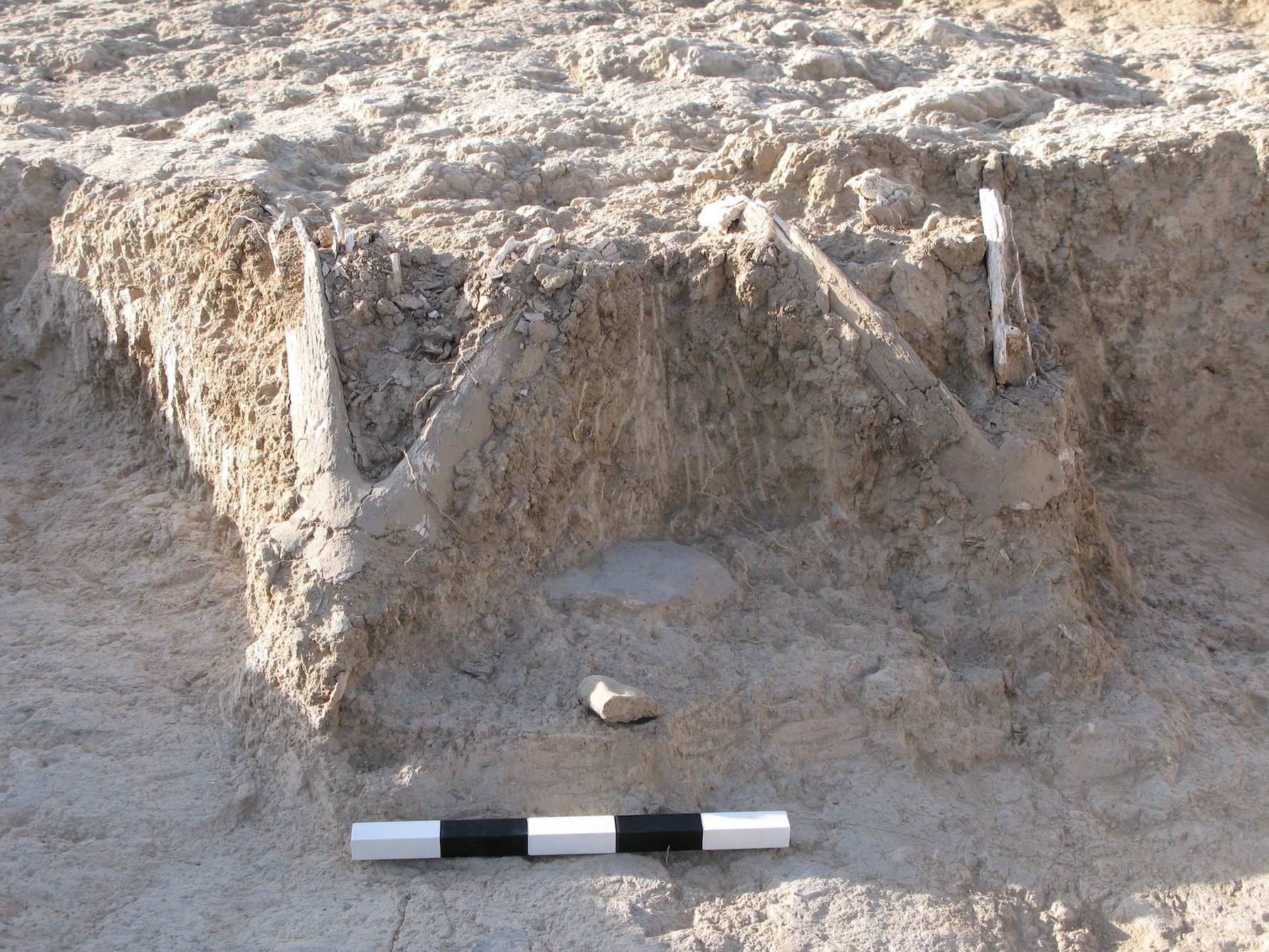
El-Hemmeh was excavated from 2004–07 and substantial semi-subterranean stone structures containing prepared earthen floors, pisé storage bins and hearths have been uncovered. Analysis of charred plant remains recovered during this time has provided evidence for early cultivation practices, including harvesting of barley in an immature 'green' stage which is considered to be a key step in the development of agricultural strategies (White and Makarewicz 2012).
Plant material from further field seasons conducted in 2010–14, will be examined as part of this project to investigate transformations in plant management through the site's long occupation.
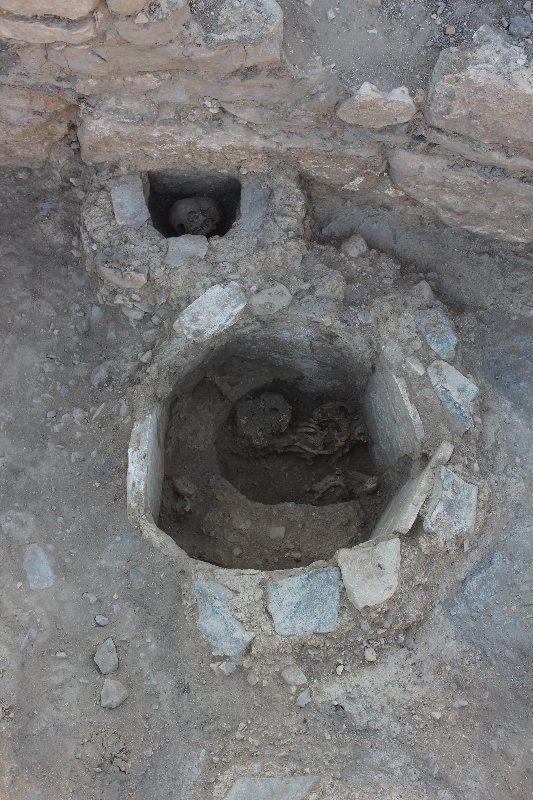
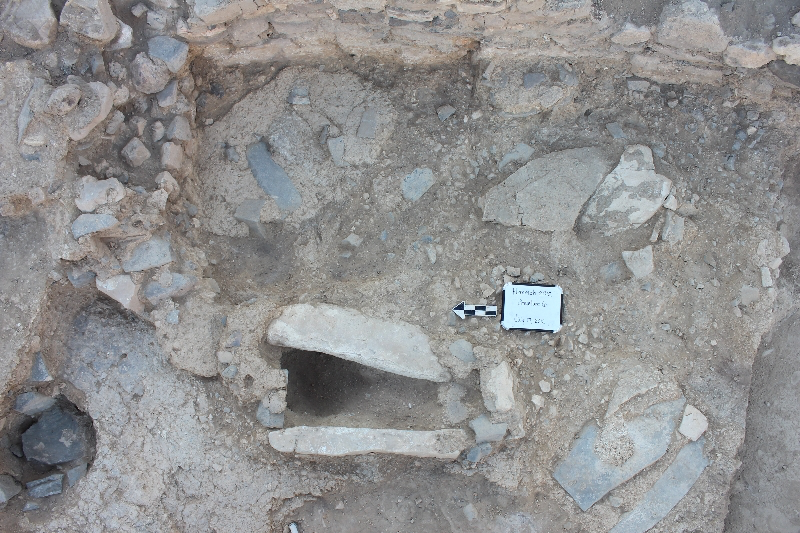
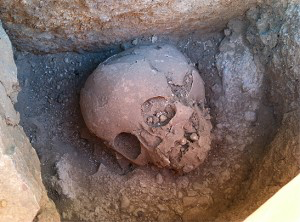
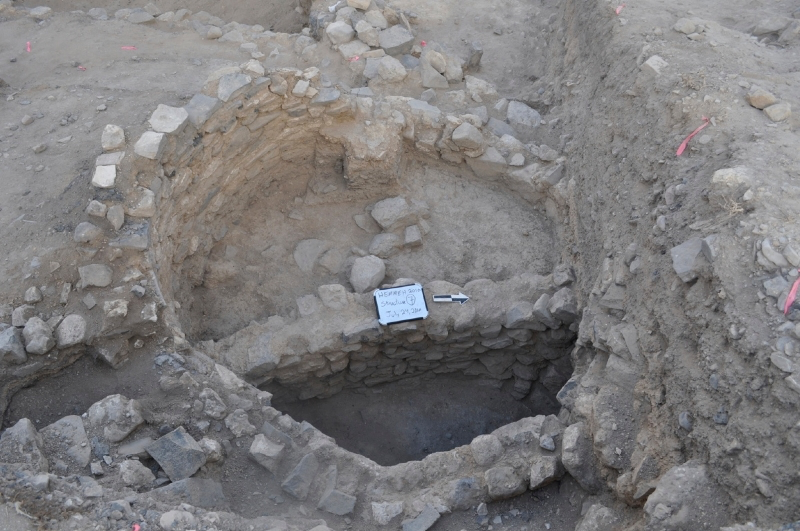
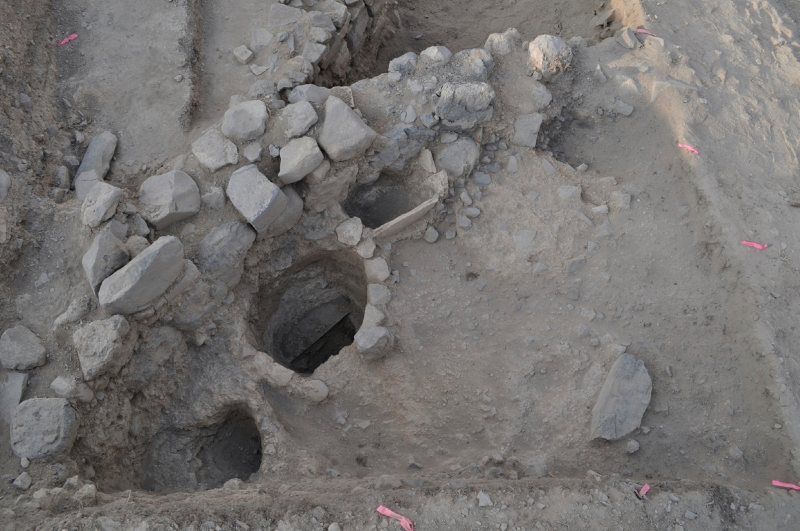
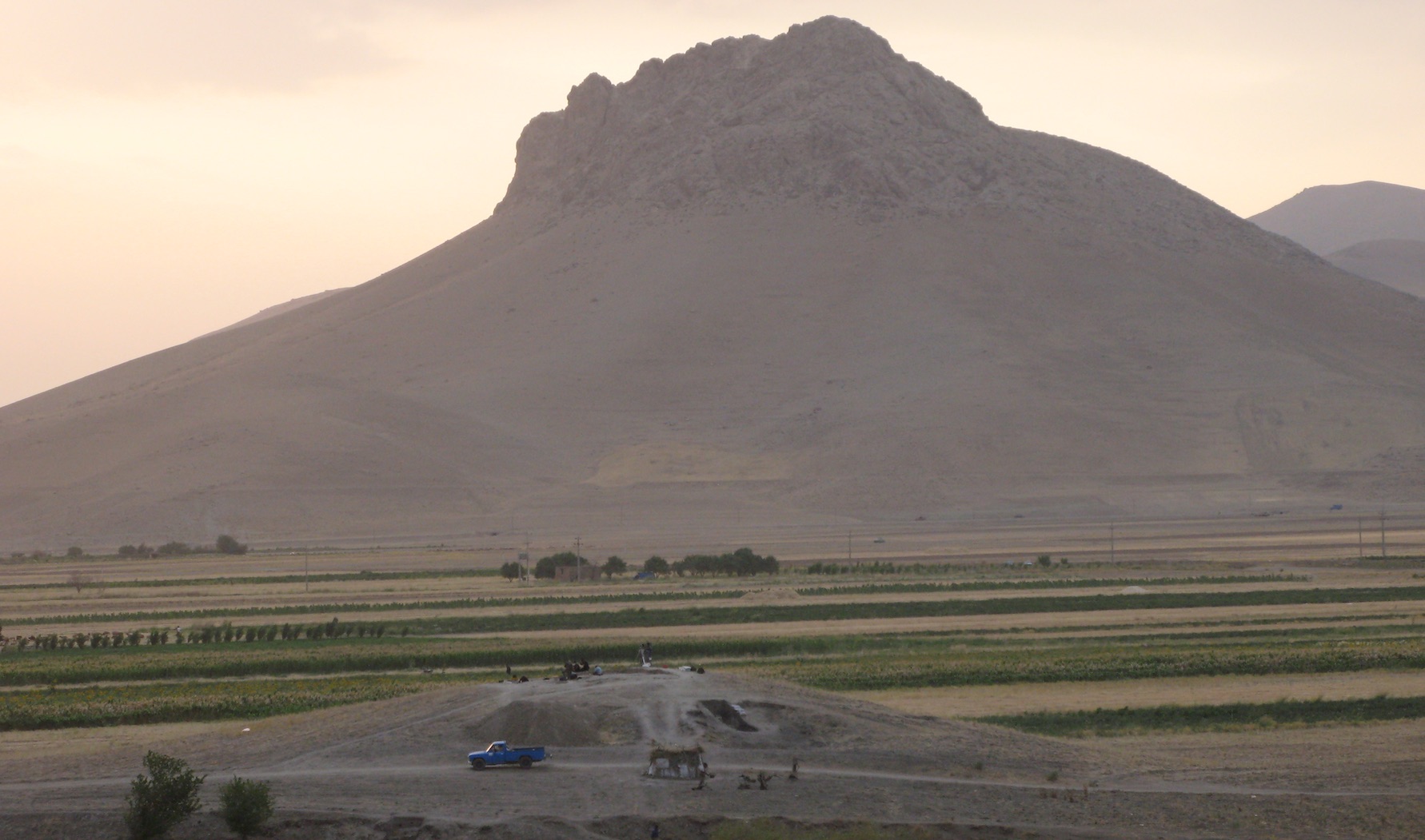
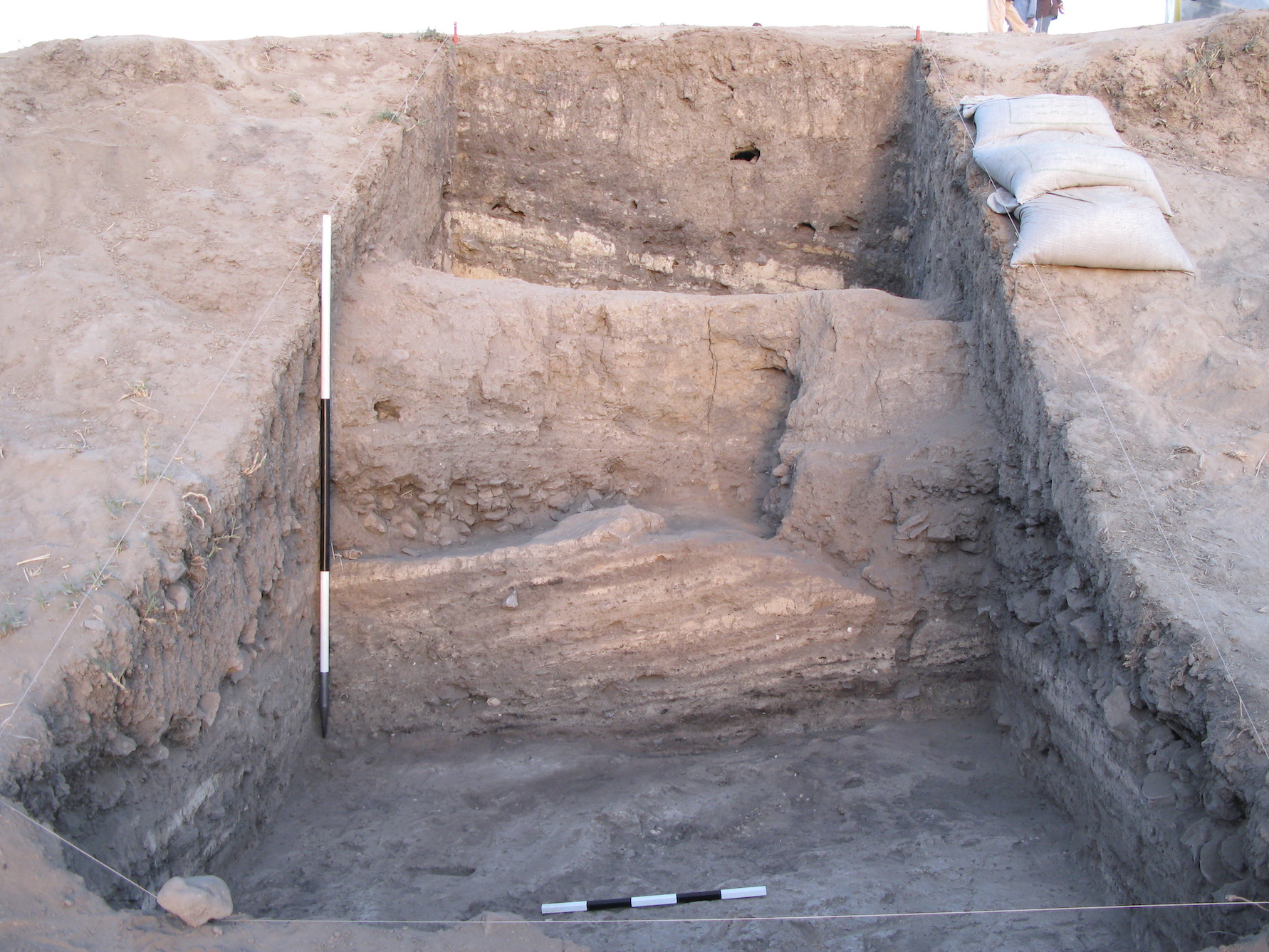
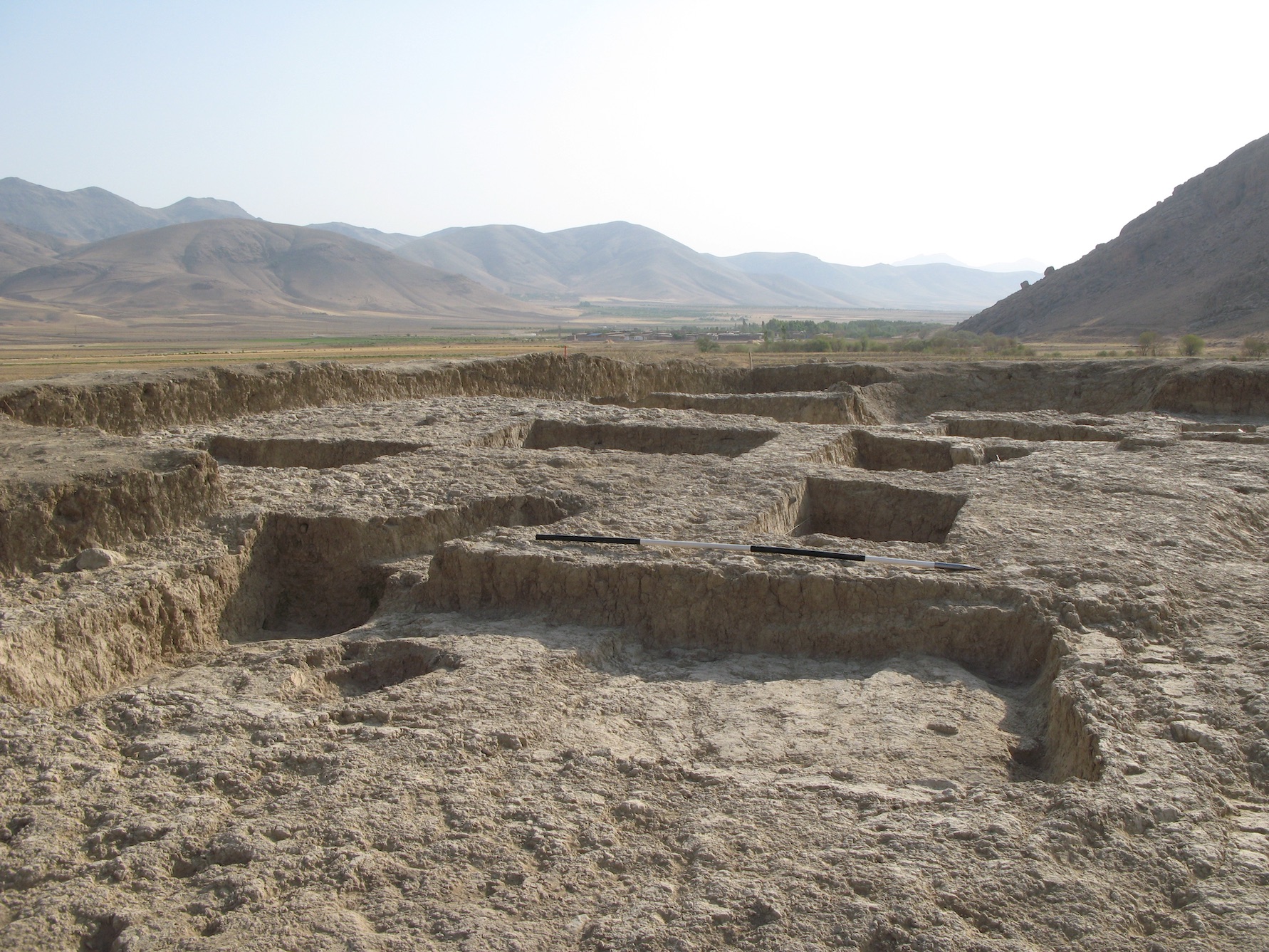
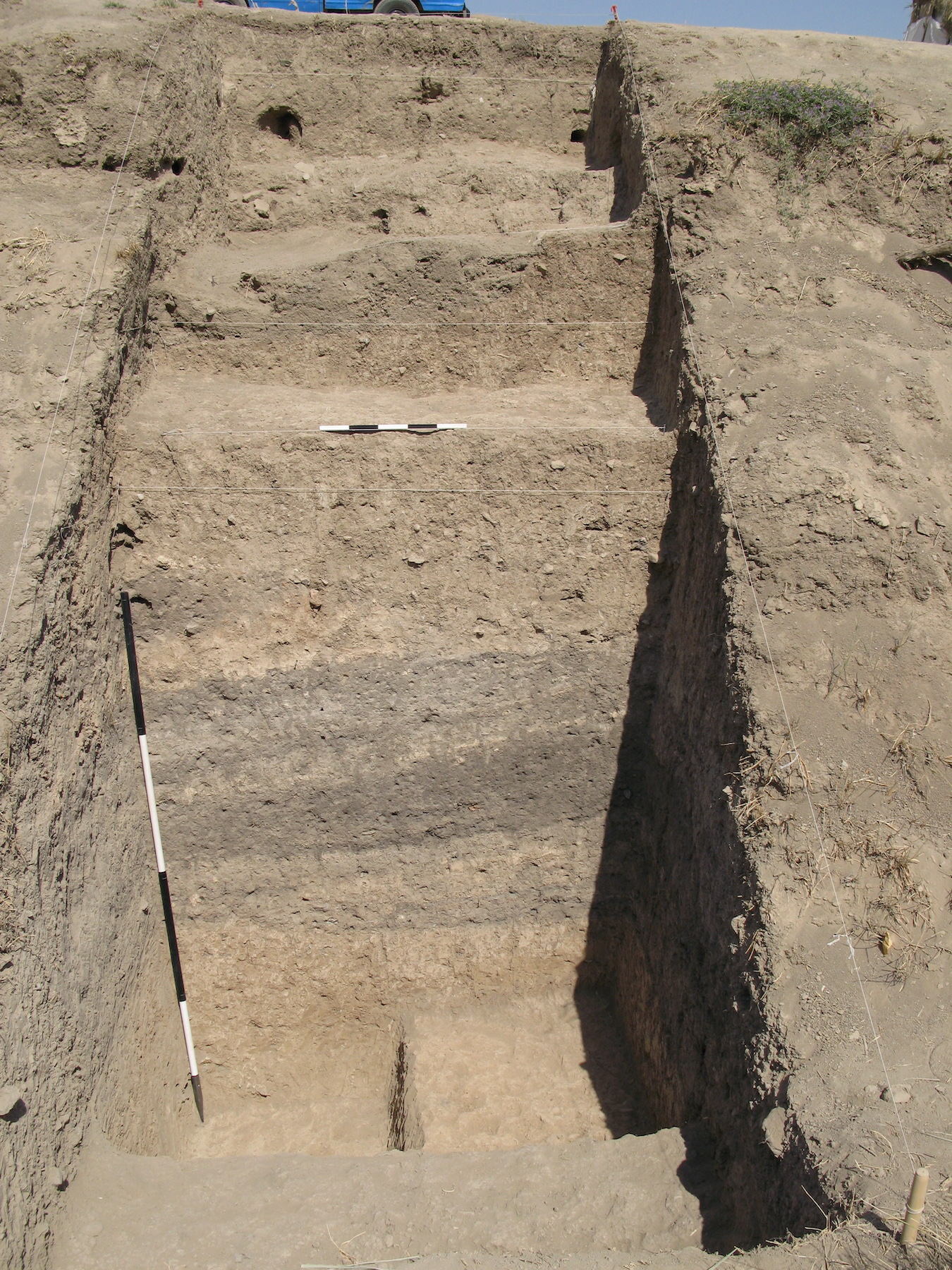
Sheikh-e Abad is an Early Neolithic site located on a fertile alluvial plain at 1,430 m a.s.l. in a semi-arid region of the central Zagros mountains. Radiocarbon dates place occupation at the site between 9810 and 7590 cal BC, corresponding with the Levantine Pre-Pottery Neolithic A (PPNA) and Pre-Pottery Neolithic B (PPNB) periods. Excavations at Sheikh-e Abad are directed by Prof. Roger Matthews and Dr Wendy Matthews of the University of Reading. Further information can be found here.
Sheikh-e Abad is unique in being the only settlement known to date within southwest Asia that lies at an altitude above 1,000 m and which has occupation spanning the agricultural transition. This allows us to examine, for the first time, transformations in plant management in an upland zone during this critical time period.
Analysis of charred plant remains recovered from the site suggests that from its earliest occupation people were managing and consuming a range of locally available wild plant foods; including a group of perennial grasses that were never domesticated. This plant management strategy was eventually replaced with the adoption of an agricultural 'package' in later levels of occupation, opening up a new agro-ecological niche in the central Zagros (Whitlam et al. 2018).
Future work at Sheikh-e Abad will focus on additional ecological and social analysis to further investigate these patterns and the nature of cultivation at the site.
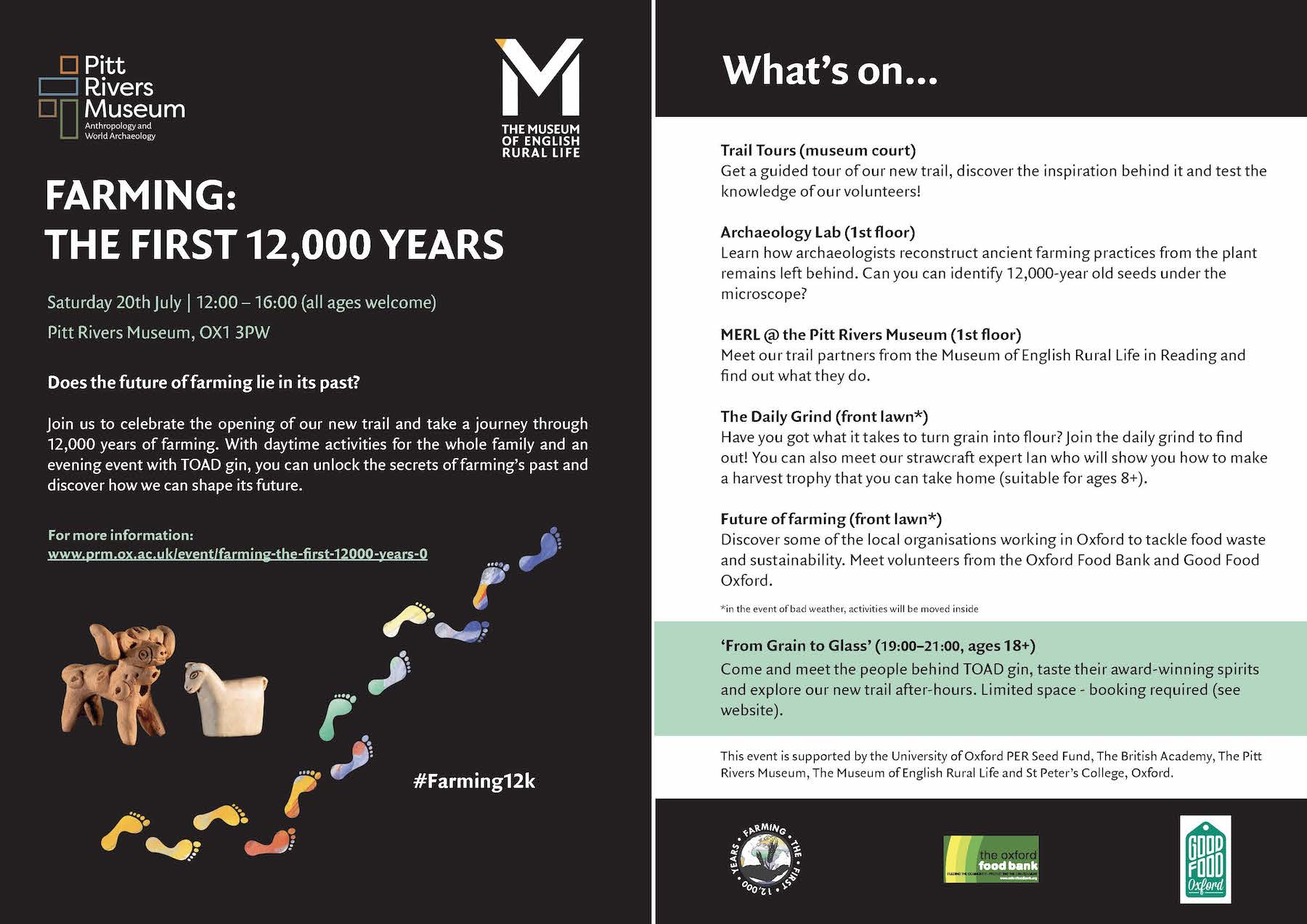
Farming: the first 12,000 years
Saturday 20th July 2019 | Pitt Rivers Museum, Oxford, OX1 3PW
Join us to celebrate the opening of our brand new trail and take a journey through 12,000-years of farming. With daytime activities for the whole family and an evening event in collaboration with TOAD gin, you can unlock the secrets of farming’s past and discover how we can shape it’s future.
Programme of Events
Oxford Botanic Garden's 400th anniversary
Monday 25th – Saturday 30th July 2022 | Oxford Botanic Gardens, Oxford, OX1 4AZ
Join us at the Oxford Botanic Garden’s 400th anniversary celebrations to learn about the archaeology of farming and play our game to see if you can match the seeds to the plants!
IF Oxford Science + Ideas Festival 2018
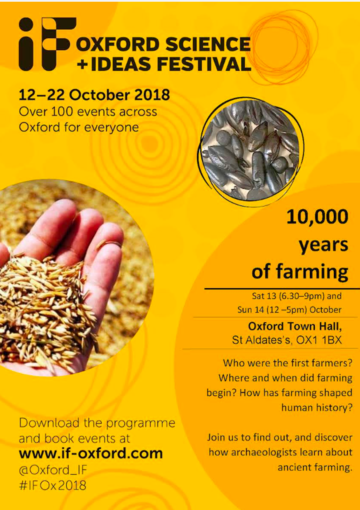
Saturday 13th & Sunday 14th October 2018 | Oxford Town Hall, Oxford, OX1 1BX
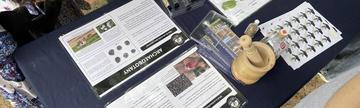
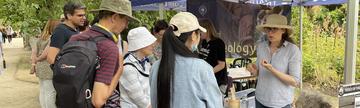
Who were the first farmers? Where and when did farming begin? How has farming shaped human history? Join us to find out and discover how archaeologists learn about ancient farming. https://if-oxford.com/welcome-page/
Curiosity Carnival
Friday 29th September 2017 | Oxford Botanic Gardens, Oxford, OX1 4AZ
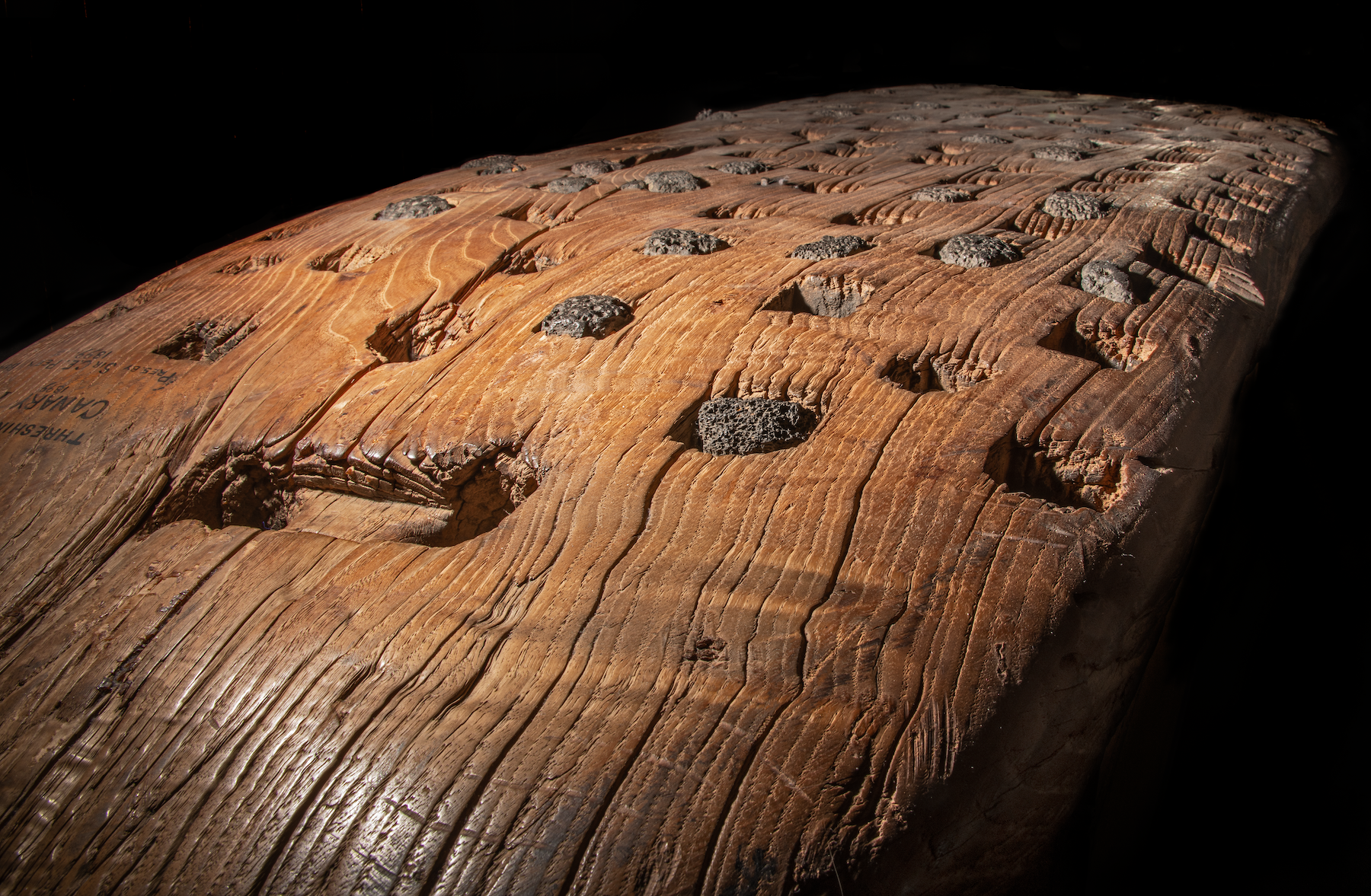
Come and join us at Curiosity Carnival to learn more about traditional farming practices from an archaeological perspective. This will take the form of discussion and participation in practical activities related to crop-processing (sieving to separate out crops from weeds).