
HANDMADE
HANDMADE - Understanding Creative Gesture in Pottery Making



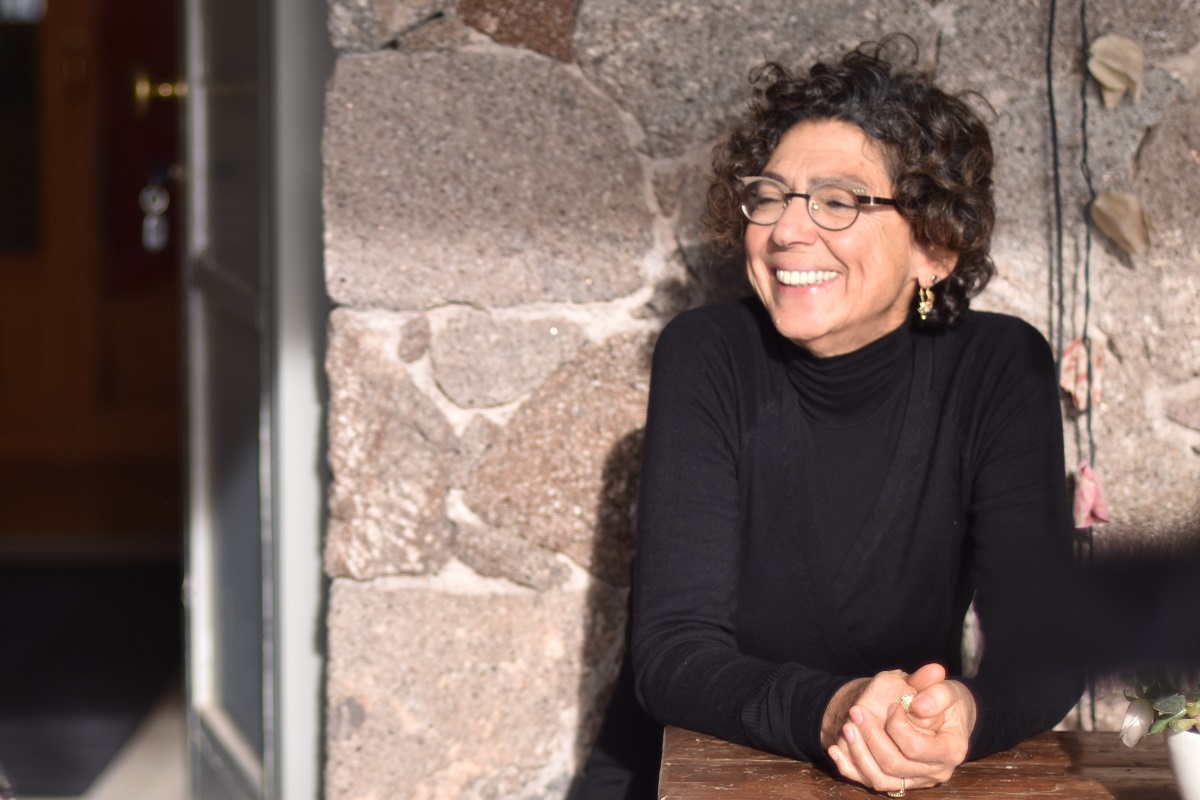
The HANDMADE team, led by Lambros Malafouris and based in the Institute of Archaeology, consists of junior and senior researchers, doctoral students, academics and artists. The core team is advised and assisted by an academic board of external collaborators.
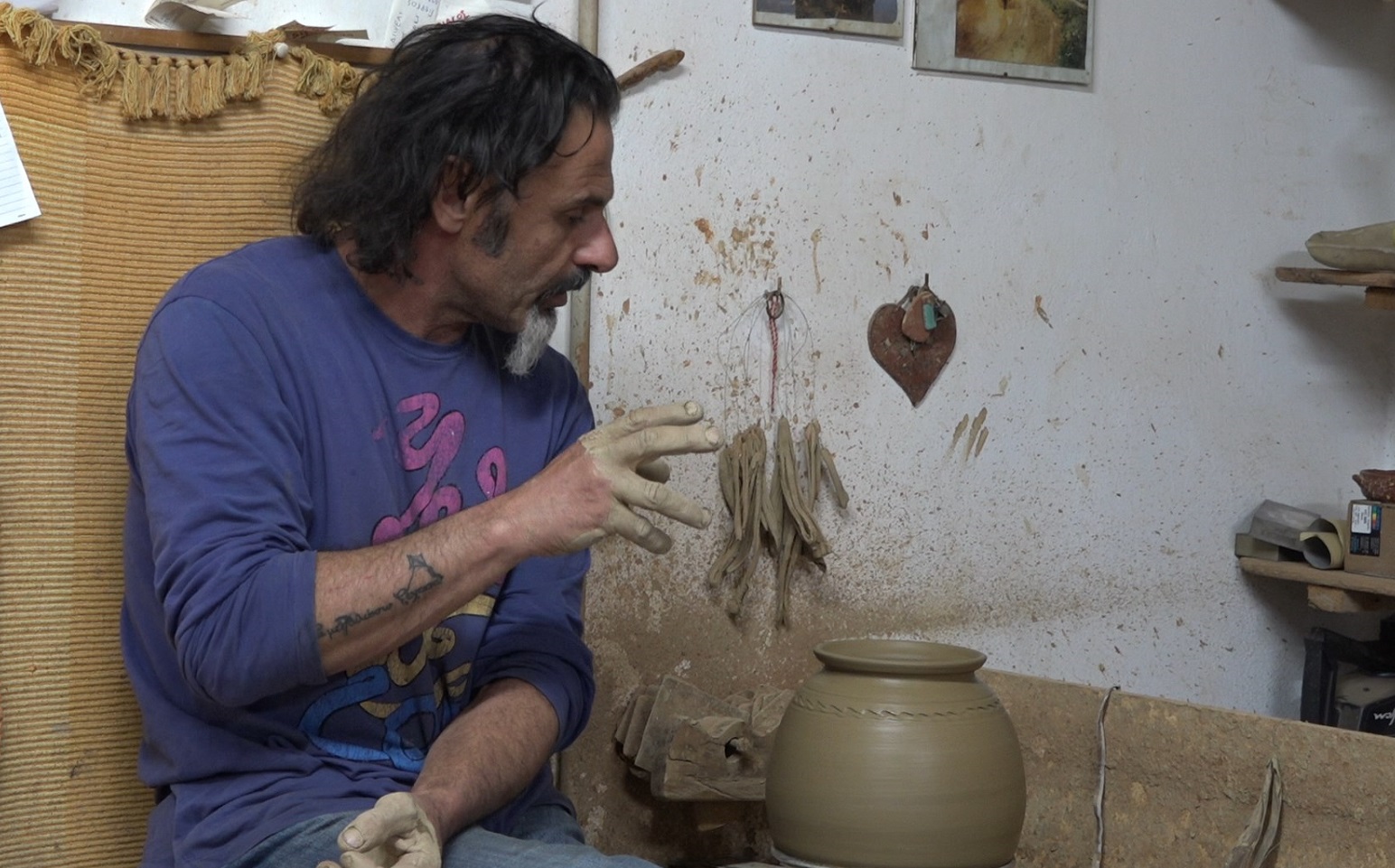
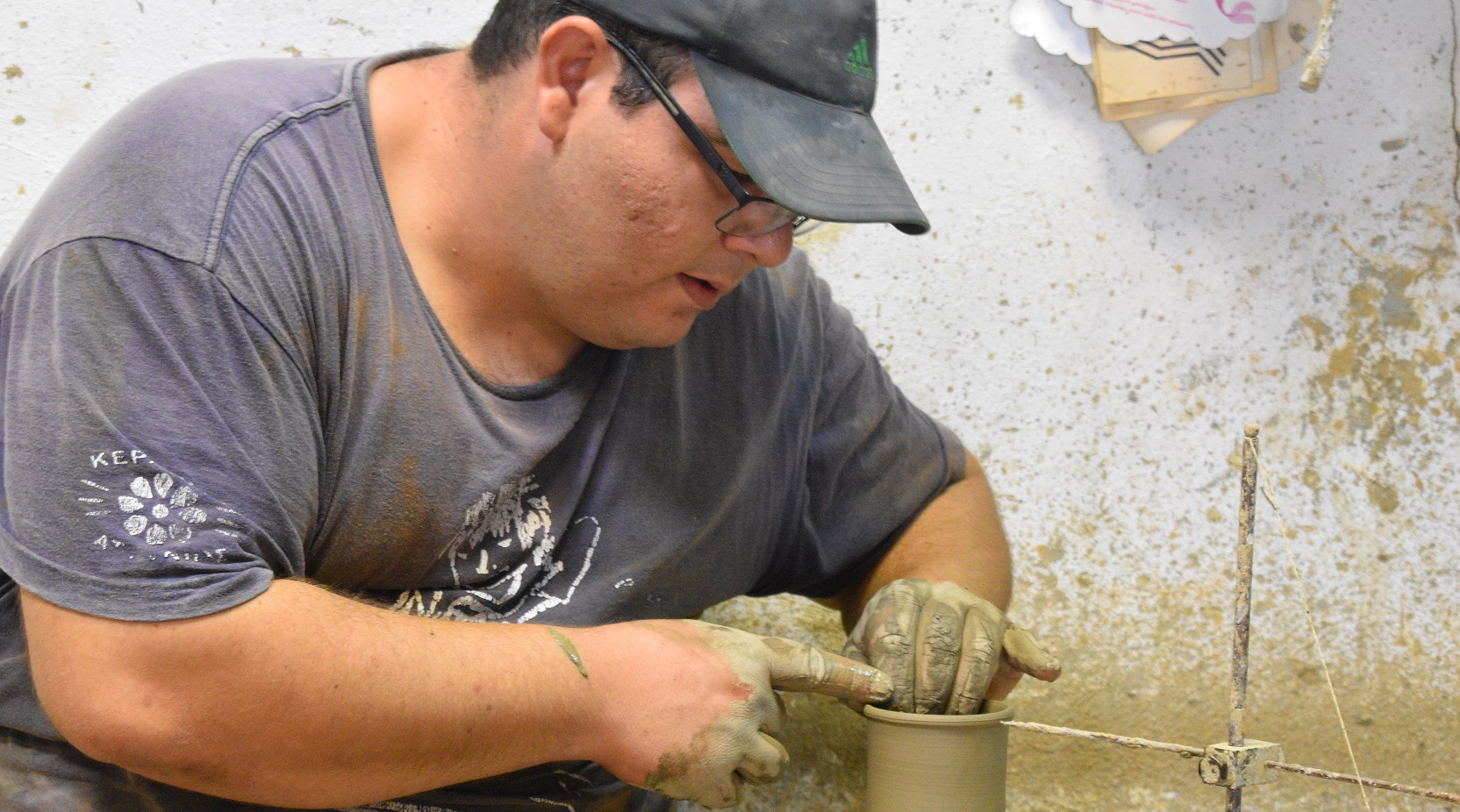
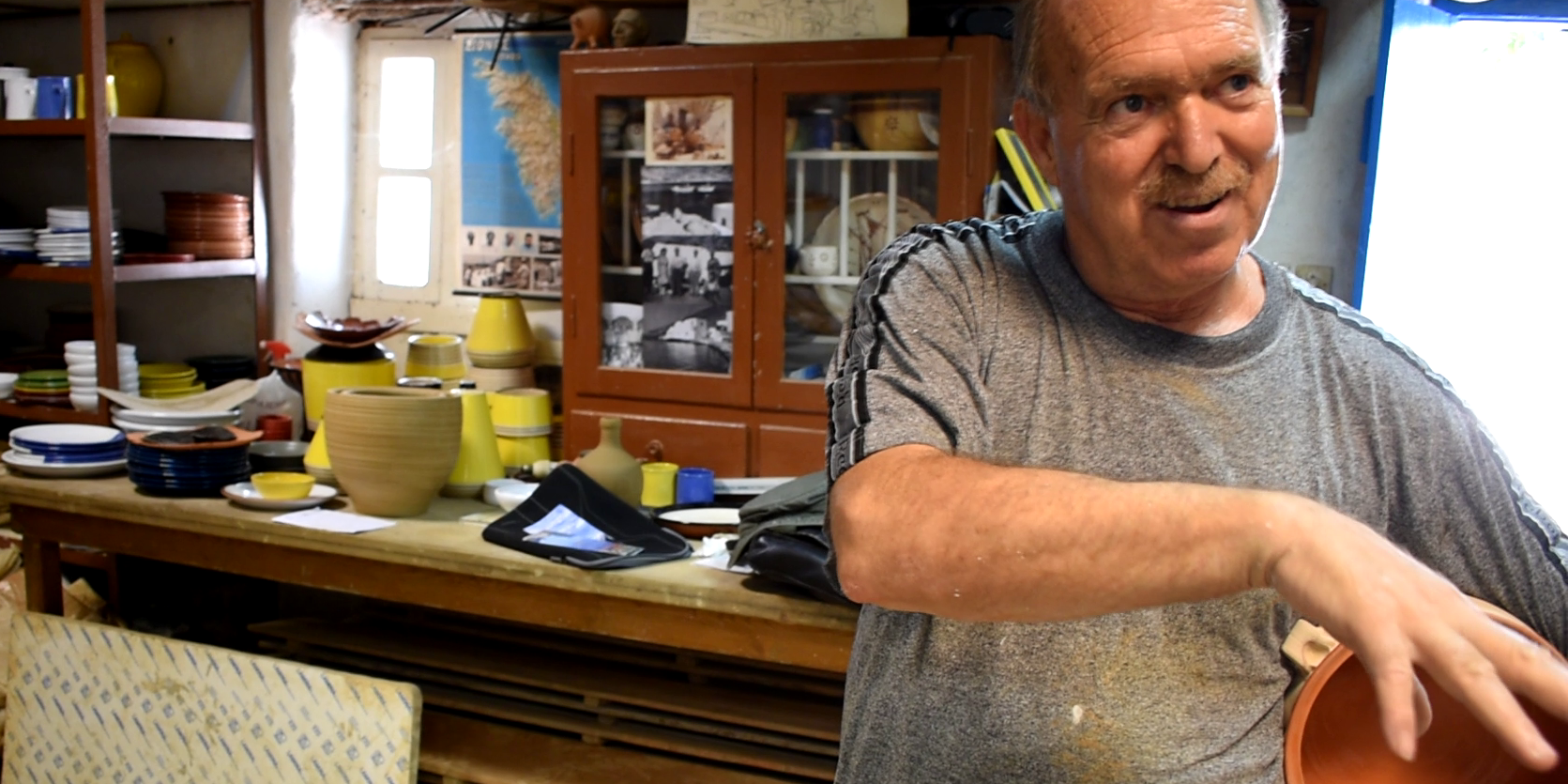
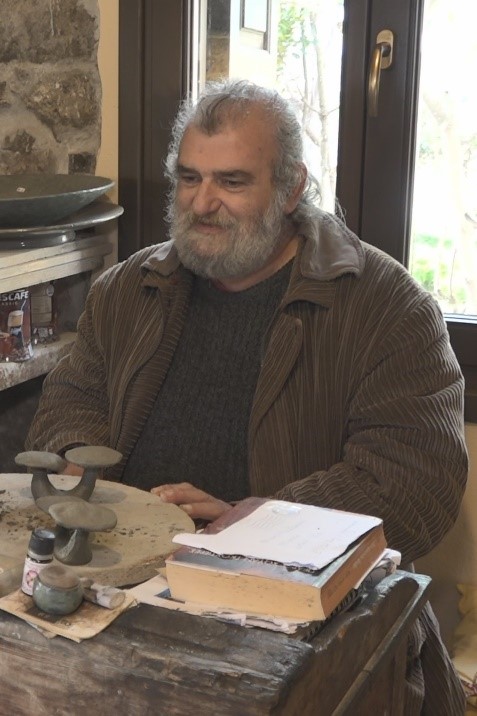
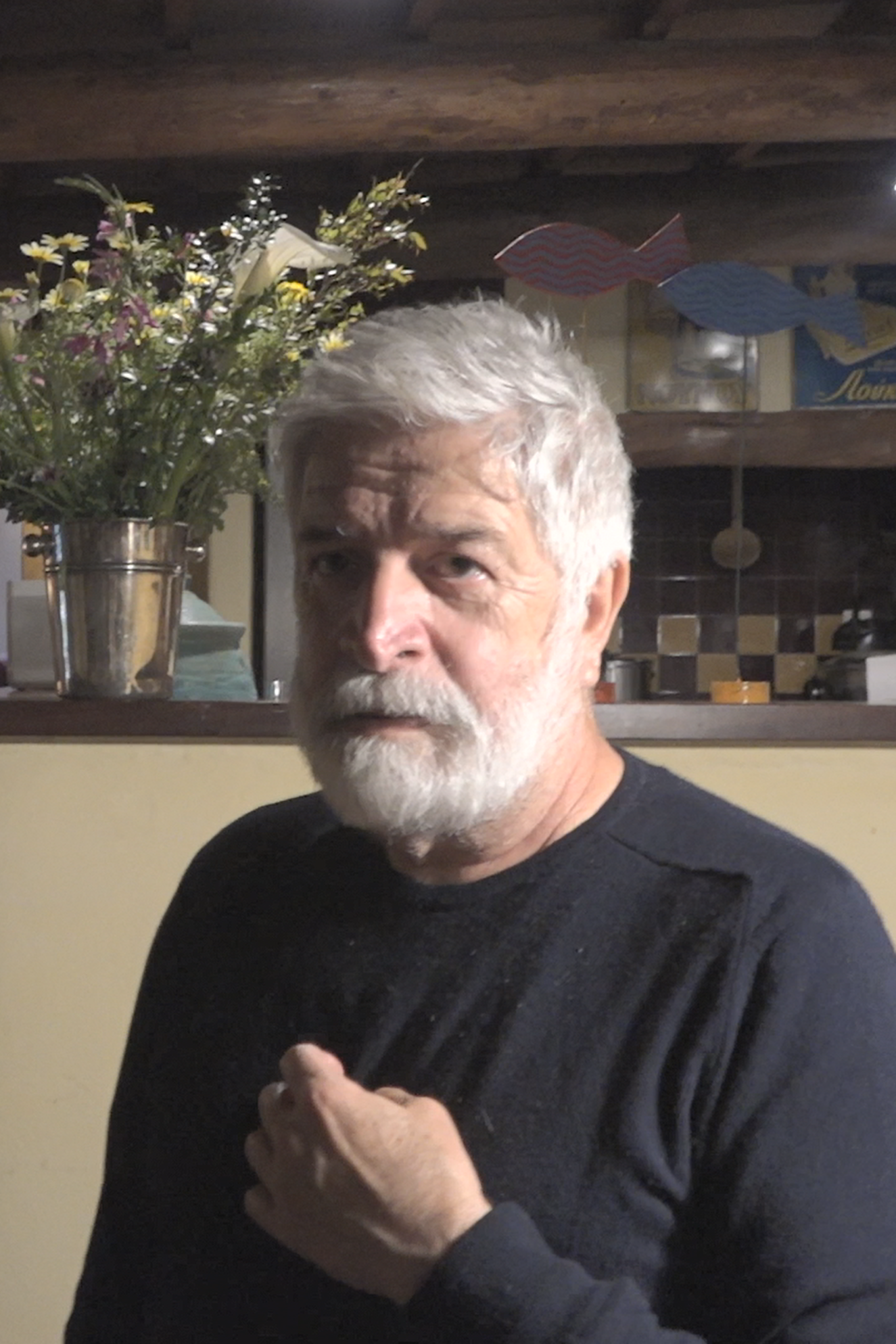
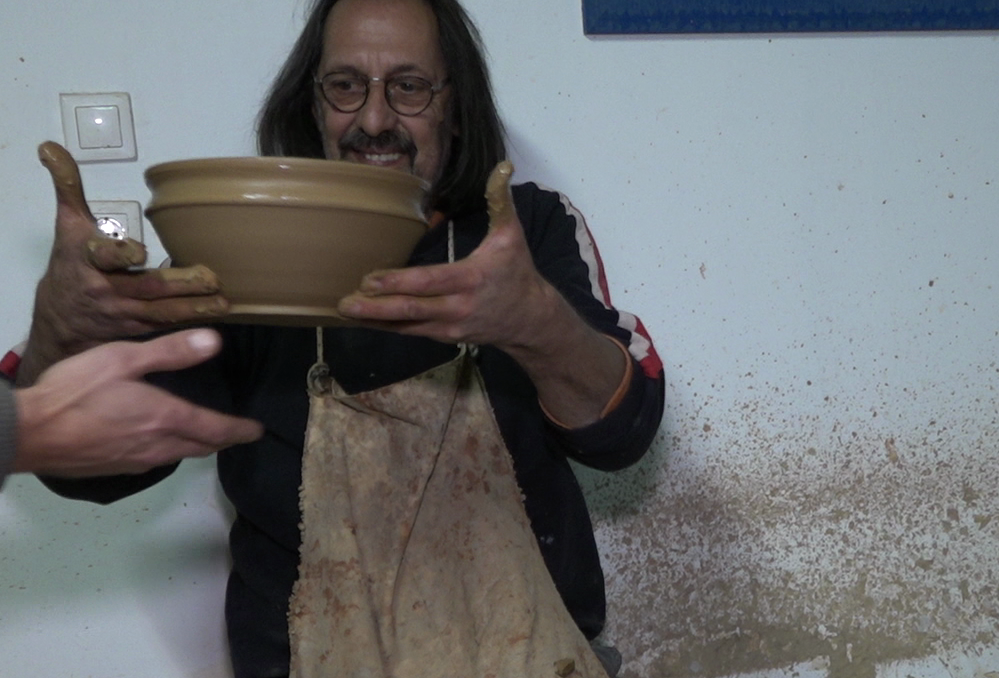
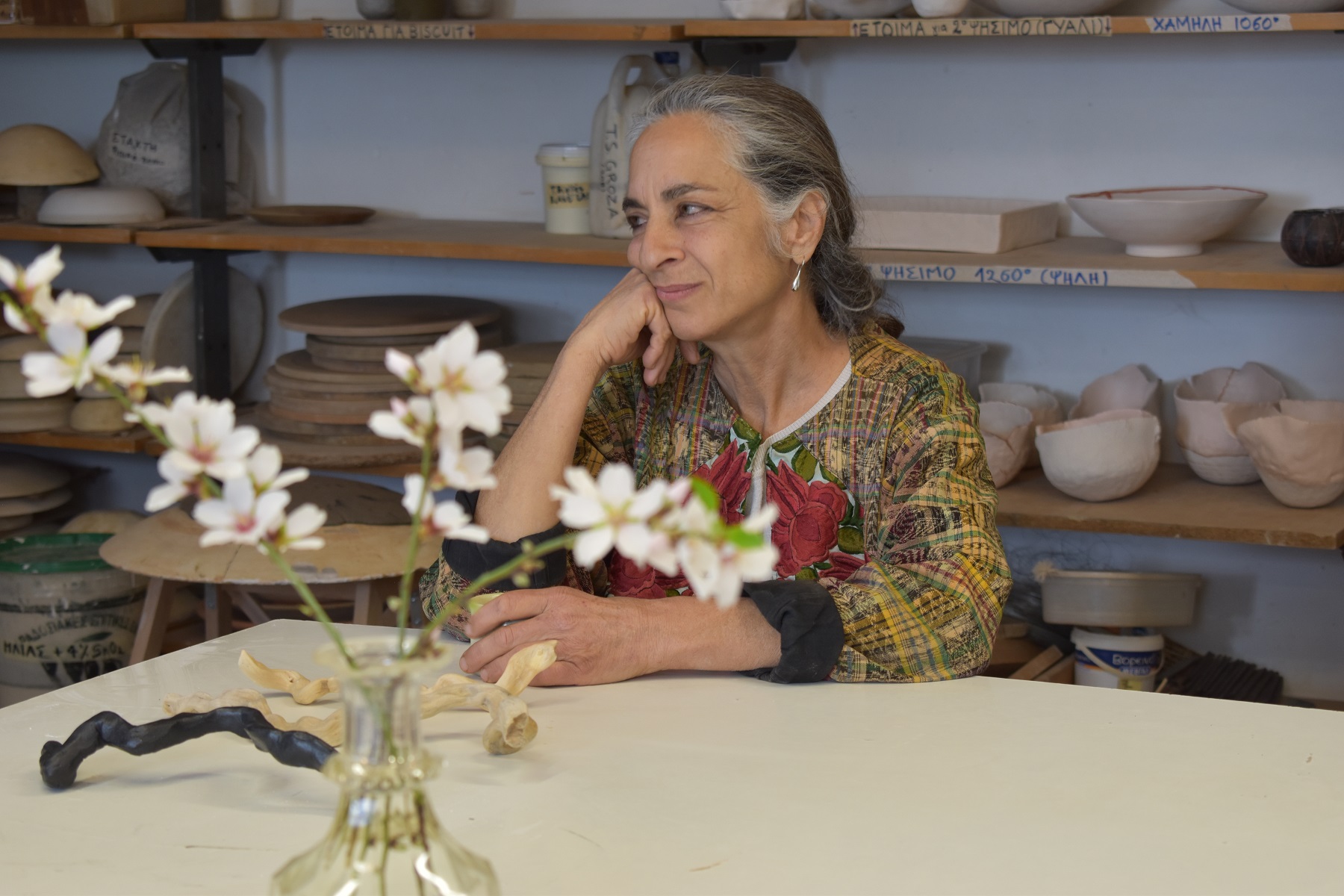
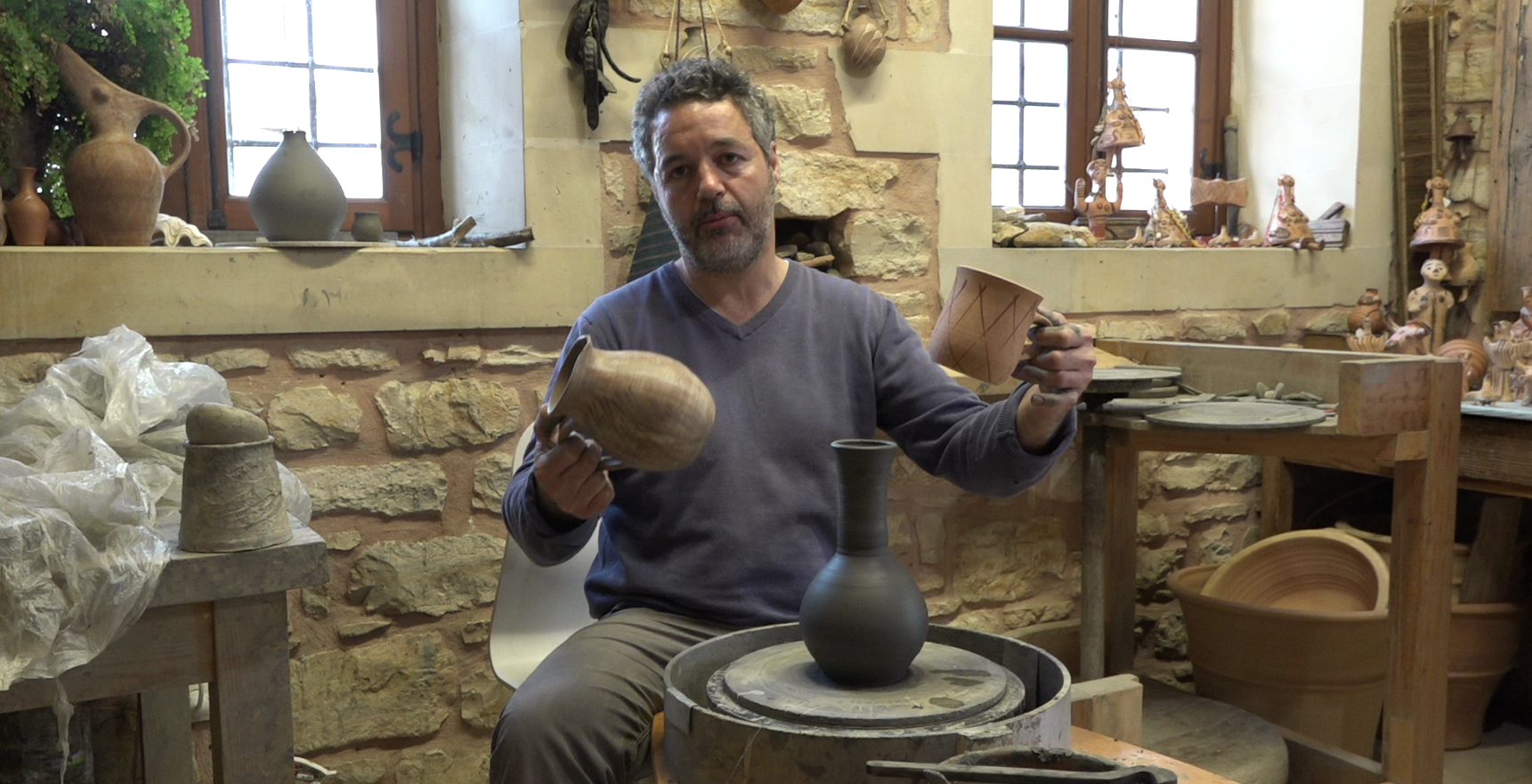
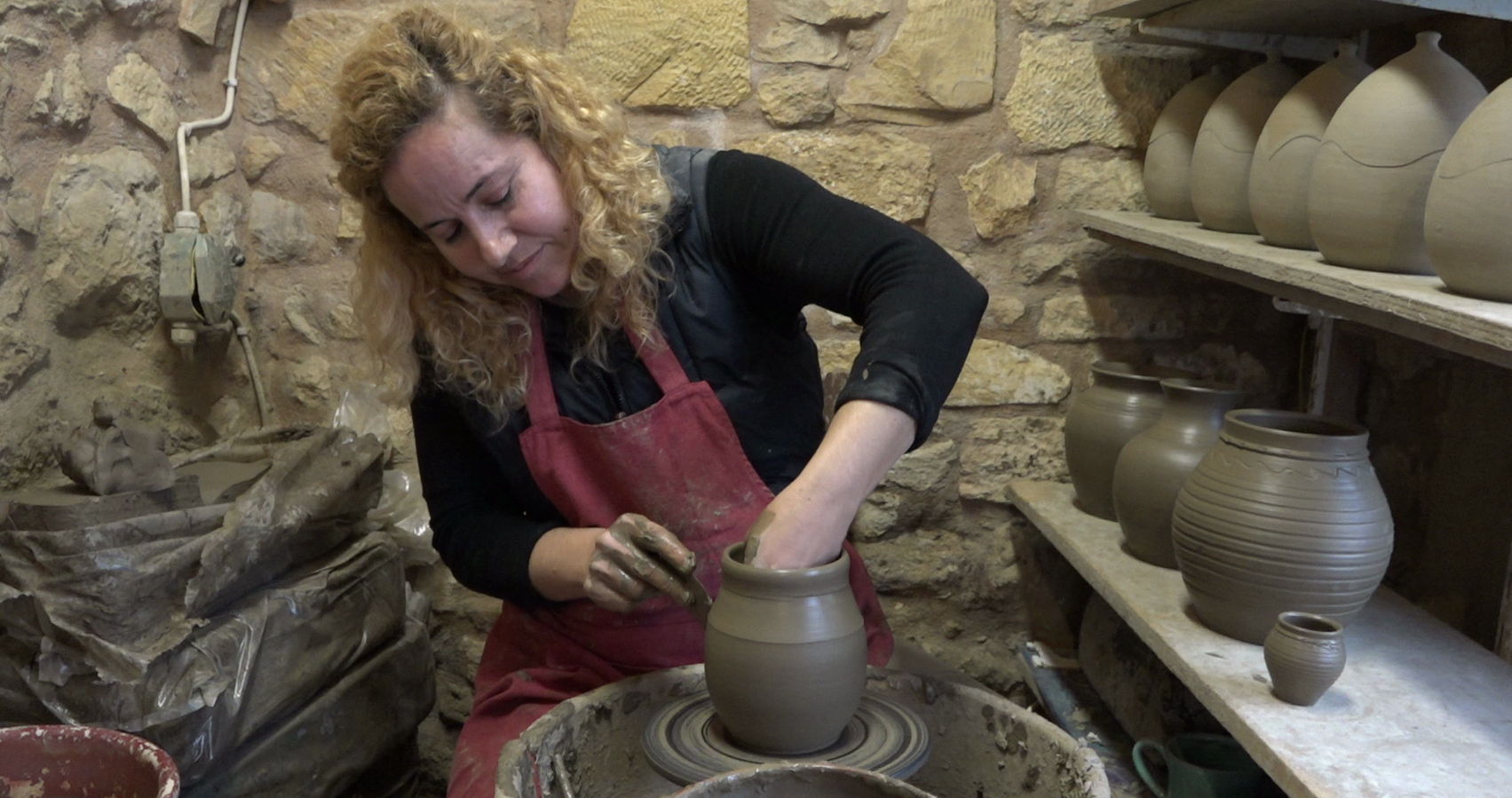
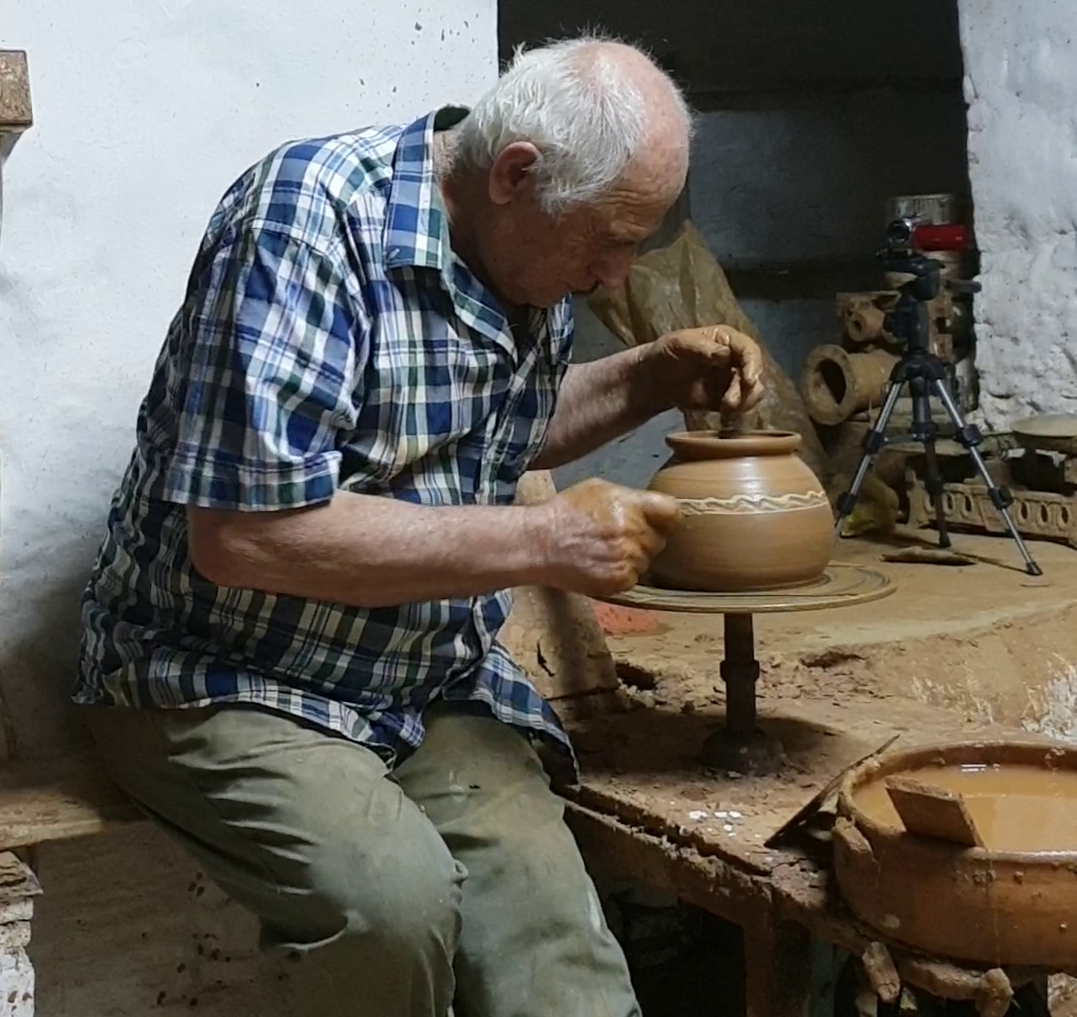
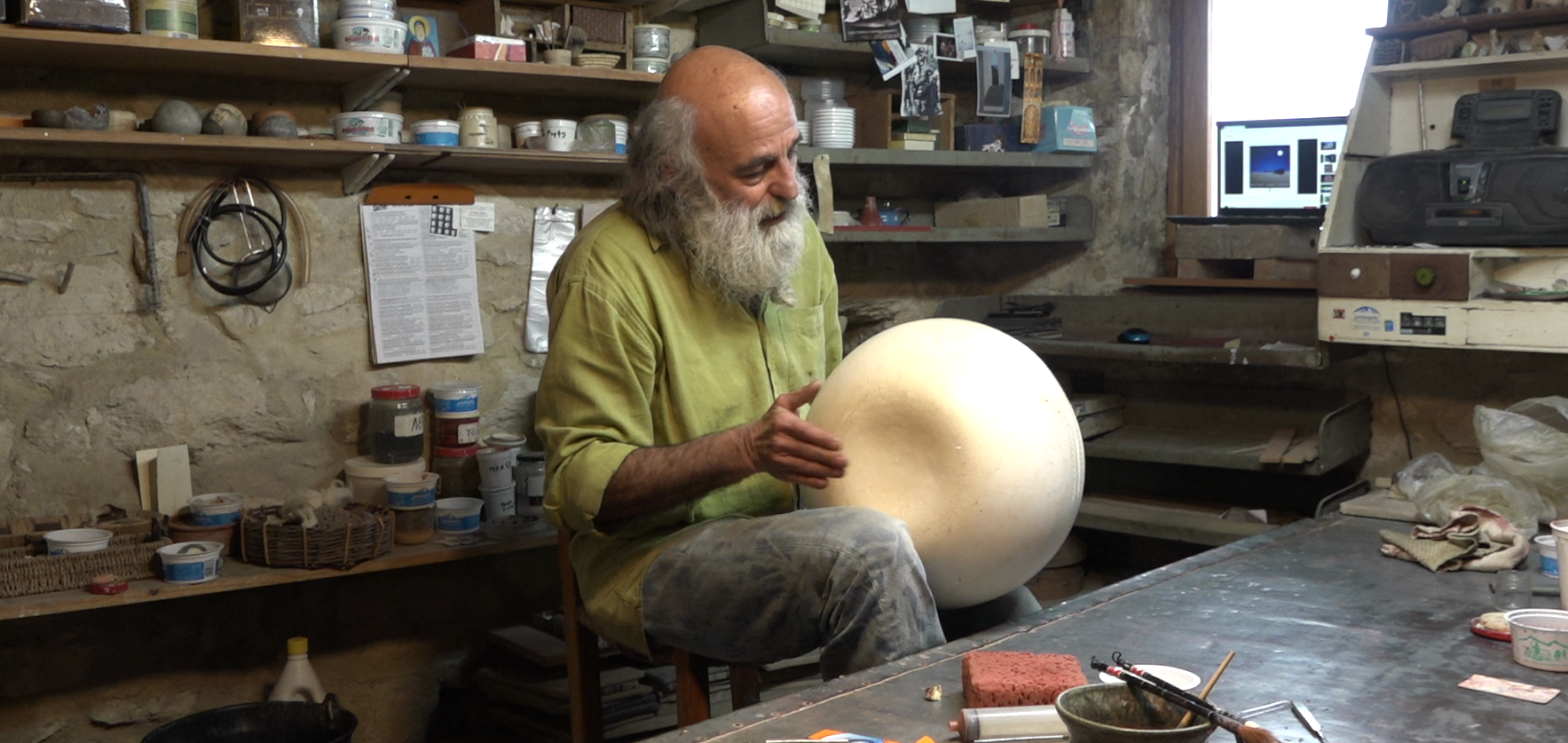
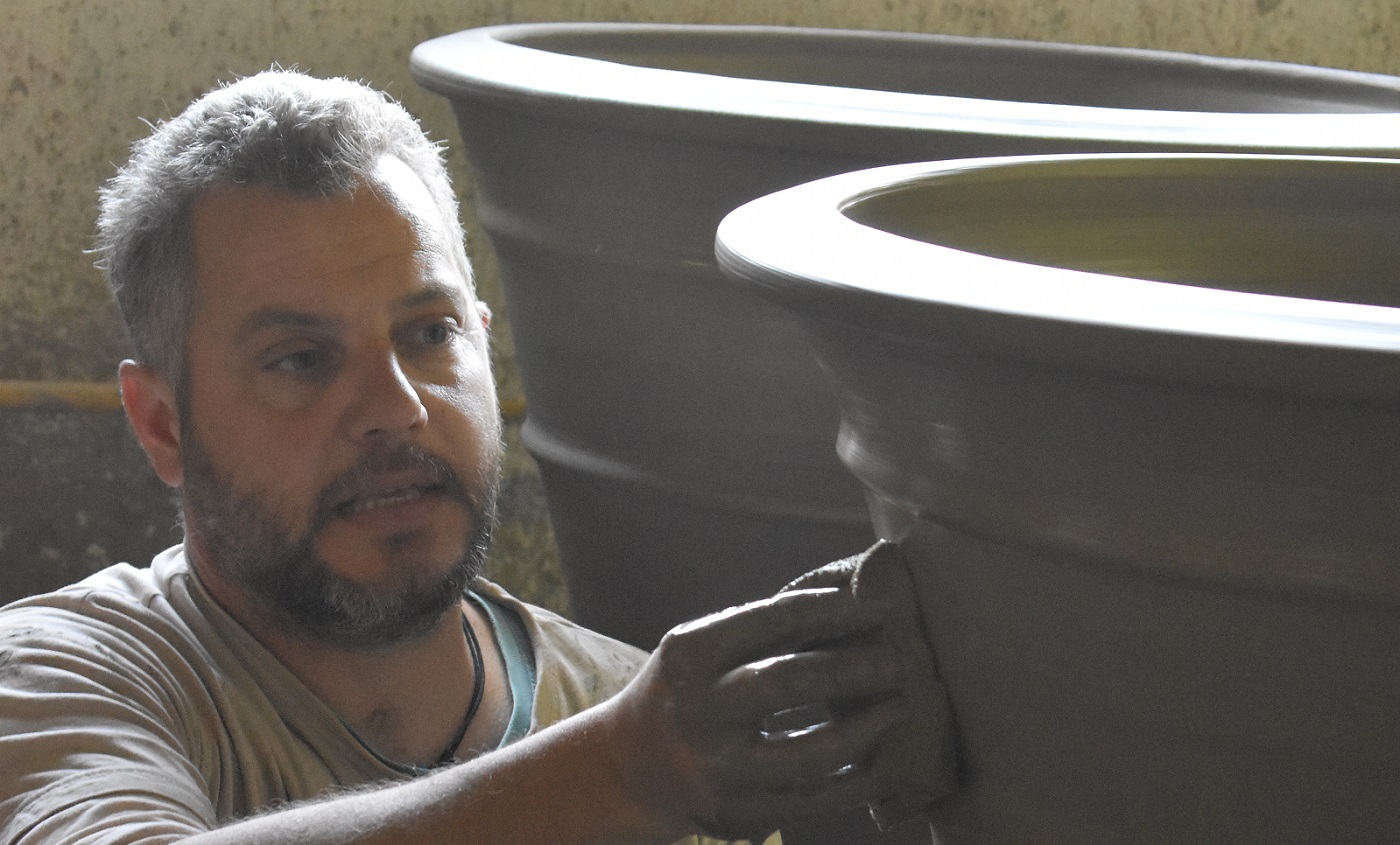
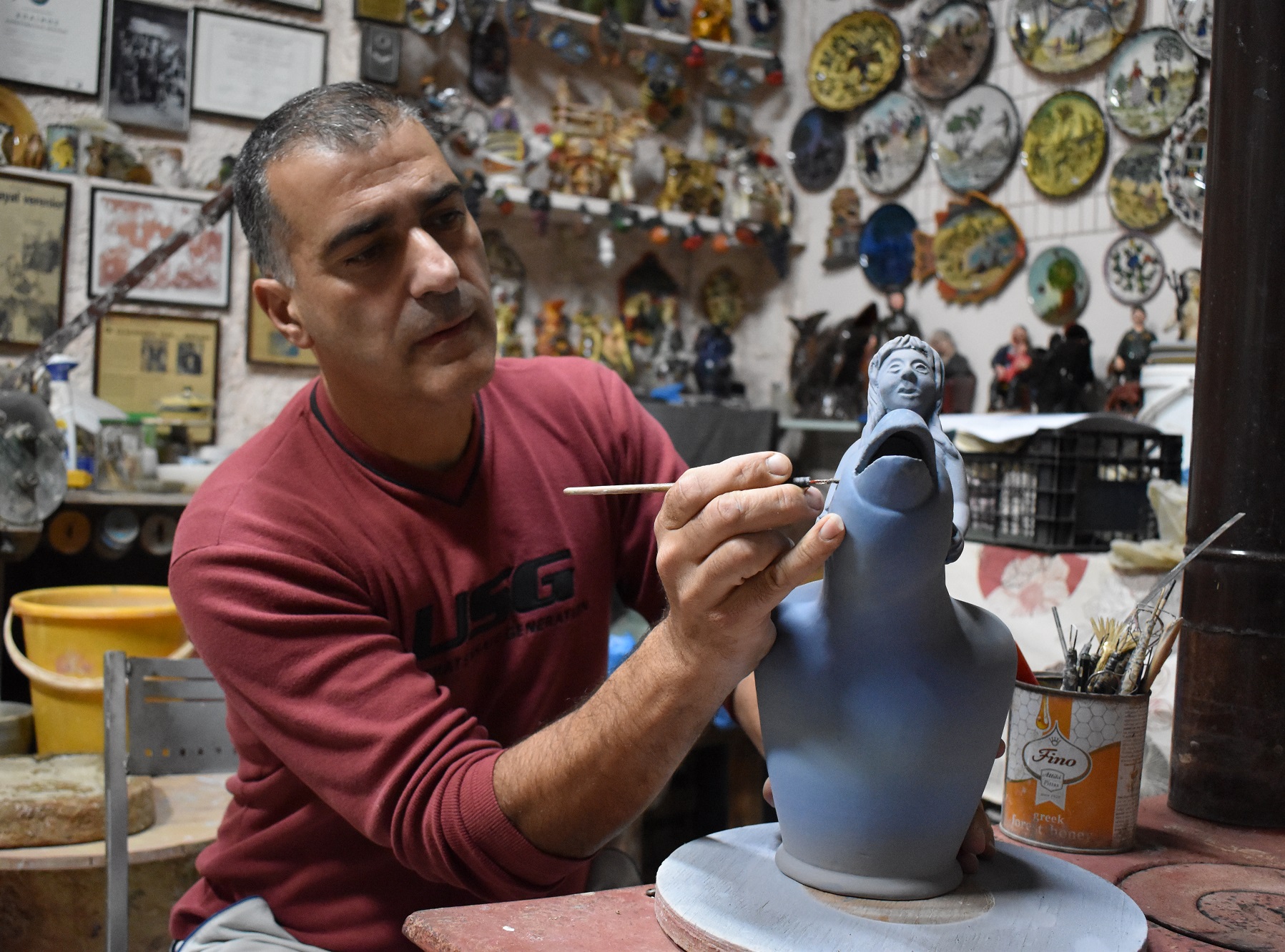
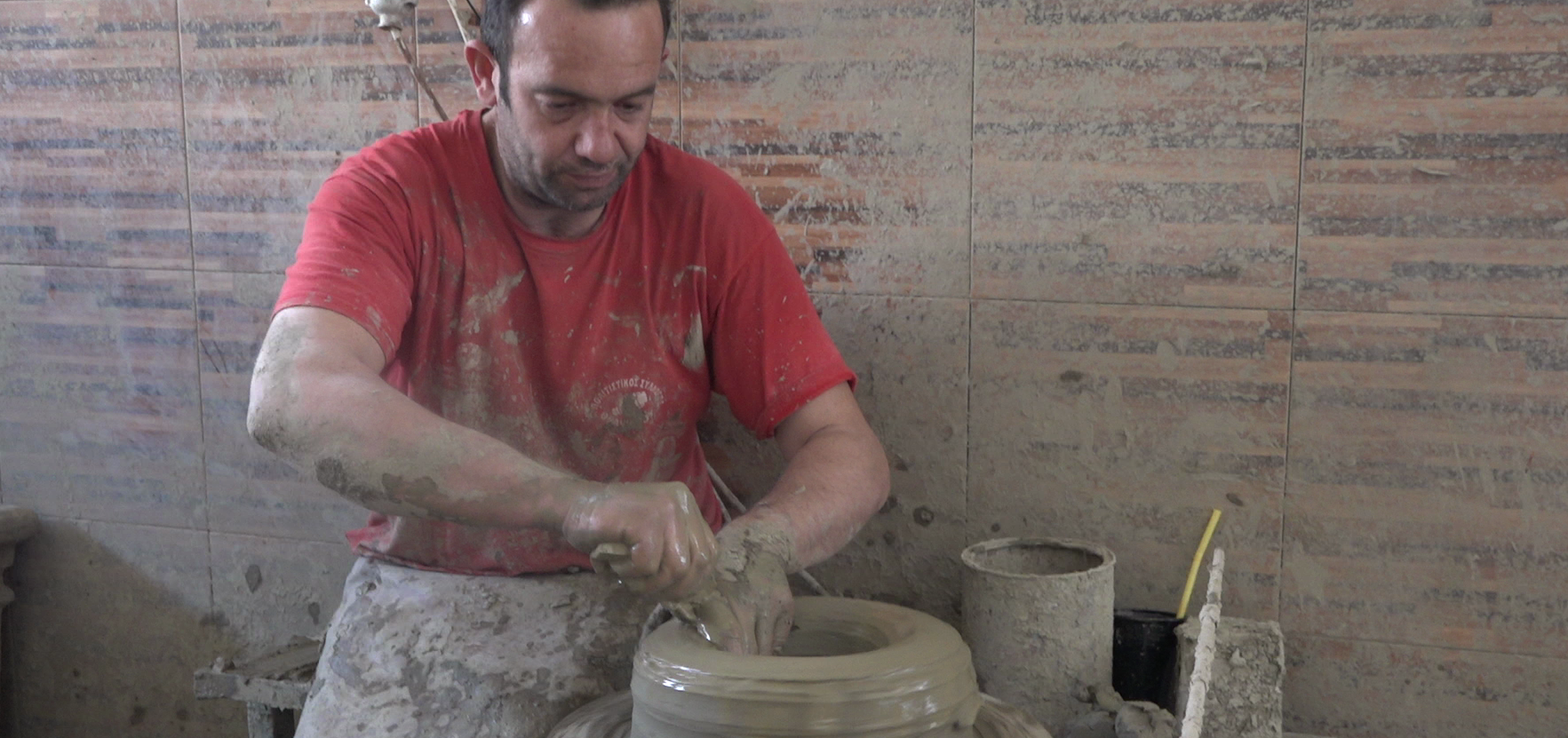
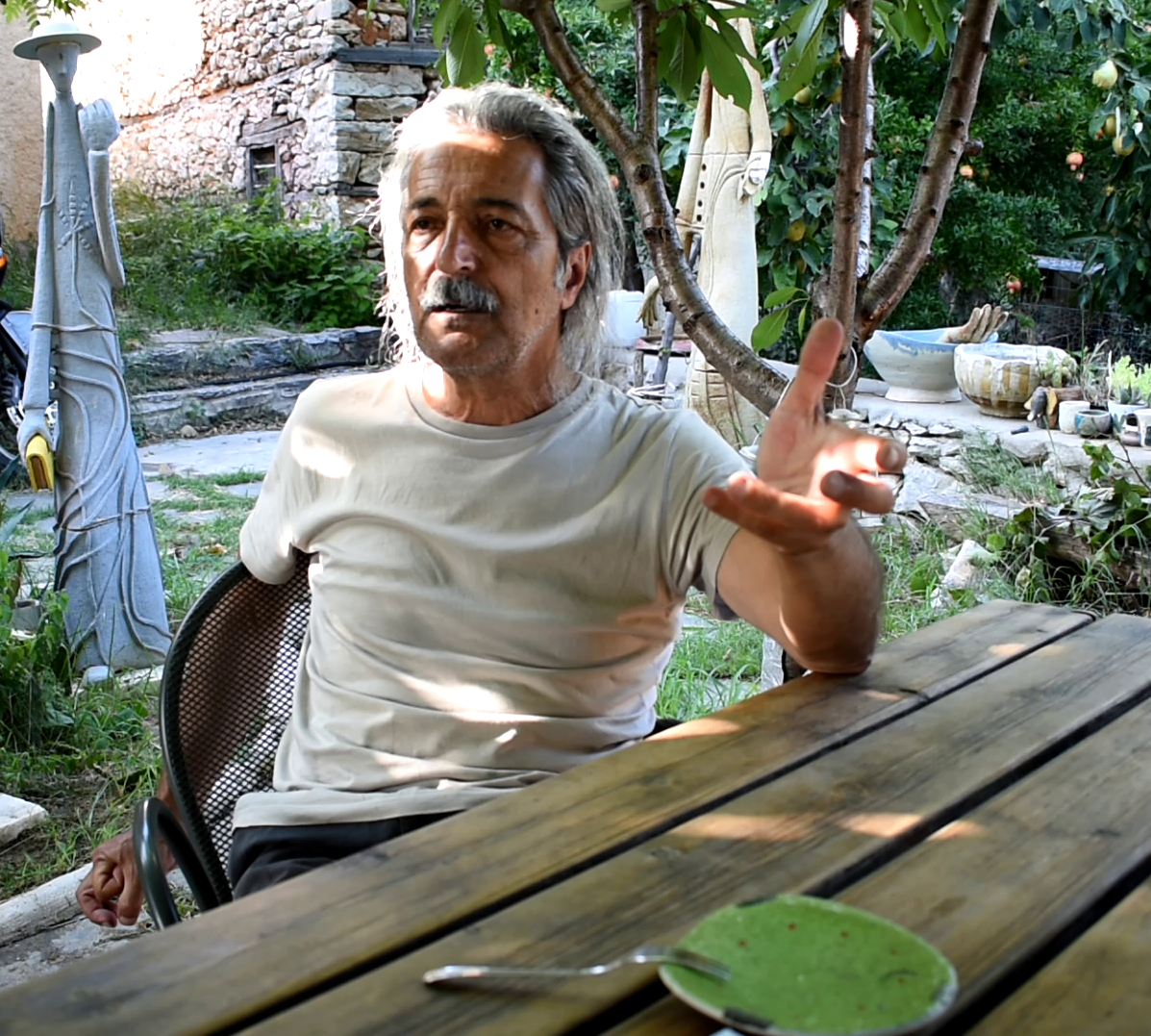
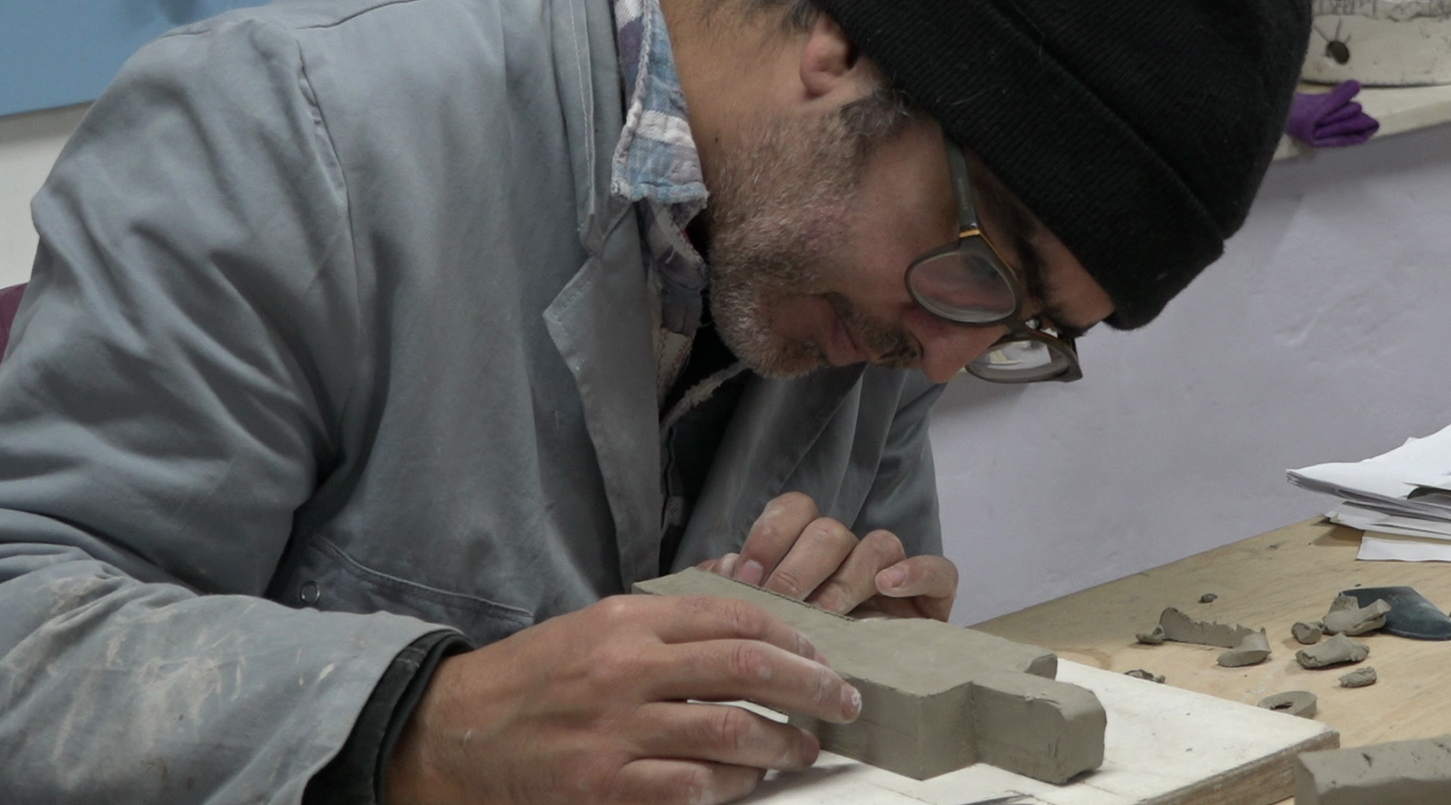
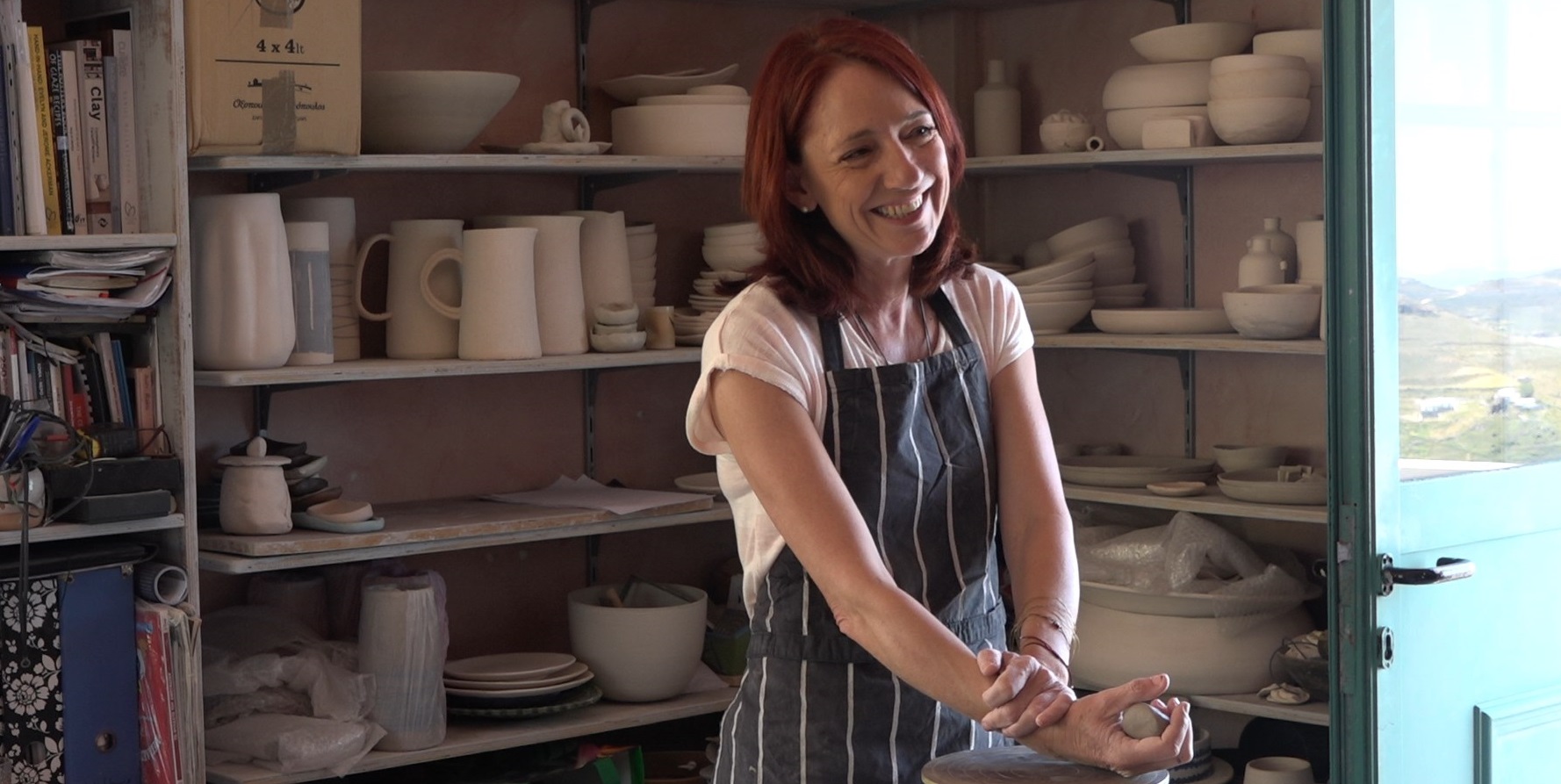
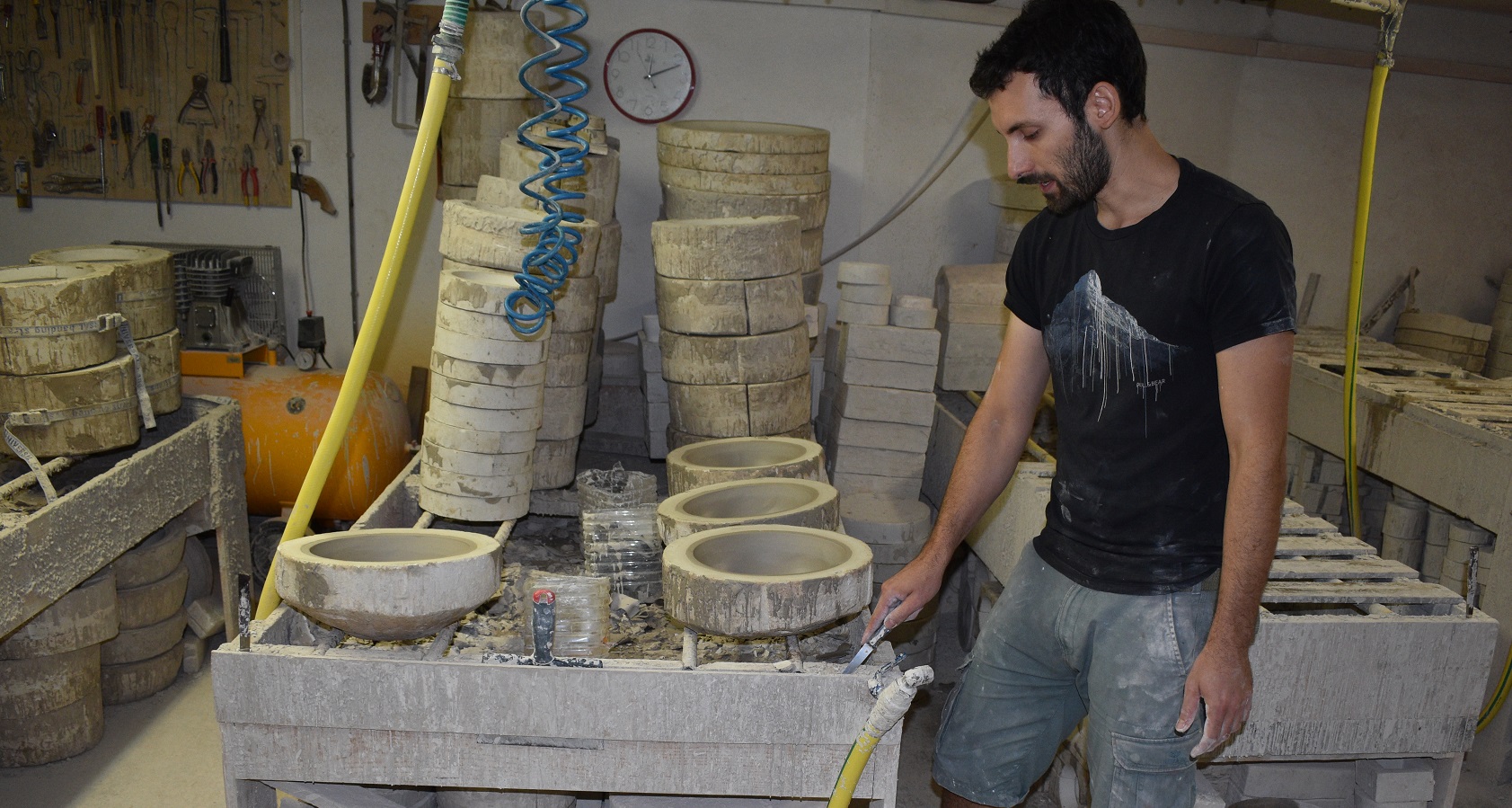
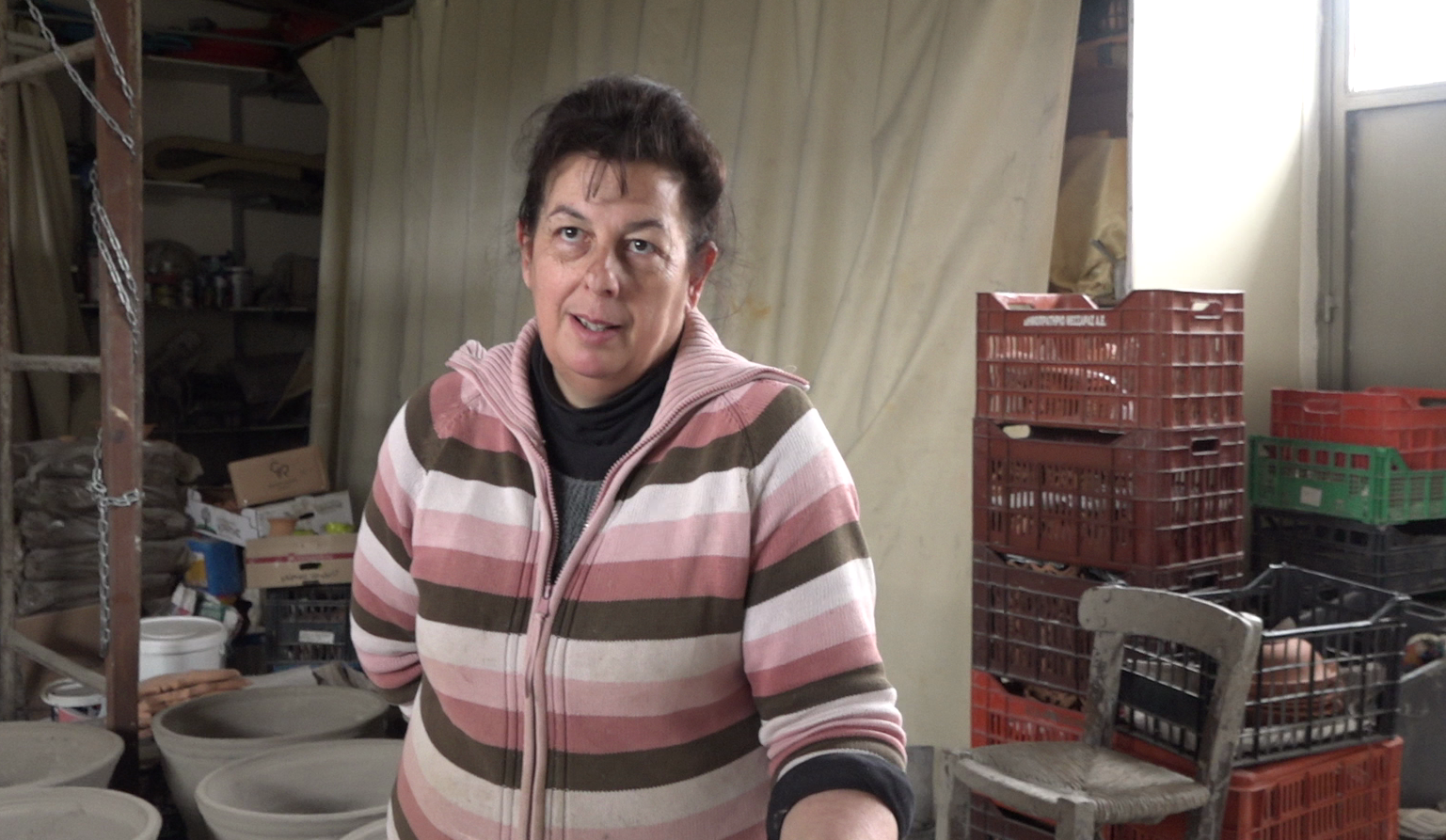
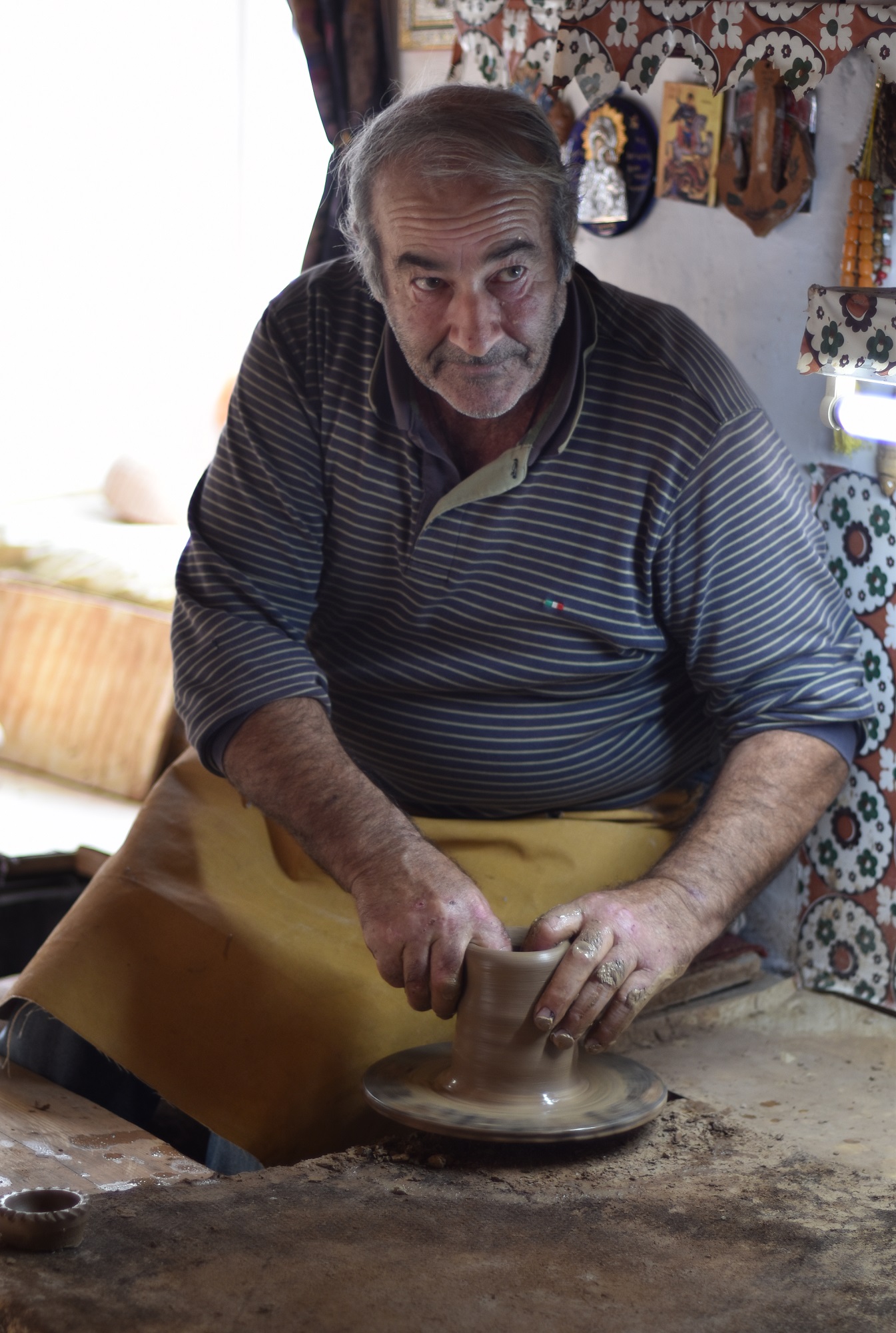
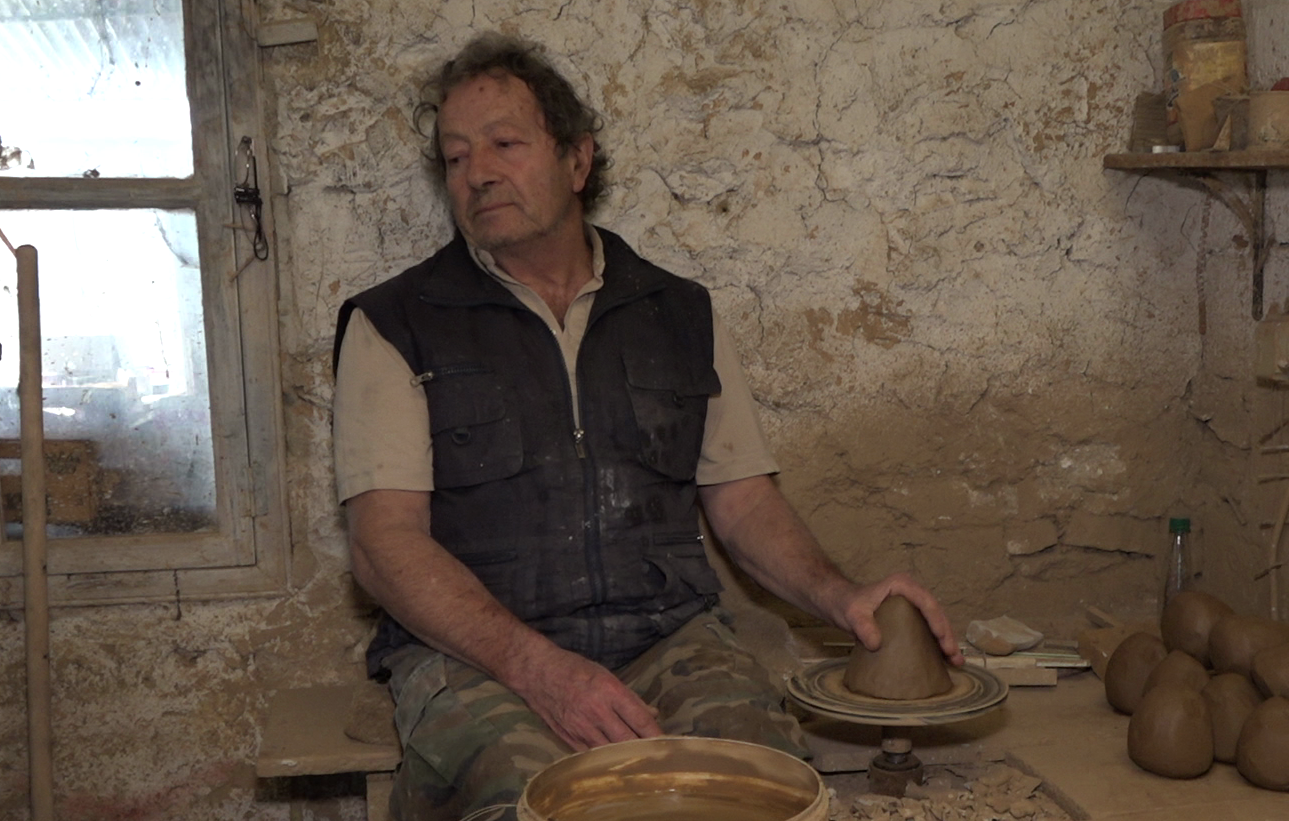
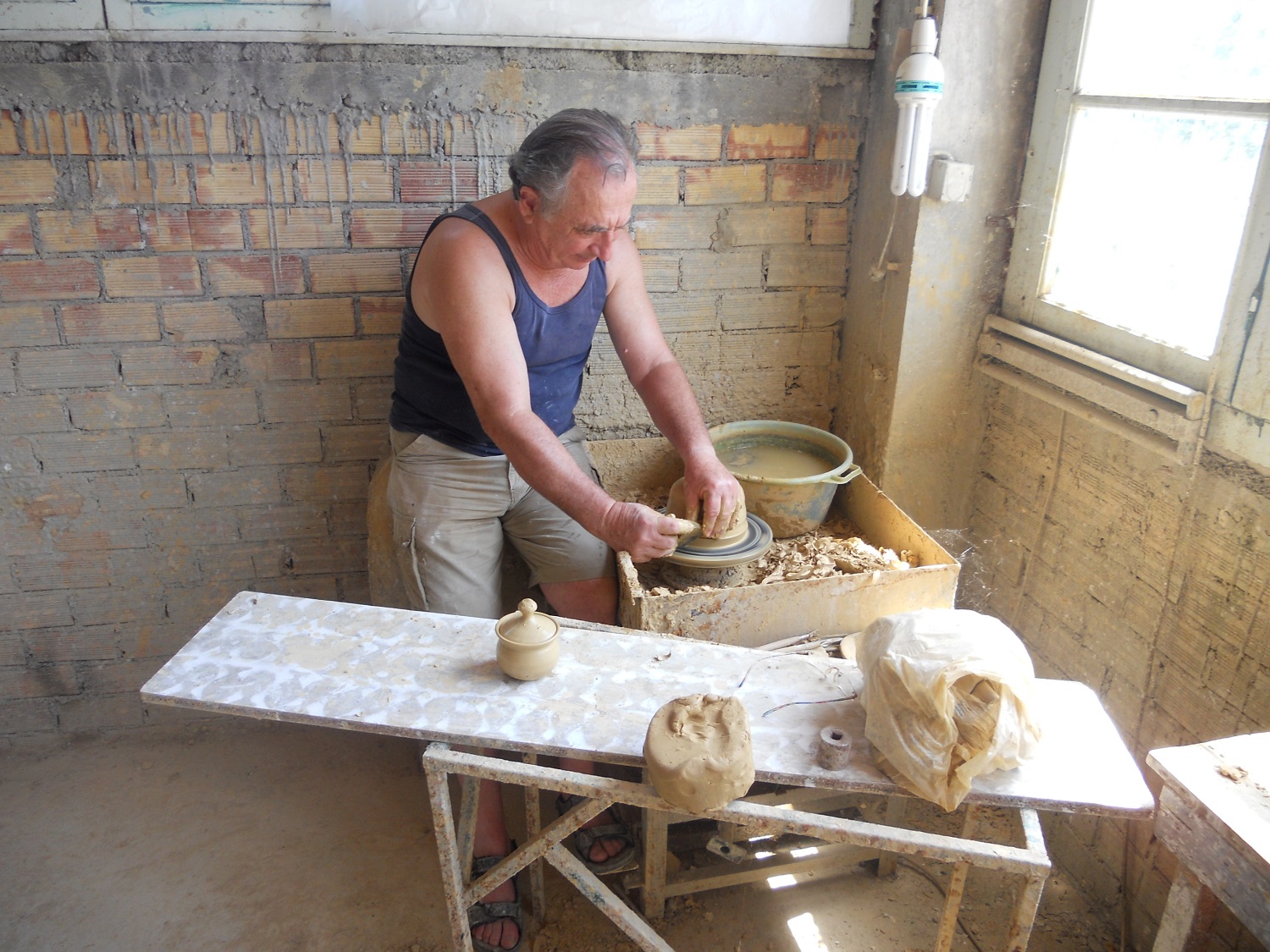
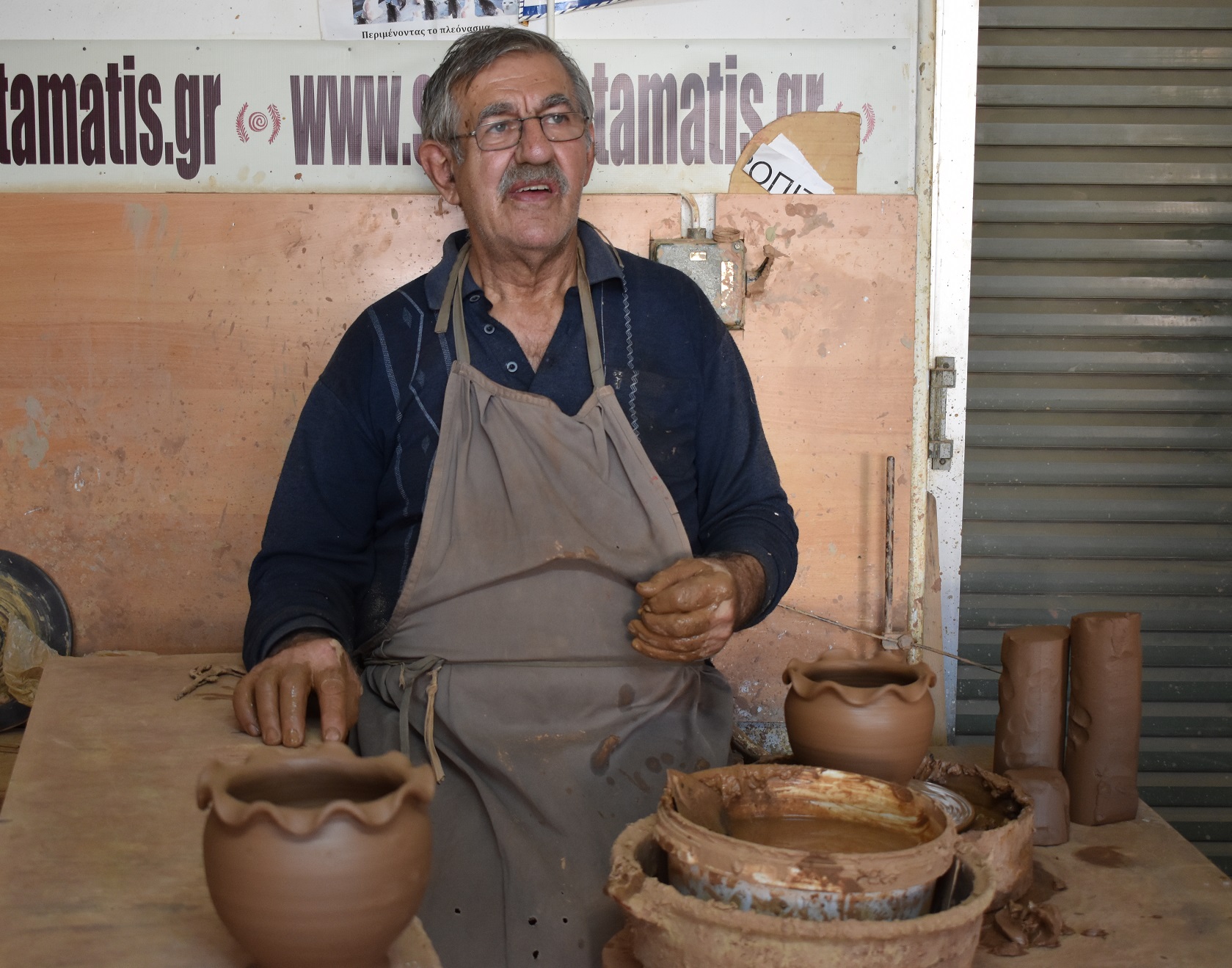
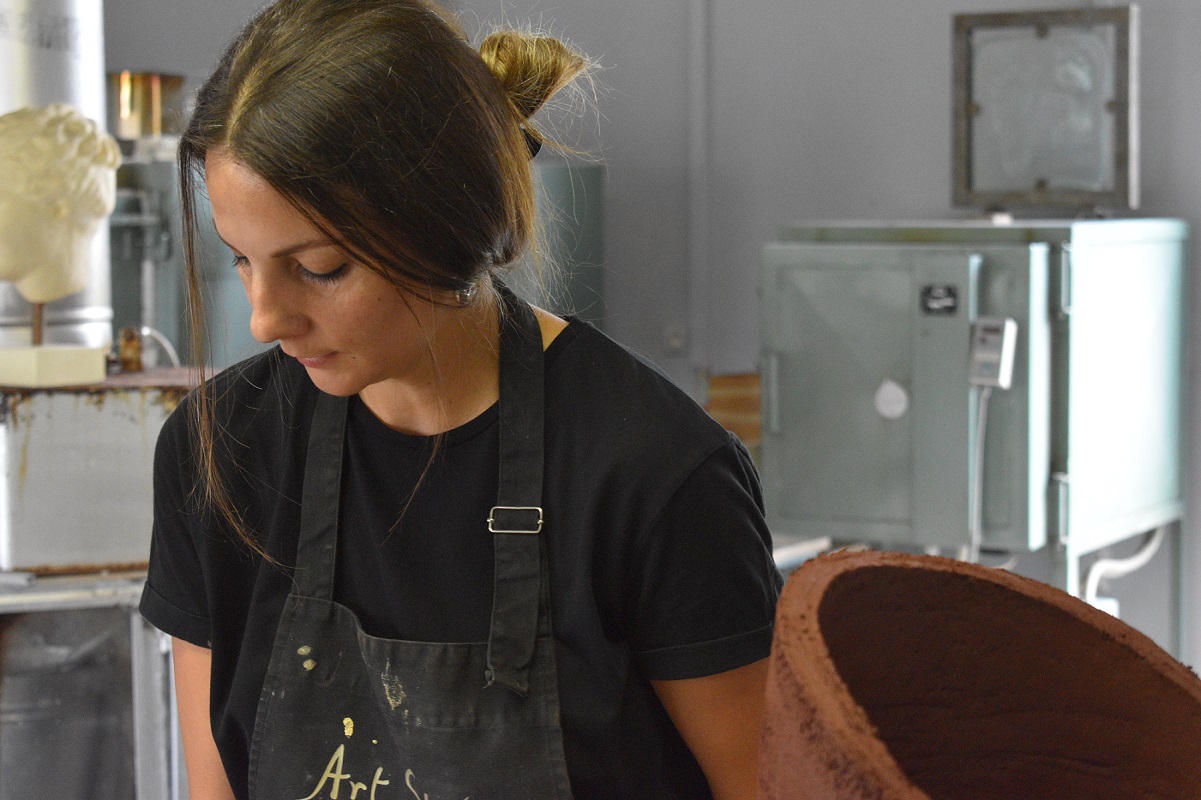
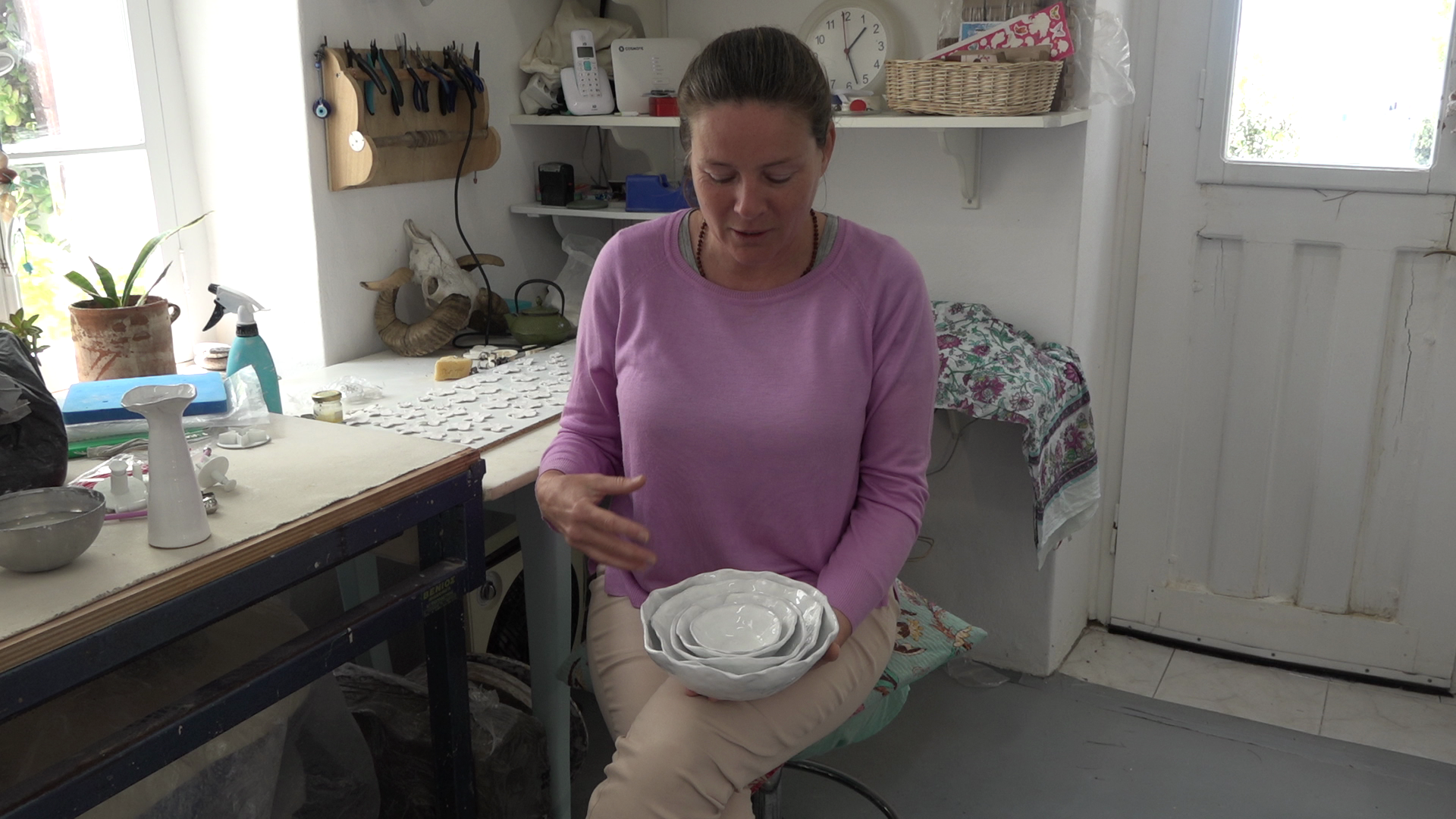
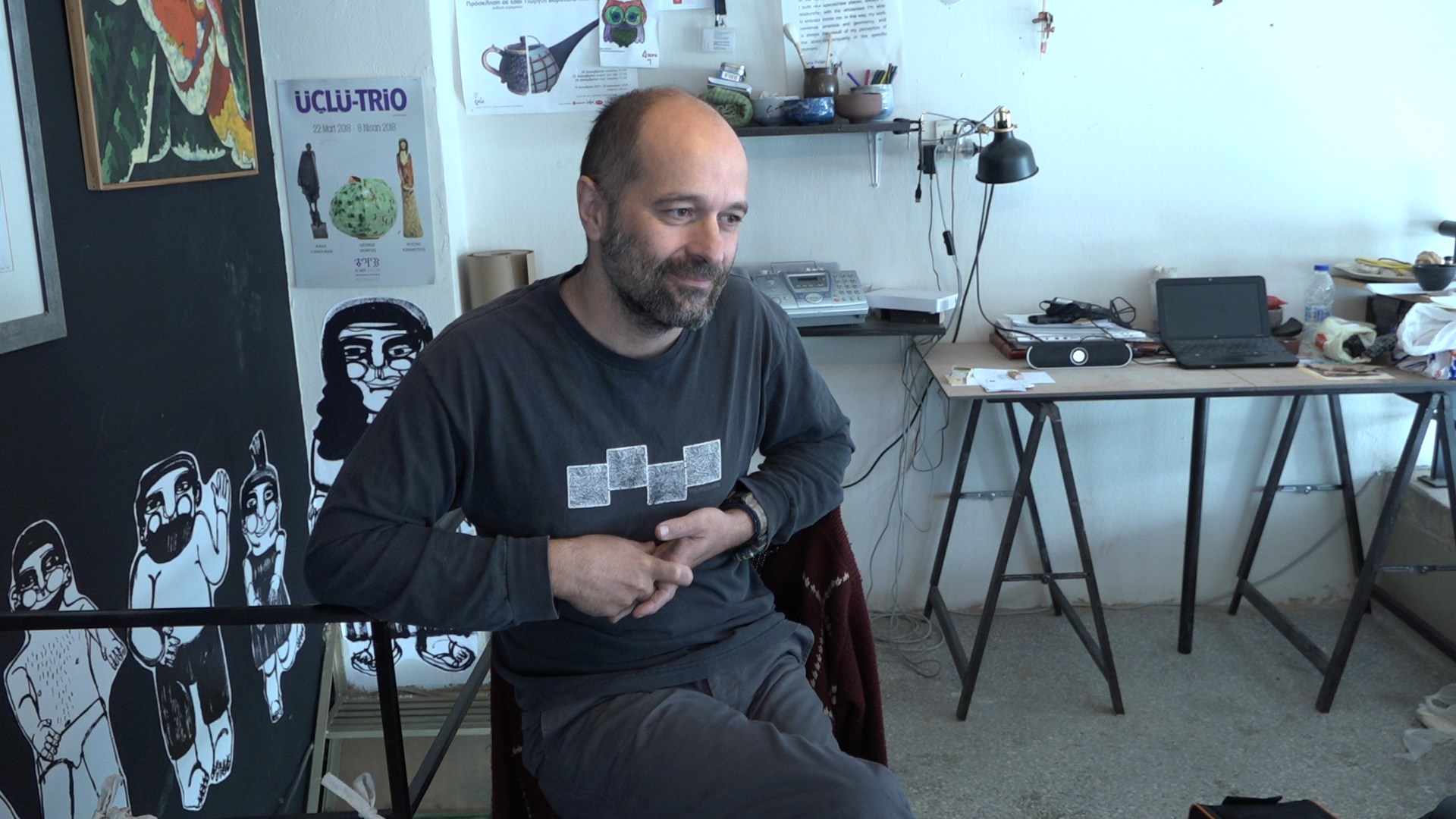
Our research team is cross-disciplinary bringing together a variety of expertise and bridging academic perspectives. Importantly, the philosophy of the HANDMADE project is participatory. We study handmaking with the potters, by means of their bodies and skills. That means that the potters and ceramists who participate in the study are actively working with our research team, experimenting with multisensory forms of intervention and representation. They are encouraged to reflect on the process, look at our videos and in general play an active role in the interpretation of the visual and experiential data captured in different transitional phases. We are trying to learn from the potters the language of clay, hoping to reach a level of mutual involvement or coupling between the observer and the observed that will allow us to understand how we should be thinking about the processes we study, what questions we could be asking, where we should be looking. As a consequence of that, the design of our specific methodologies is constantly evolving during the course of the project in conversation with the potters we meet and the techniques we record.

Professor Lambros Malafouris (Principal Investigator)
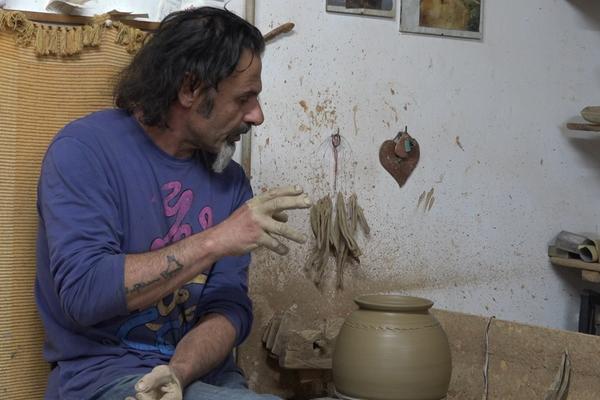
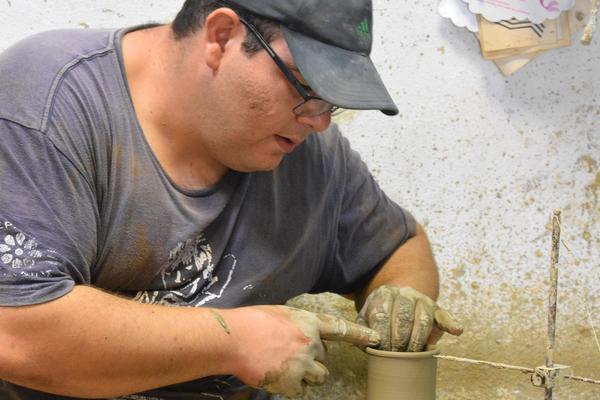


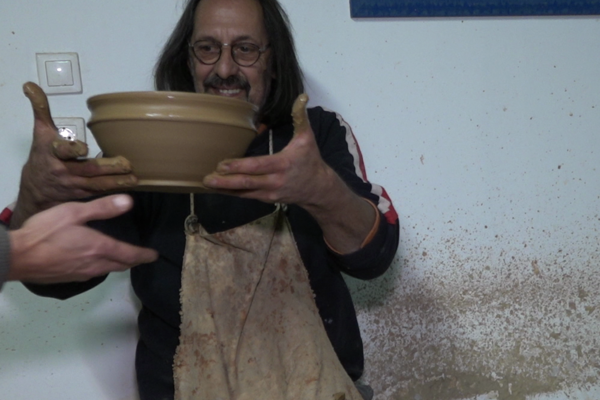


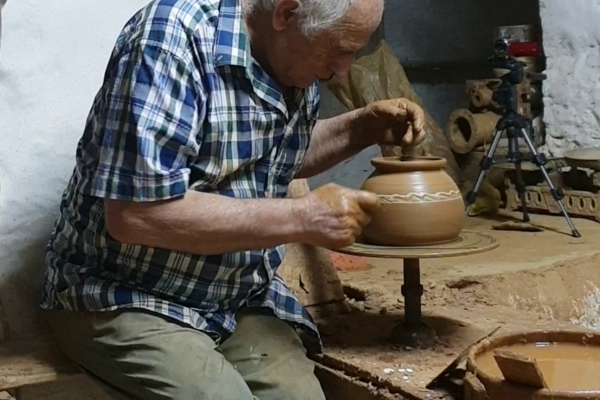
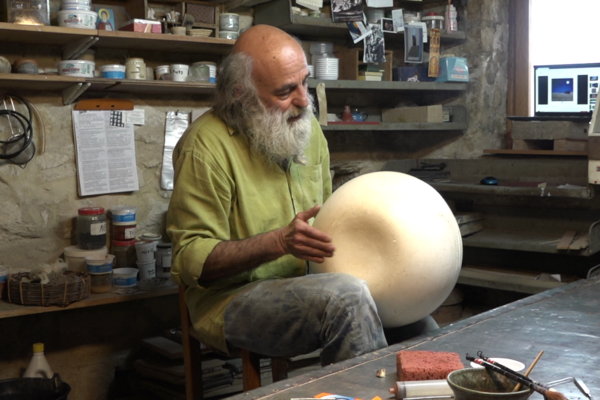
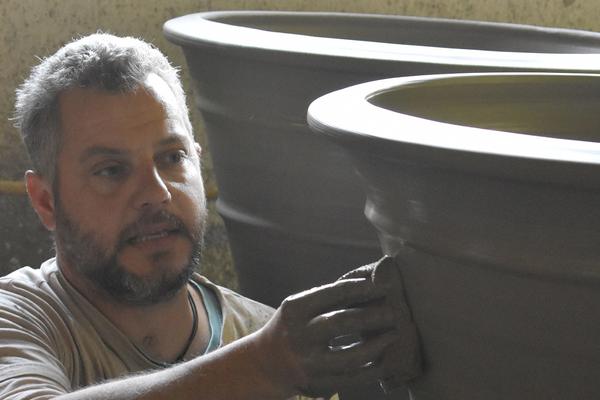
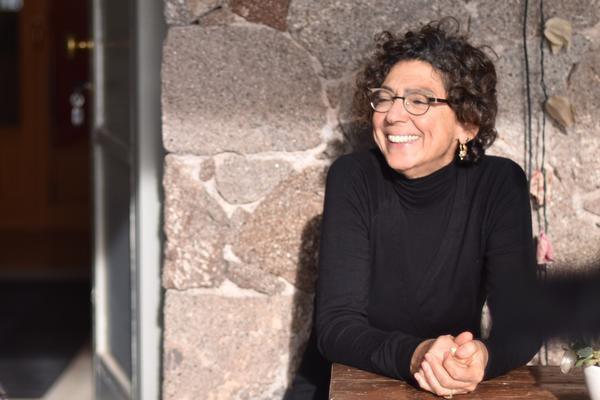
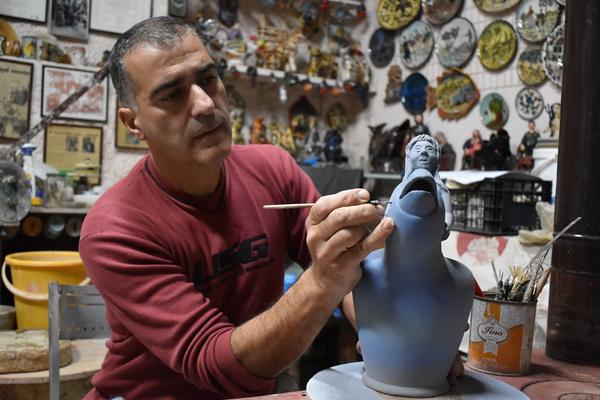
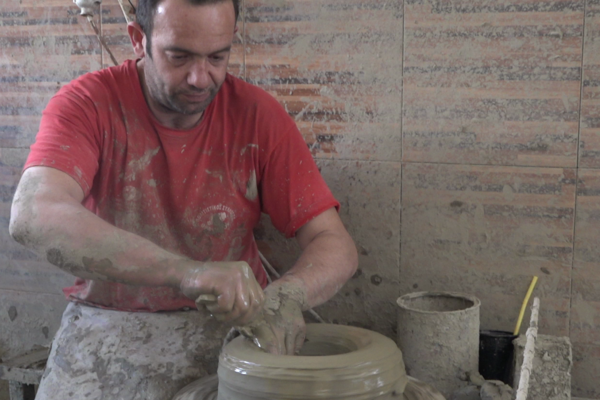
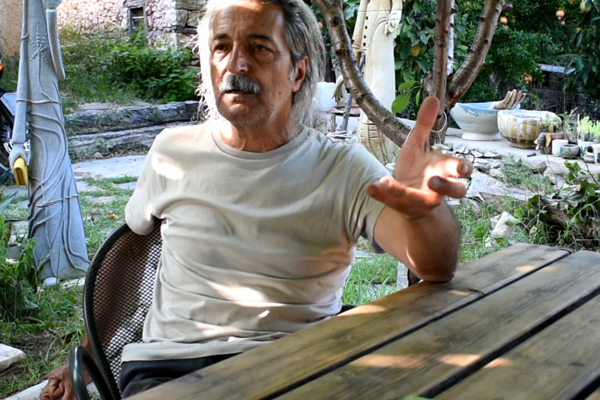
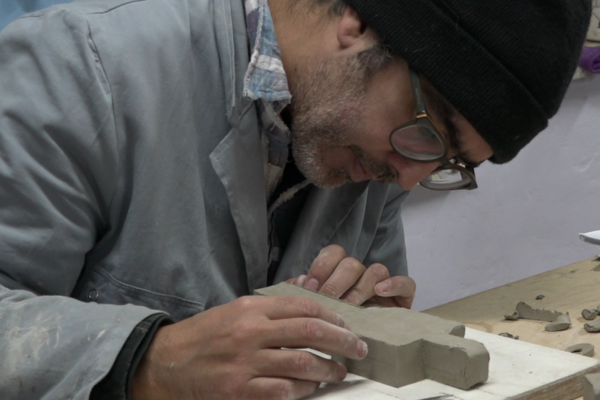
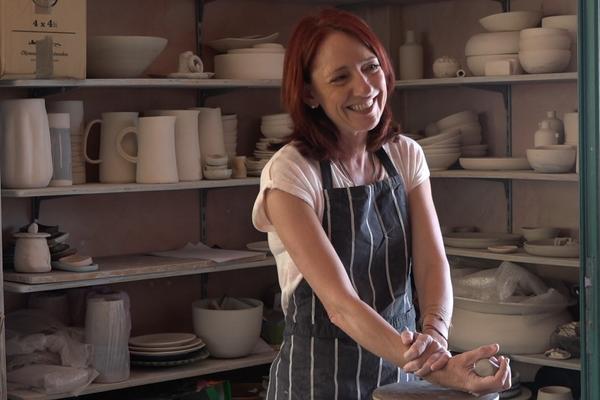


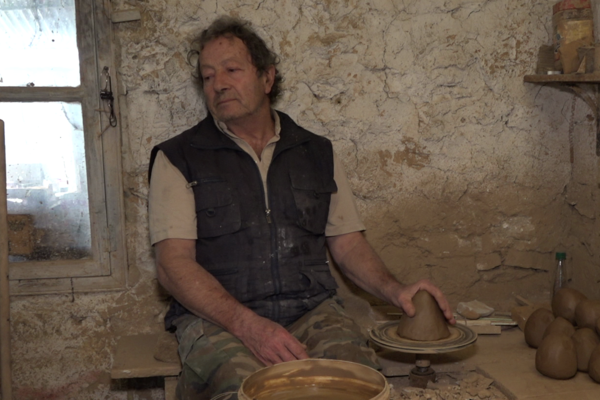
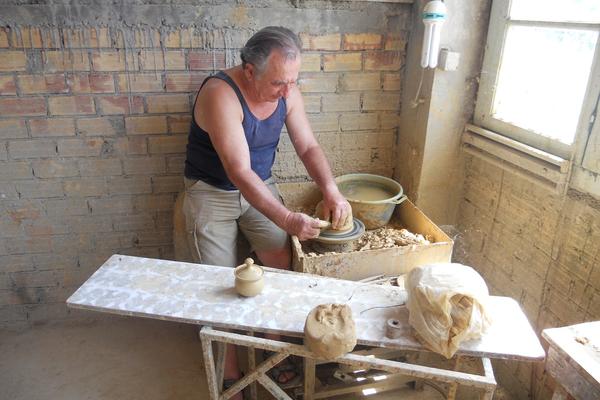


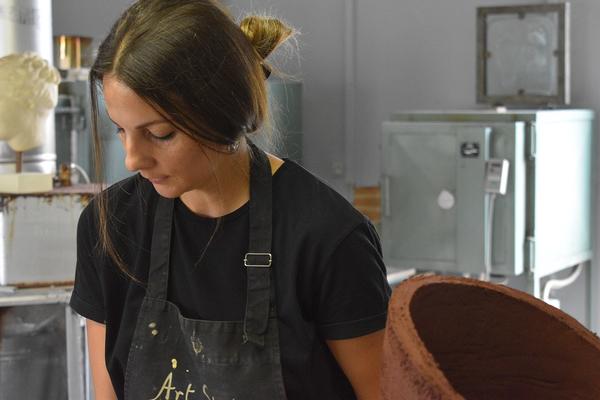

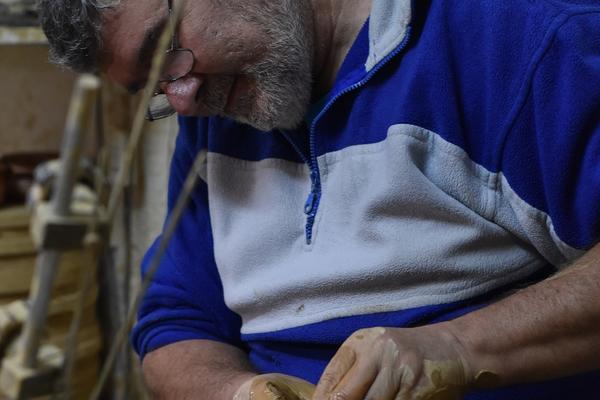


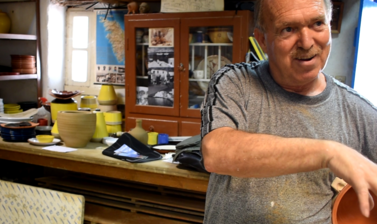


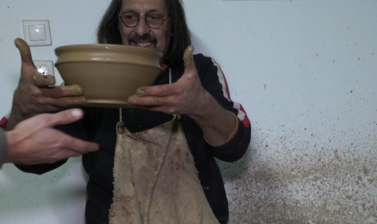


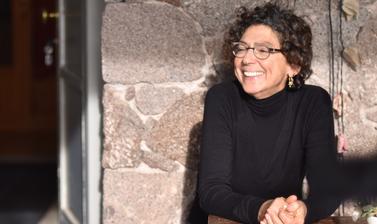
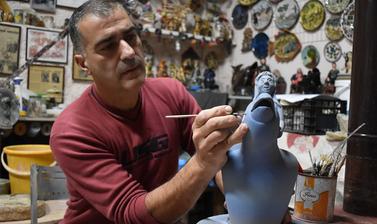
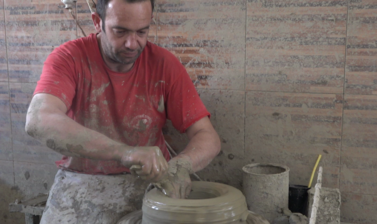
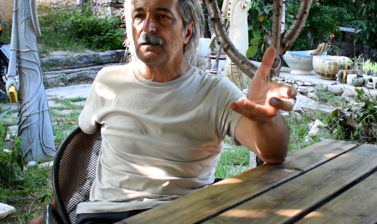


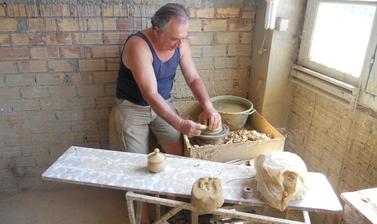
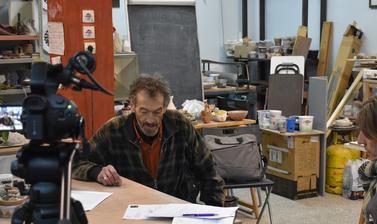

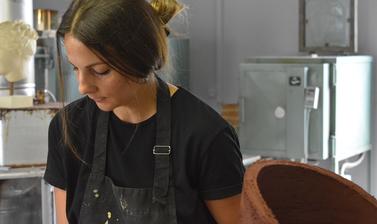
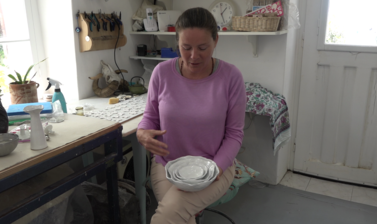
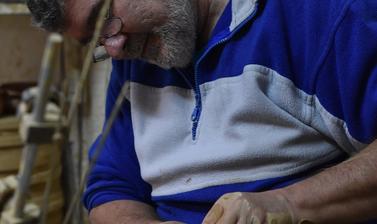


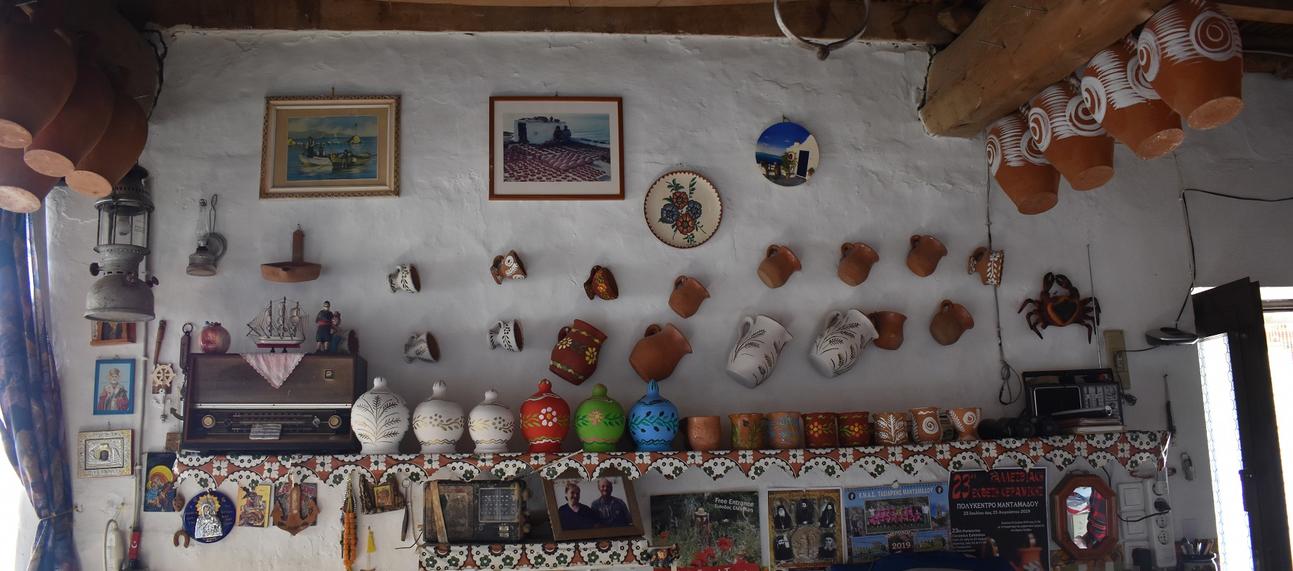
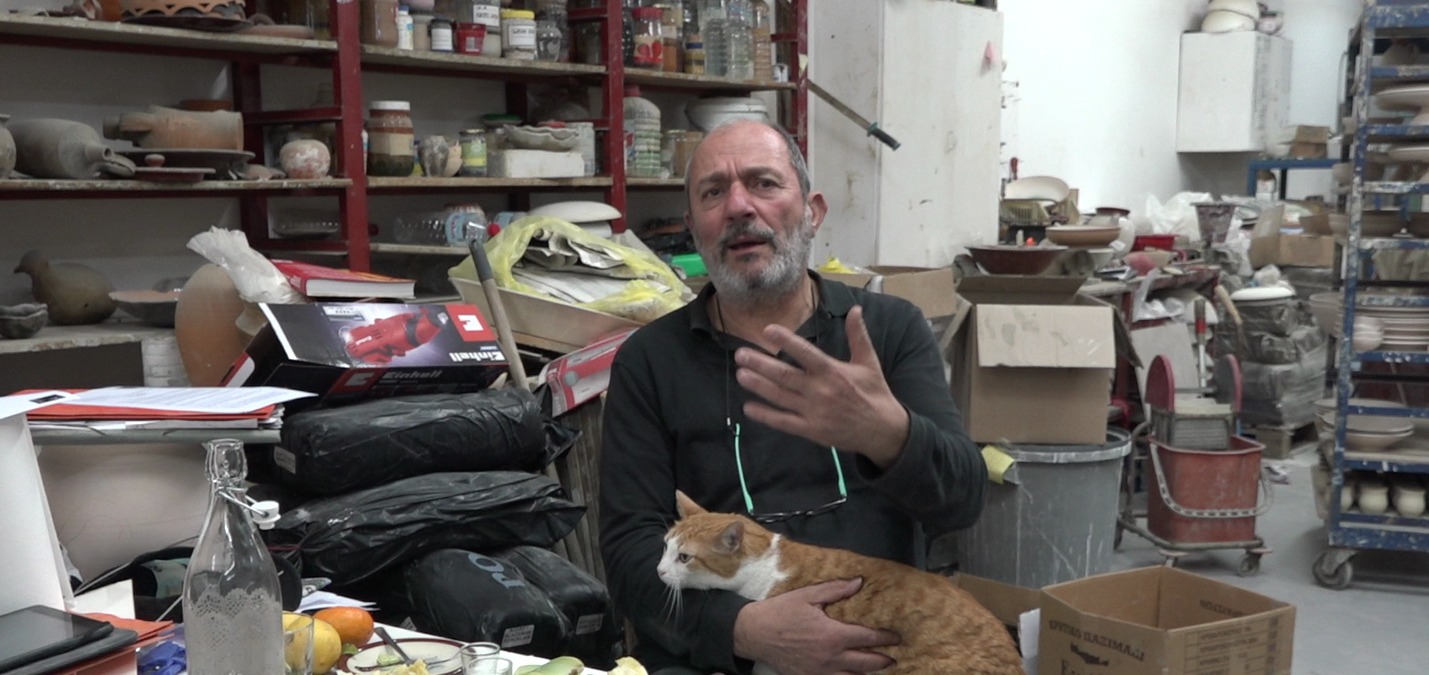
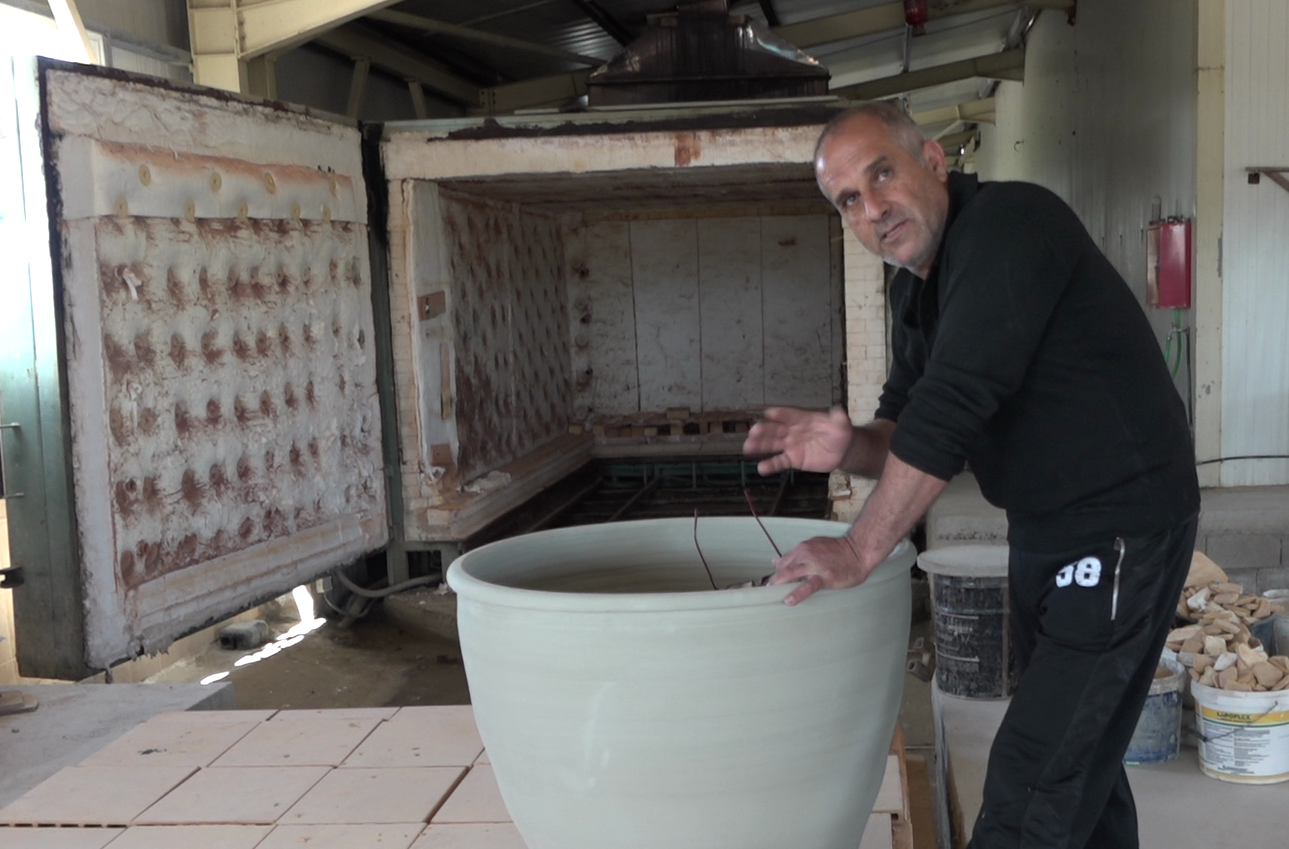
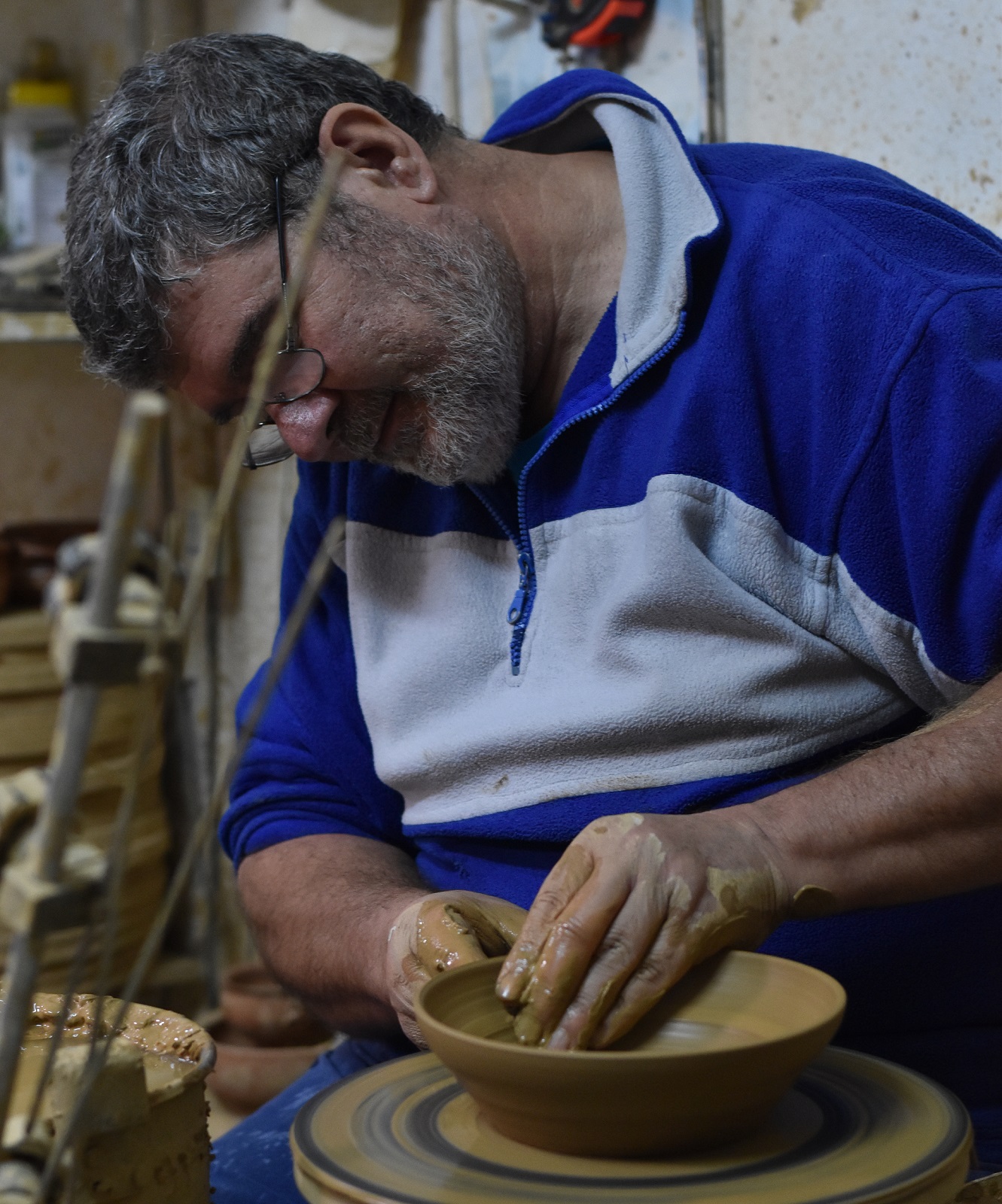
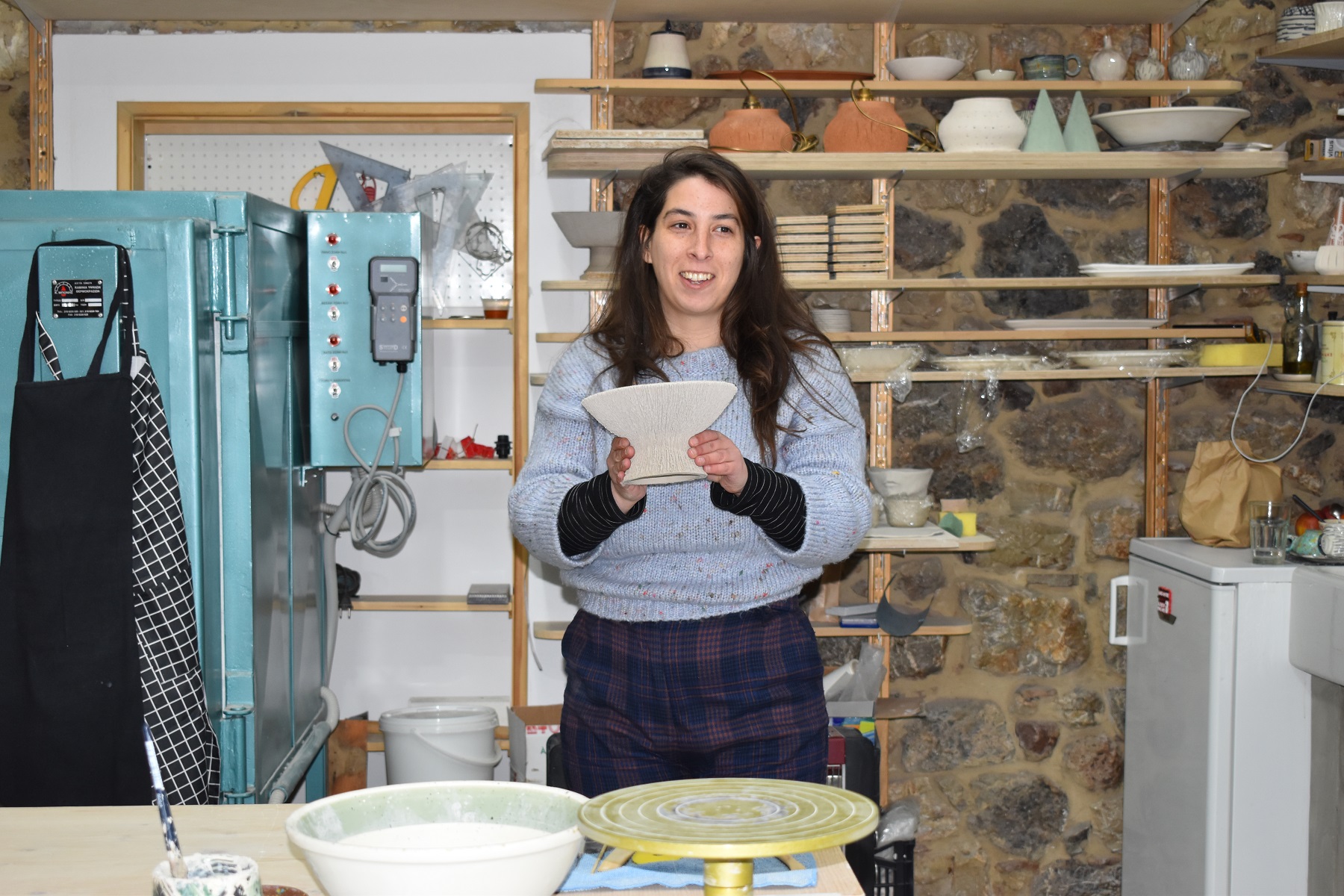
We undertake ethnographic fieldwork in more than thirty ceramic workshops spread all across Greece. Some of the workshops can be found on the mainland, in: Macedonia (Thessaloniki, Serres, Avramilia), Thessaly (Kastraki), Central Greece (Athens, Perama), and Peloponnesus (Kalambaka). Most of them, however, can be found in one of Greece's many islands. Crete, for one, is home to many of these workshops (Thrapsano, Margarites, Paidochori, Kokkini Hani). Others are located at the Ionian island of Zakynthos (Maherado, Marineika, Vasilikos). And of course a great number of them are based on one of the Aegean Islands. We have thus far visited workshops in: Sifnos (Livadas, Apollonia, Kamares, Cherronisos, Tsopos Vathi), Serifos (Kato Chora), Lesvos (Agiasos, Agios Stefanos, Mantamados), Chios (Armolia, Mesta), and Samos (Koumaradei, Manolates). The workshops have been chosen to provide insights into regional variability and the differences (or similarities) between both hand-building and wheel-thrown techniques. We are following the ways of the hand and observe the forming of clay trying to bring out unnoticed patterns of connectivity.


The HANDMADE project is studying pottery making as a form of thinking and feeling with and through clay.
The major research aims are:
• to record, describe, compare, analyse and articulate the constitutive processes, as well as the varieties of consciousness, haptic sensations, memories and agencies that are needed to bring the handmade object to life.
• to study the ways of knowing and forms of creativity associated specifically with the human hand. What, if anything, is special about the process of making by hand? Why does it matter and what does it mean to say that the human hand is the primary agent of transformation in the creation of forms?
• to explore how the focus on the hand can help us think about the changing craft’s relation to design and to art, especially nowadays where aesthetics and design are increasingly determined by digital media and disembodied forms of fabrication.
To achieve our objectives we introduce, develop and apply a set of cross-disciplinary concepts, methods and empirical techniques.
Material Engagement Theory
Our research procedure is grounded on Material Engagement Theory that proposes a radical continuity between cognition and material culture. The basic working hypothesis of the HANDMADE project is that the hand does more than simply touching and sensing the properties of clay, or carrying out the orders issued to it by the brain. Instead, the hand provides the main interface through which two kinds of plasticity, the plasticity of clay and the plasticity of brain, come together, exchange information, and engage with one another. The creative process cannot be found before or outside the throwing or the shaping of clay. Rather, creativity is in the throwing, in the shaping. The material engagement approach offers the necessary means for conceptualising action as thinking and thinking as action.
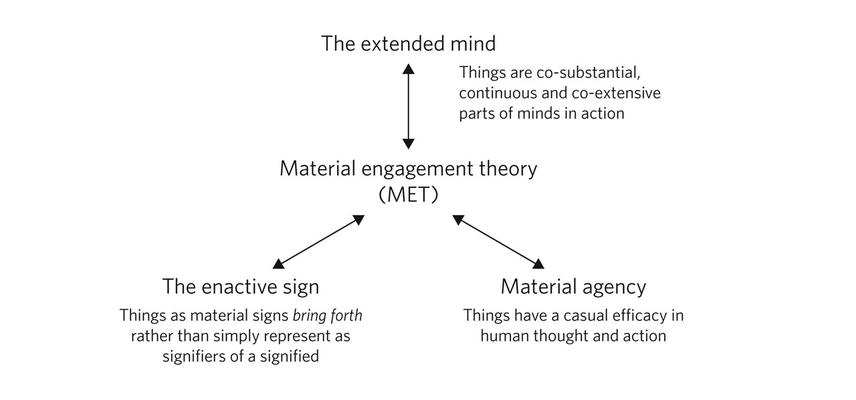
Material Engagement Theory (MET) has three major postulates: 1) Things are consubstantial, continuous, and coextensive parts of minds in action (the extended mind); 2) things have a causal efficacy in human thought and action (material agency); and 3) things as material signs bring forth rather than simply represent preformed concepts or images as signifiers of a signified (the enactive sign).
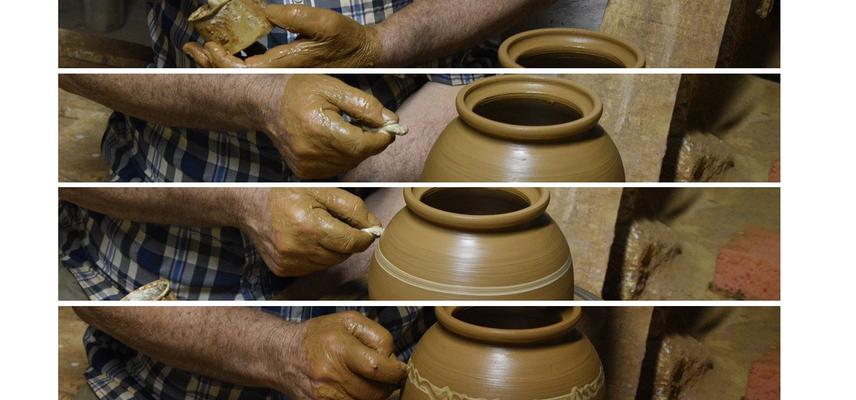
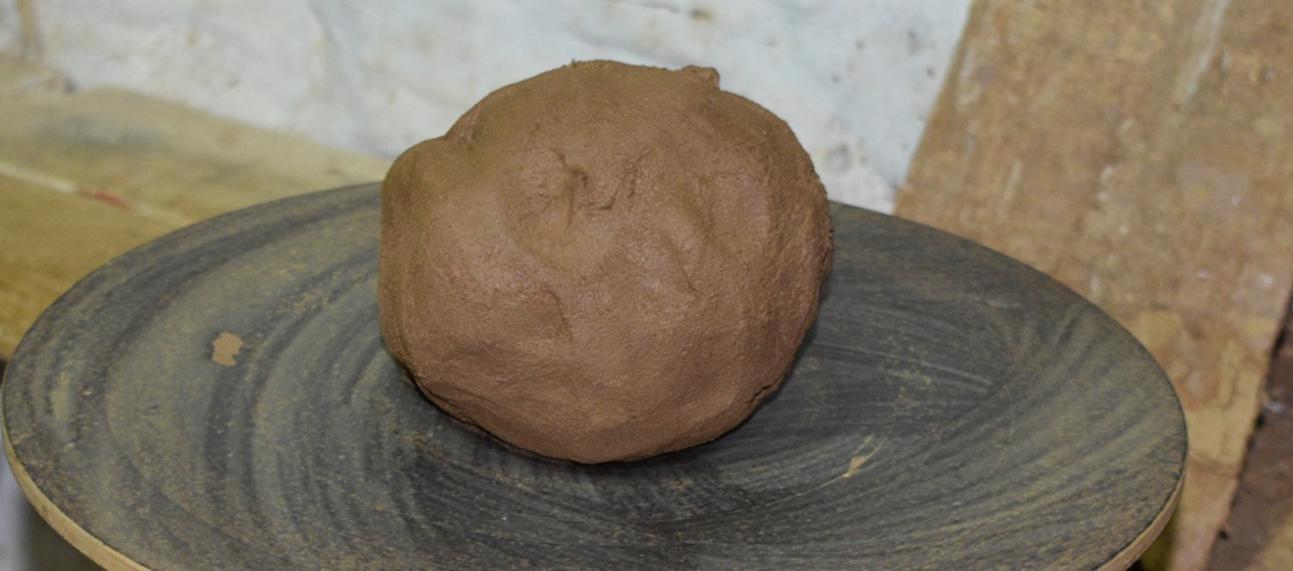
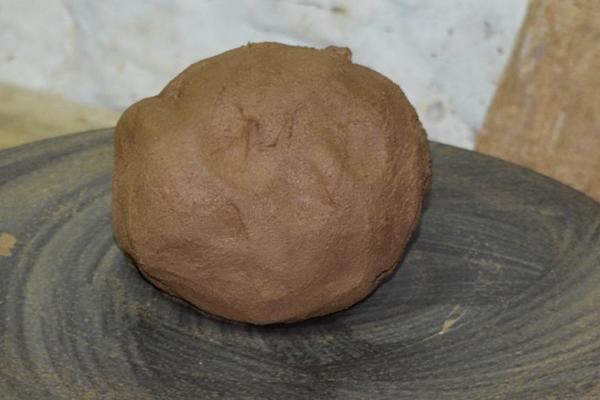
What does it mean to make a line of clay? What kind of actions, intentions, anticipations, thoughts or feelings does the making of this line entail? What kind of processes can account for the cognitive life of this line? To study those processes we require descriptions that cut across the brain-body-world divisions and methods adapted to facilitate a heightened responsiveness to the details of action and the situational affordances (interactive possibilities) of the materials involved.
Methodology
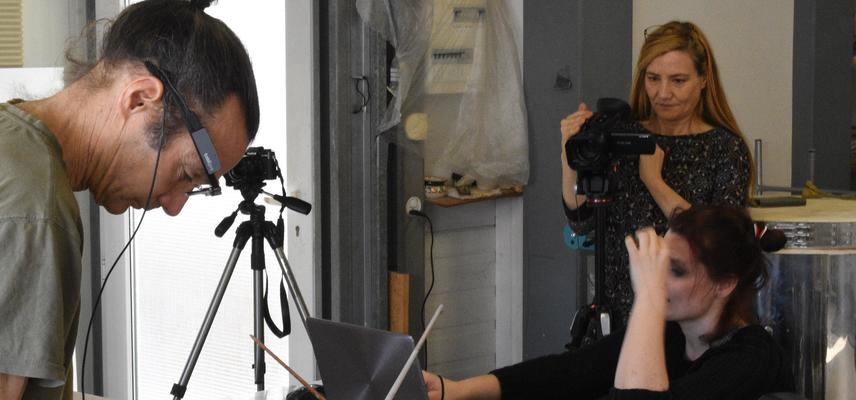
In creating a field methodology for the HANDMADE project we are building on our experience of field challenges. We are constantly experimenting and refining available techniques. In addition, we have set out to explore new methodologies opening up new lines of anthropological enquiry. Specifically, we are developing a set of event-focused and process-oriented methods of kinaesthetic imaging and eye-hand tracking adapted to the study of craft and creative material engagement. We undertake multi-sited participant observation and use videography. Moreover, we incorporate phenomenological interviewing (combined with photo and video elicitation) as well as interaction and semiotic analysis. The project’s photographer assists with the production of the images. The whole team, together with the potters, have chosen the photos to be used for discussion. In addition, we experiment with alternative media of observation, representation and intervention, for instance the use of drawings. The research process is intentionally participatory because we want the potters actively involved (to participate) in the knowledge generation process.
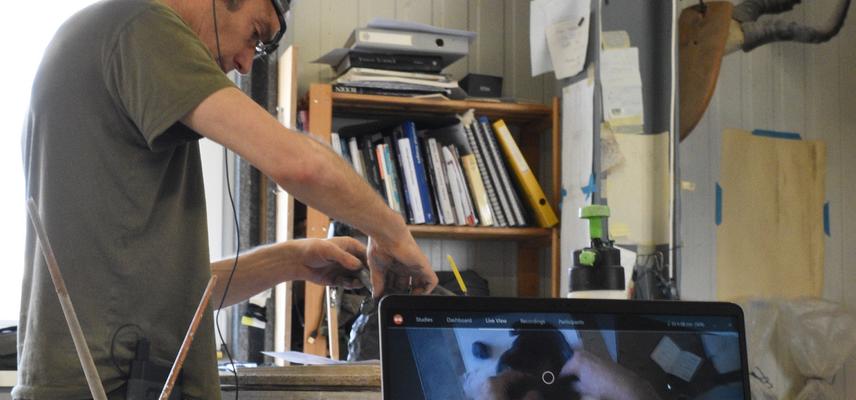
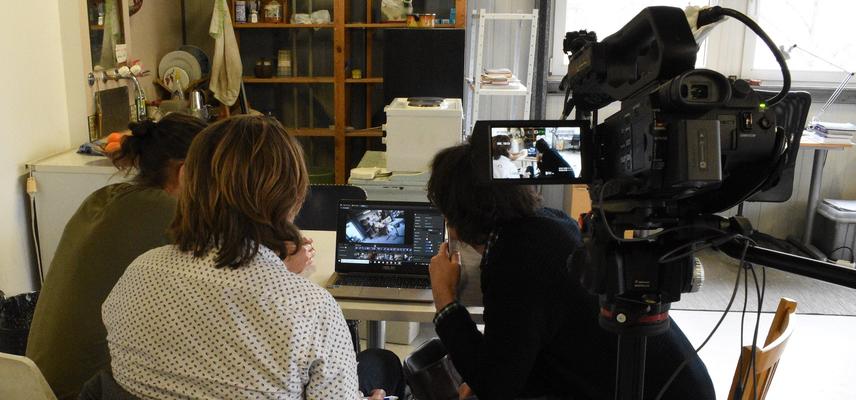
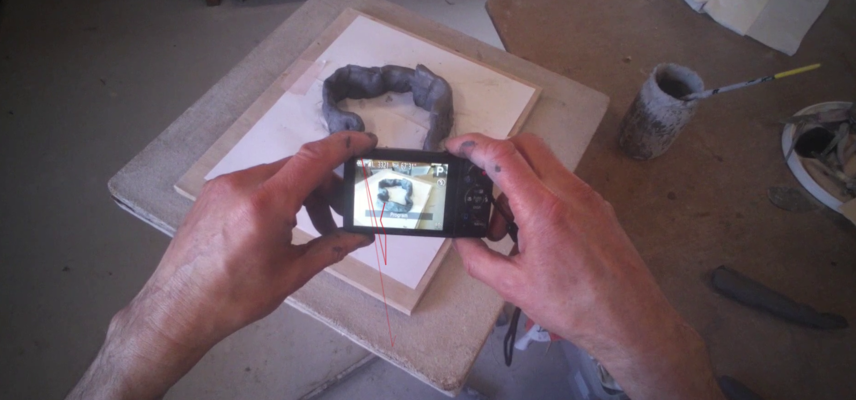
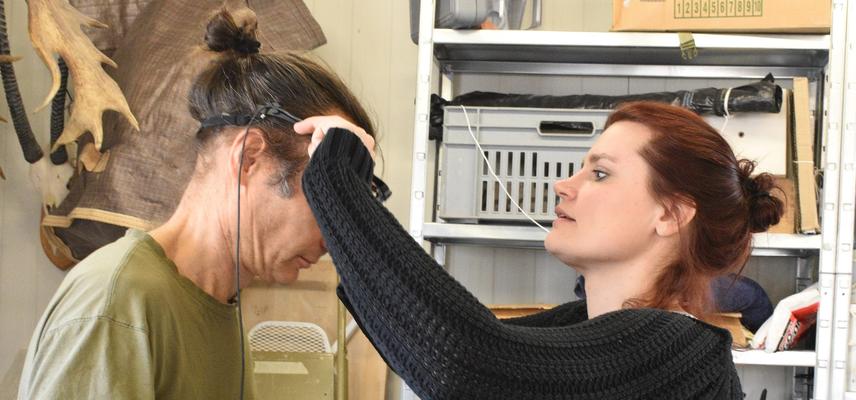
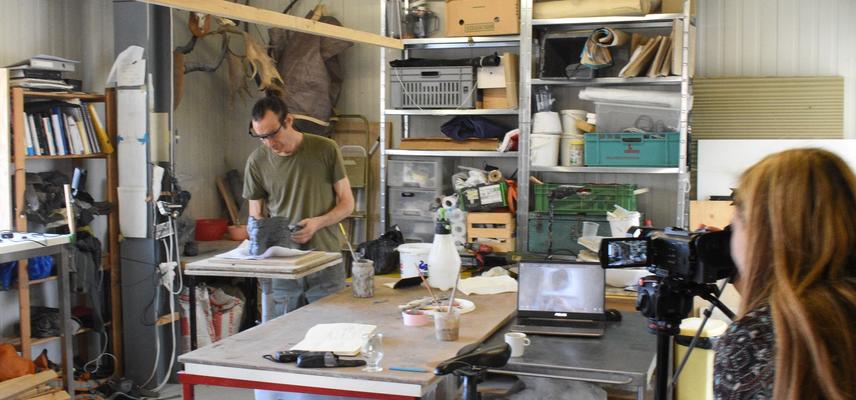
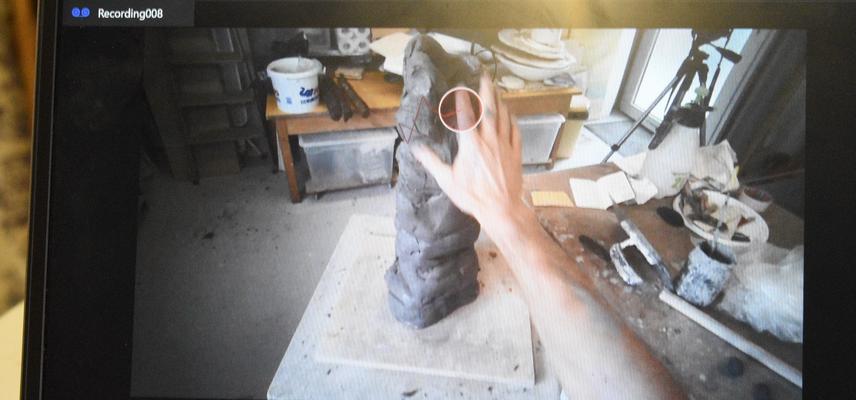
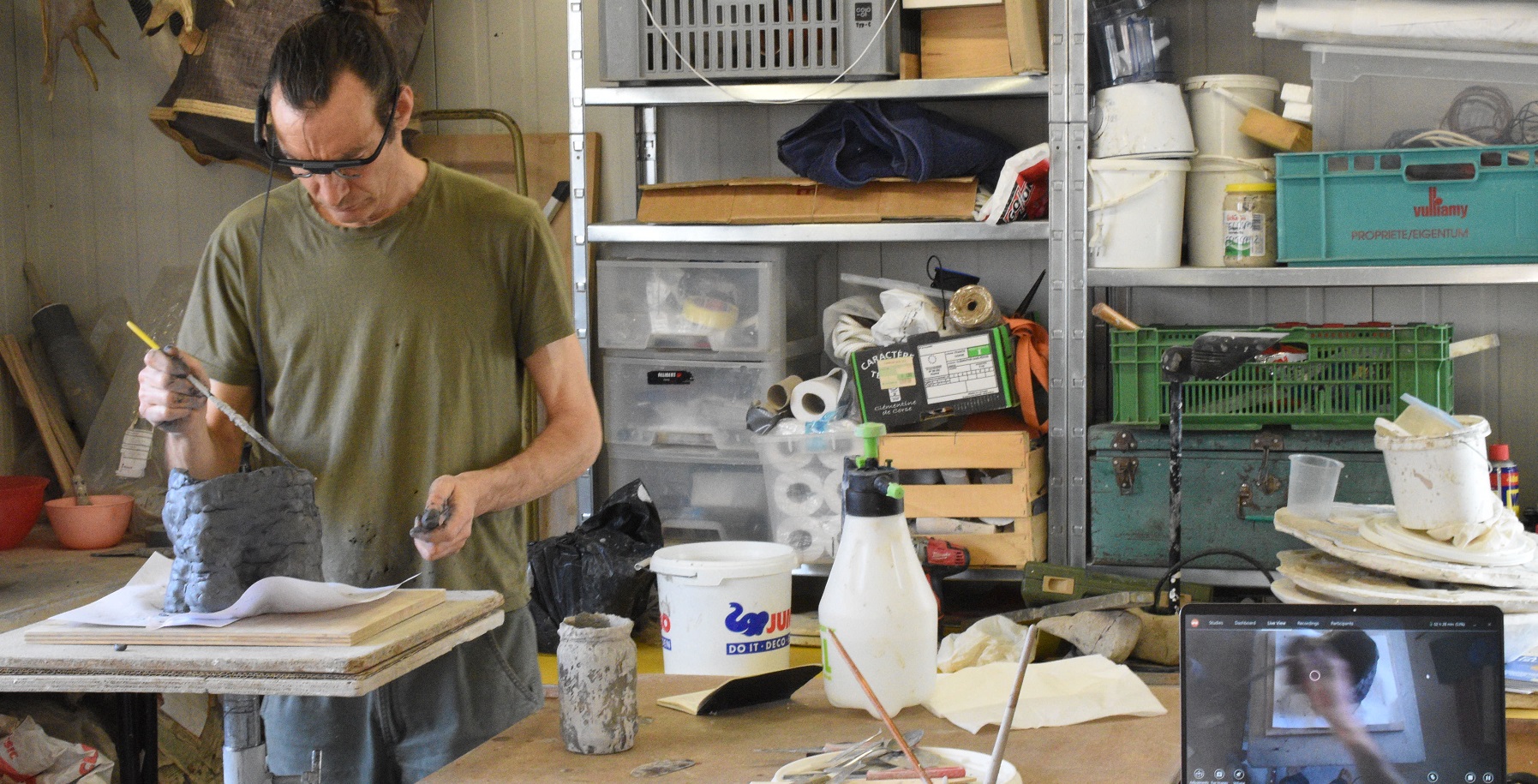
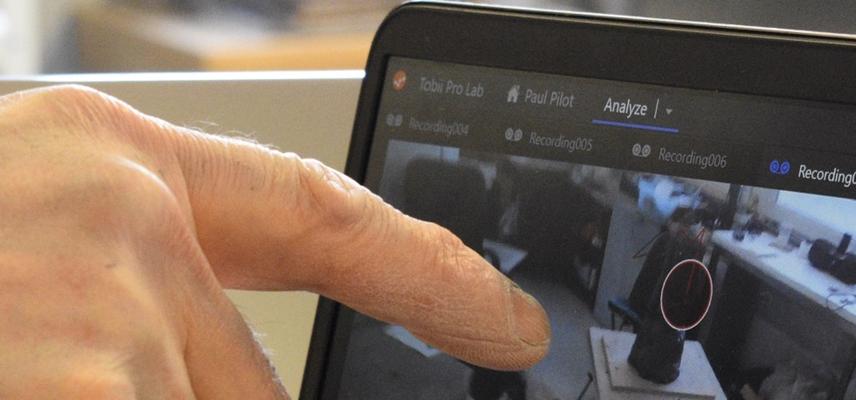
The development of portable eye-tracking in recent years allows experimentation ‘in the wild’ while action happens in real time. The process of making can be recorded, tracking the eye’s pathway in relation to the ways of the hand and the forming of clay. We use eye-tracking to capture motion and to understand how the eye of the potter touches the clay (as the hand of the potter touches the clay). Ultimately, our concern is to understand the chronoarchitecture of action. We want to be able to follow the movement of the eye parallel to the movement of the hand and use that in the photo elicitation stage. The combinatory use of various multisensory techniques enables us to image and capture the affective dynamics and temporal structure of creative gesture, as well as to compare among individuals.
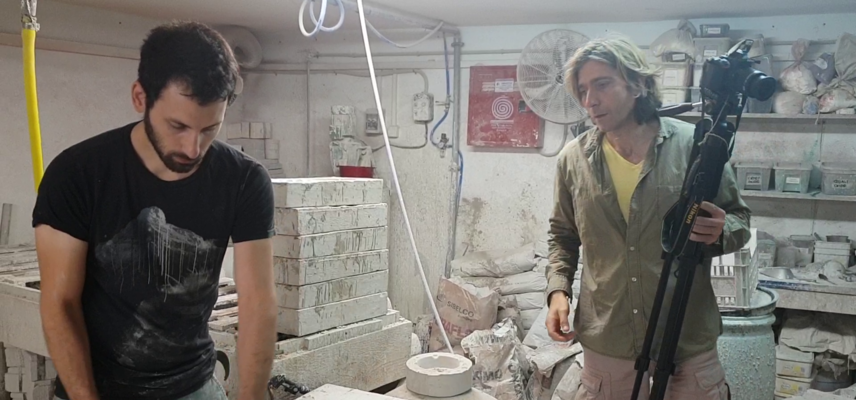
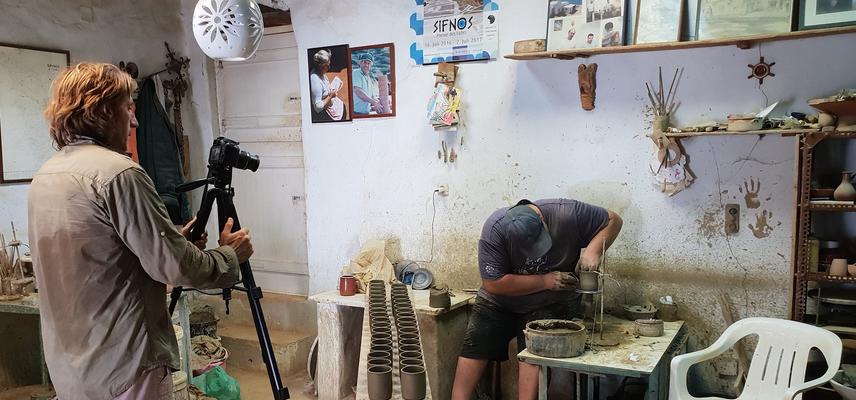
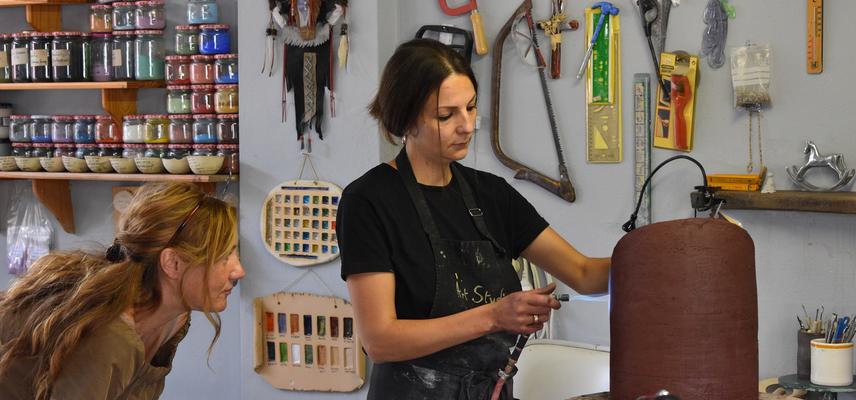
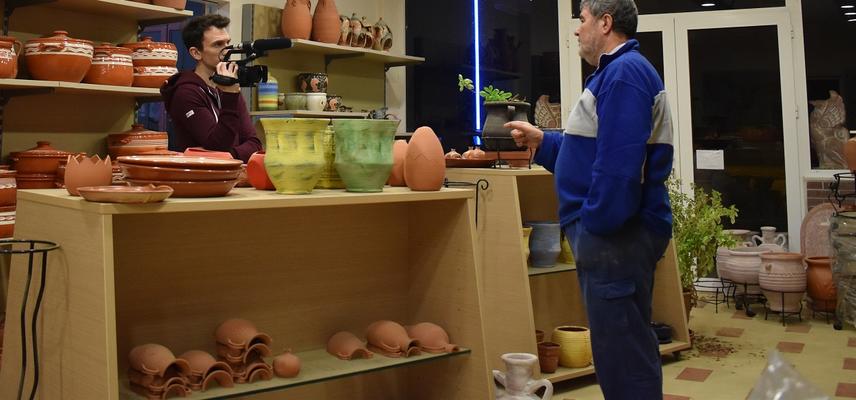
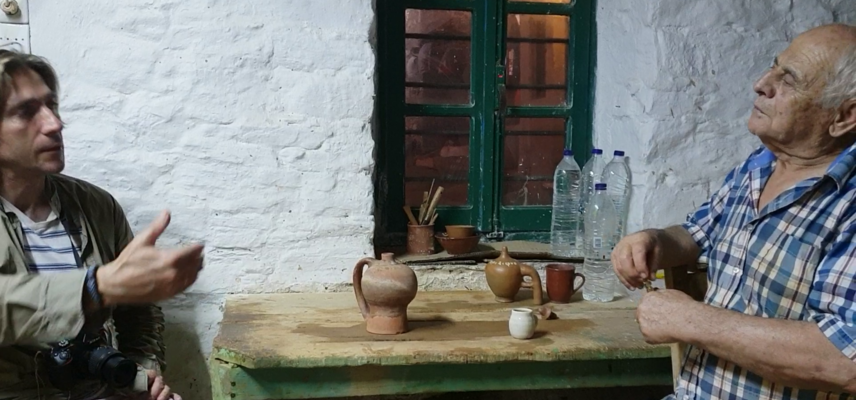
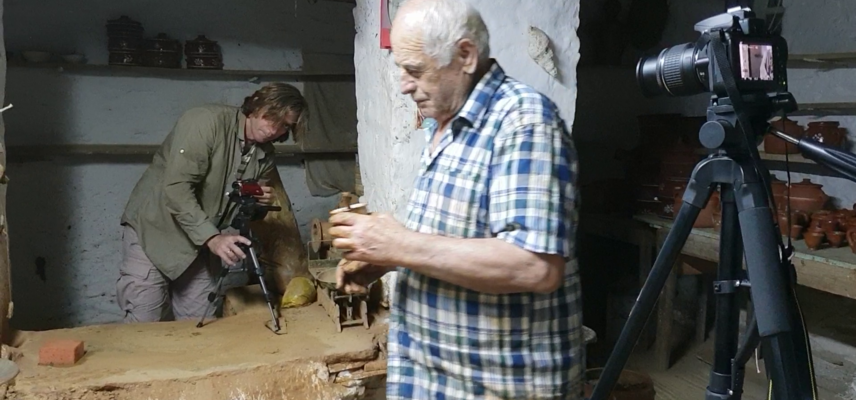
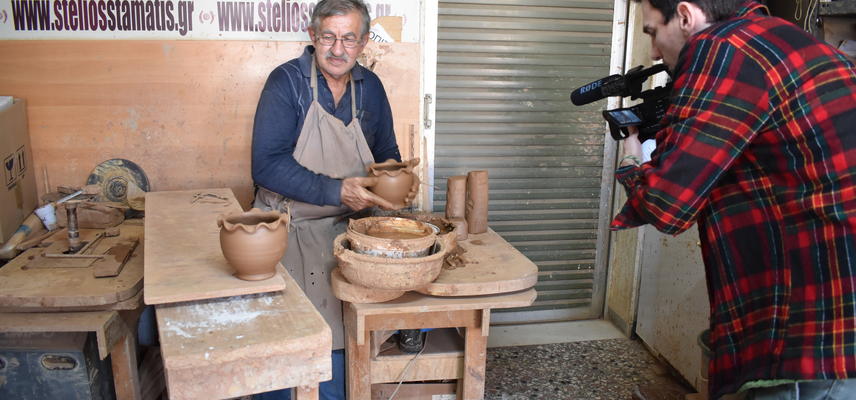
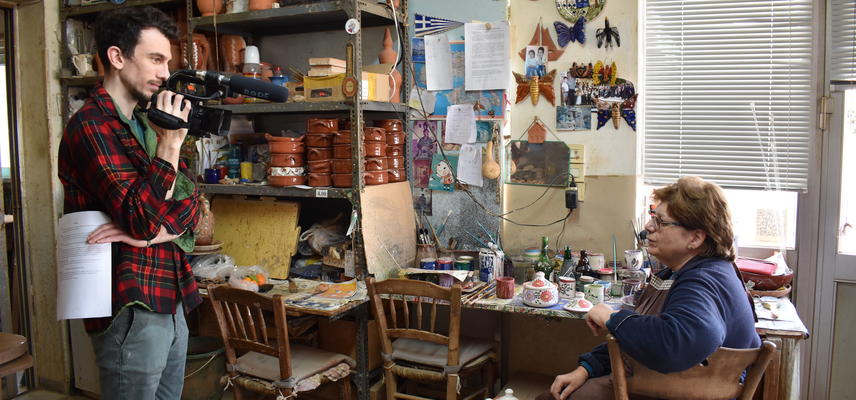
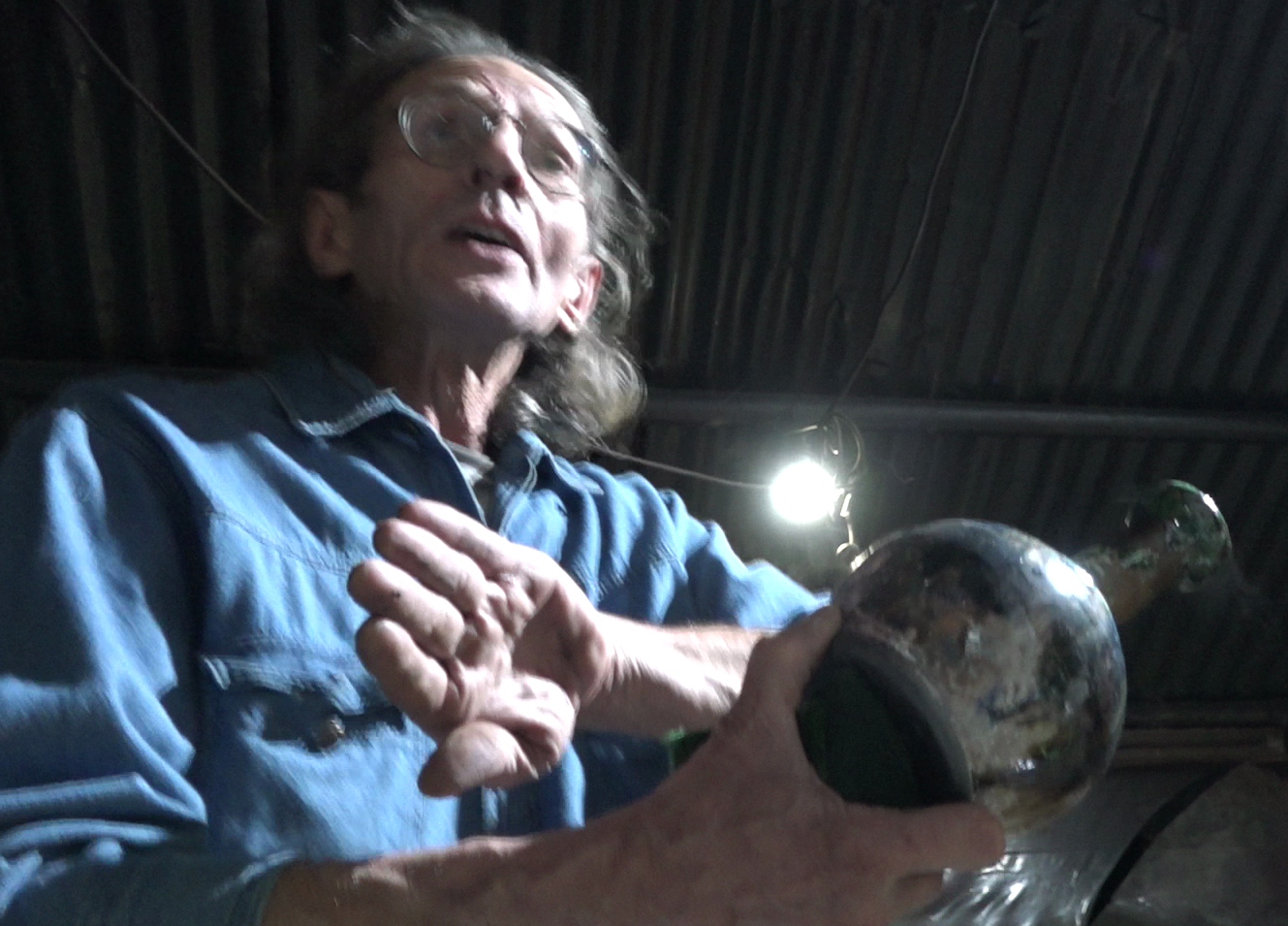
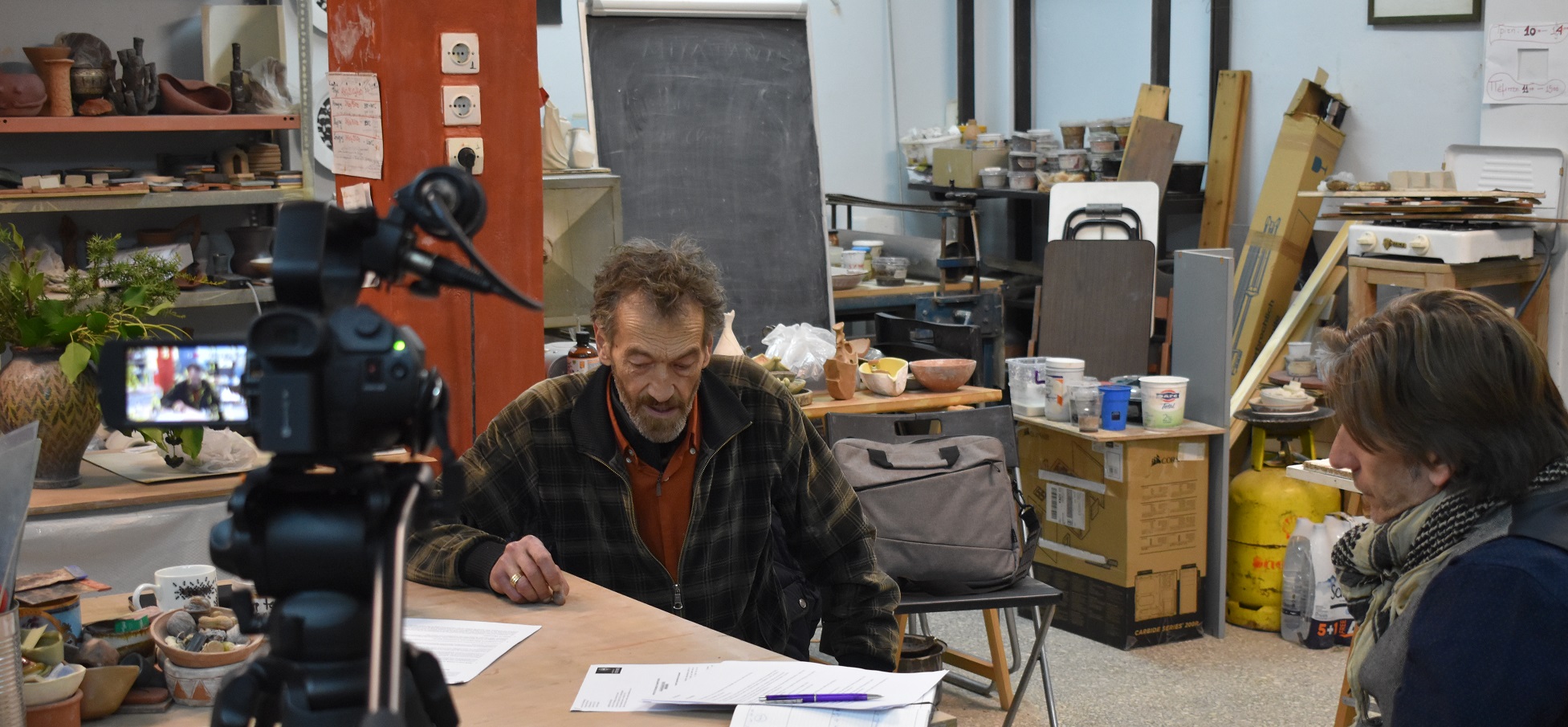
We employ phenomenological interviewing as a participatory method that allows both the interviewer and interviewee (the potter) to capture through verbal, bodily or other descriptions (e.g. drawing), experiential structures of interest (variant and invariant) relevant to specific aspects or phases of the creative process. We use open and semi-structured questionnaires because on the one hand, they facilitate reciprocity, reflexivity and improvisation (it is often the preceding answer that defines the nature of the next question) and, on the other hand, provide a sound basis for narrative analysis and comparison. Phenomenological interviewing is combined with photo and video elicitation (inserting selected photographs or edited video footage related to pre-identified events of interest into the structure of the interview). For instance, watching eye tracking videos provides a powerful medium of elicitation that enables the potters and ceramists to become aware of the exact timing and interplay between vision and touch. This combination of visual and narrative methods is especially pertinent for studying creative activities and assessing sensory experiences given that there is no interruption in the doing of the potter and that the many interesting aspects of the process are hard or even impossible to notice while the action unfolds.