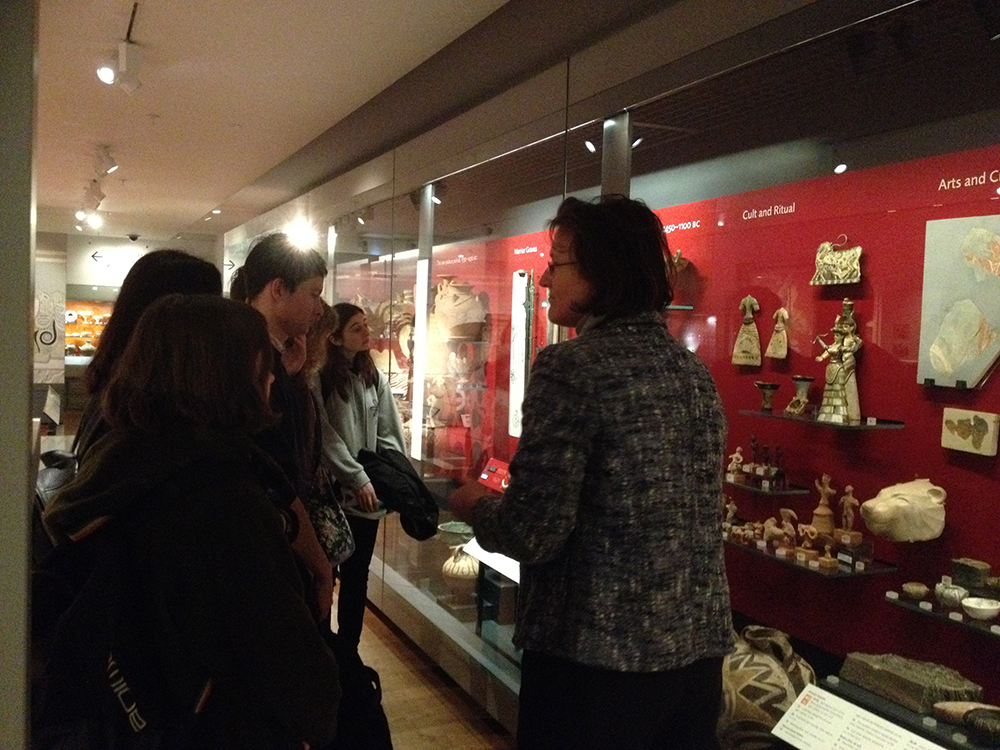
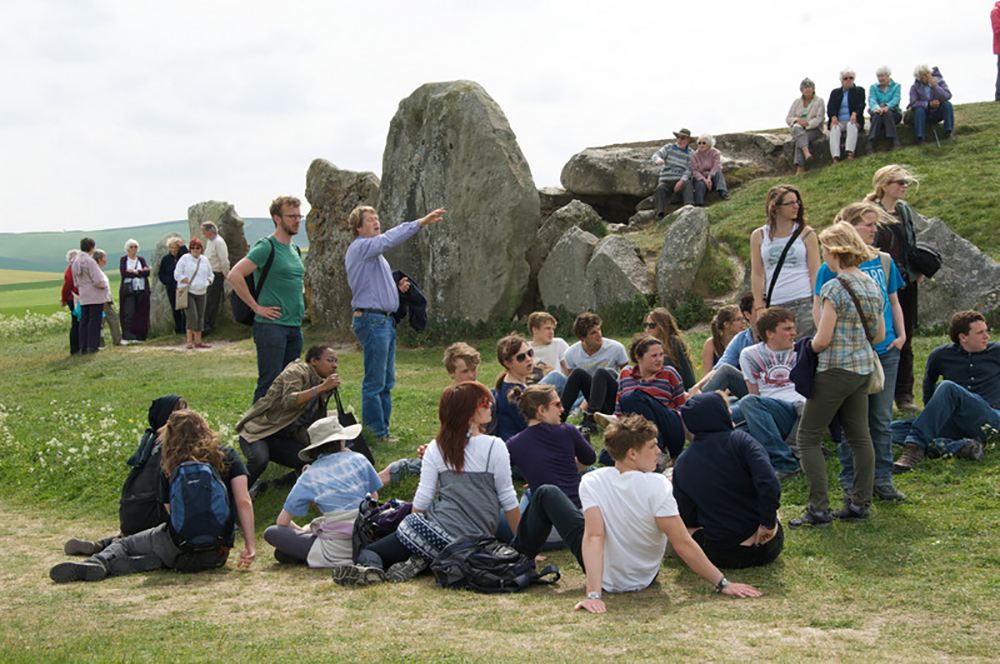
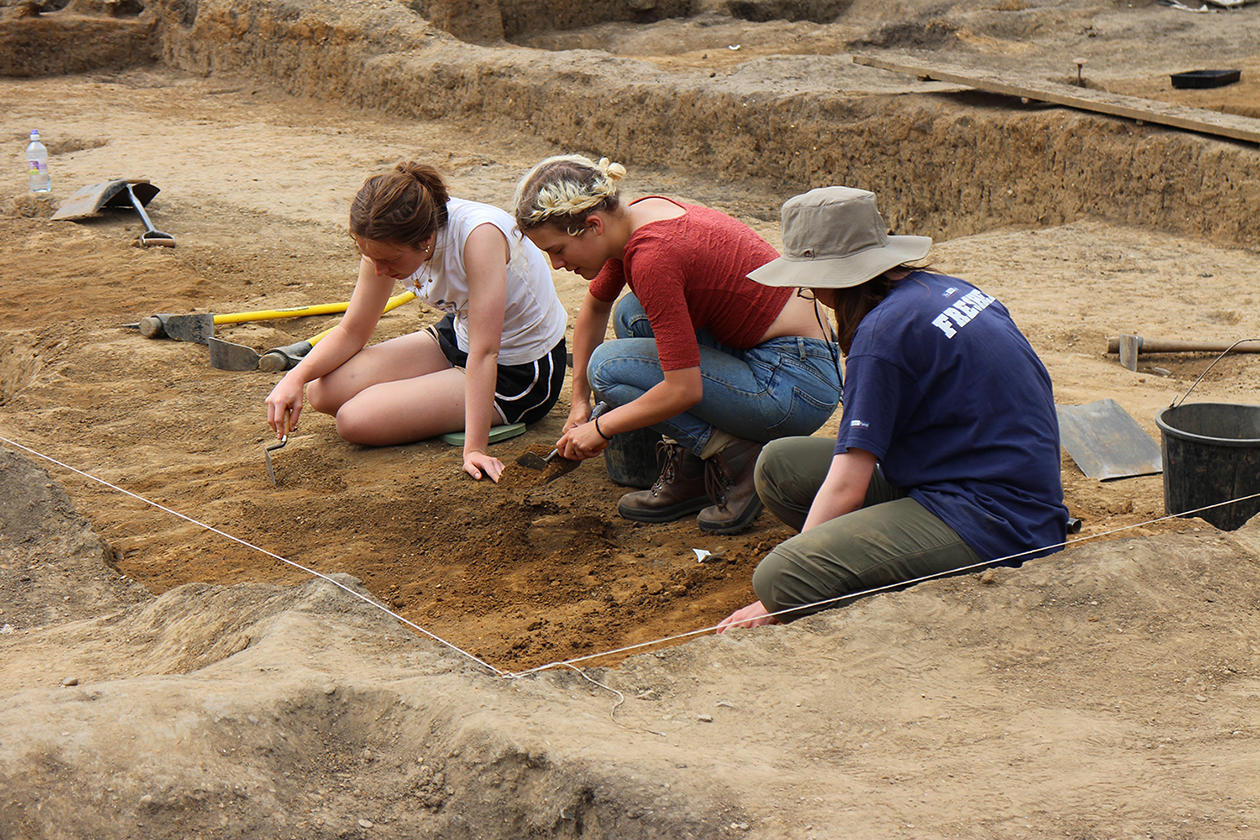
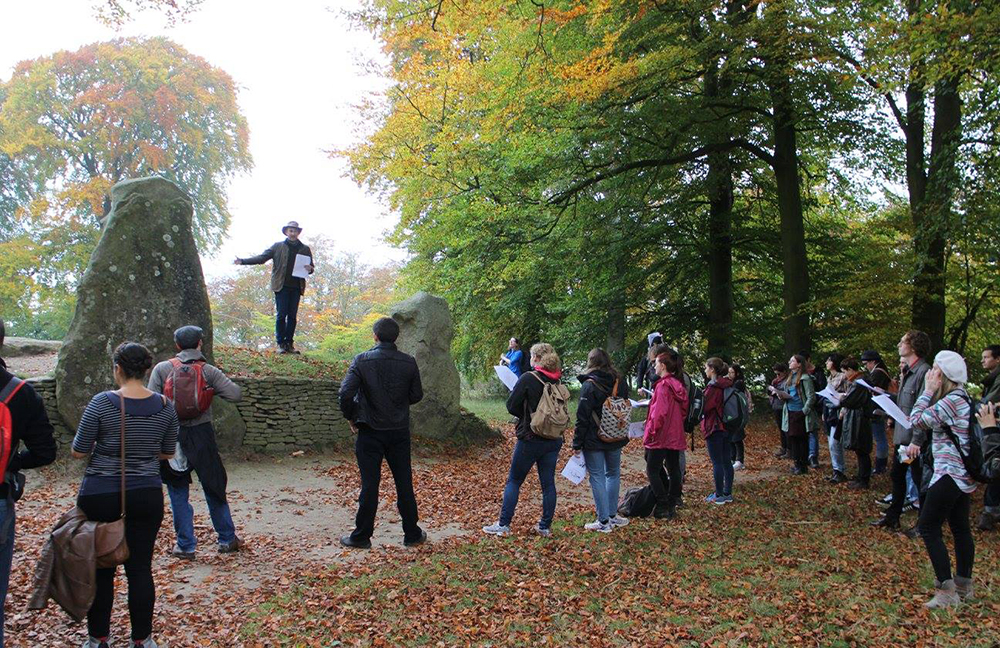
The BA in Archaeology and Anthropology offers an integrated undergraduate degree in archaeology and anthropology (social, cultural and biological), sustained over the entire three years, taking advantage of the lively centres of teaching and research which Oxford maintains in each of these complementary areas.
This course places a premium on the ability to integrate different forms of evidence in terms of a set of biological, cultural and social principles. This combines a local understanding of the complexities of individual human groups with a comprehension of their wider setting in time and space. The course has been designed to maintain a balance between these two objectives: a broad interpretative perspective and a detailed command of how particular societies work and how they use their material environment.
Its temporal scope extends from human origins in the Palaeolithic period down to modern society, and its geographical scope includes communities across the entire globe. Within this broad span, it offers multiple complementary perspectives on human diversity that include the biological study of the human species and the cultural interpretation of social and material life in its historical and comparative aspects. Whilst no single academic institution can offer an encyclopaedic study of all human cultures, the detailed understanding of a diverse range of ancient societies and more recent overseas communities offers a unique intellectual experience which is of direct relevance to understanding important aspects of the contemporary world.
Oxford offers two principal areas of expertise. One is concerned with the cultural development of the Old World, from the beginnings of complex societies in Mesopotamia and China, through the classical civilisations and their prehistoric neighbours, down to the Islamic and early medieval period. The other covers the diversity of peoples and cultures in Africa, the New World and the Pacific region, as well as the small-scale societies of Eurasia which have survived in the interstices of larger states. Their study involves a wide variety of complementary disciplines. From genetics and radiometric dating to the study of social structures and the interpretation of many forms of artistic creativity the comparative approach adopted in this course emphasises the common principles underlying these regional and temporal manifestations.